Loading page
Stainless steel 17-4 PH (H900)
17-4 PH is a martensitic precipitation-hardening stainless steel with 17% chromium, 4% nickel and 4% copper. A single low-temperature aging treatment after machining raises tensile strength to about 200 ksi (1,380 MPa) in the H900 condition, with little distortion. Corrosion resistance is comparable to 304. It is the default for high-strength stainless shafts, valve parts, aerospace fittings and MIM parts.
- UNS
- S17400
- ASTM
- A564 Type 630
- AMS
- AMS 5643 (bar, forgings)
- EN 10088
- 1.4542 (X5CrNiCuNb16-4)

How does it compare?
Typical room-temperature values for 17-4 PH, against all 48 materials in the library.
- Tensile strength
- 1379 MPa96th pct
- Yield strength
- 1275 MPa100th pct
- Density
- 7.78 g/cm³70th pct
- Max service temp
- 315 °C86th pct
- Elongation
- 14 %32th pct
- Relative cost
- $$$$$
Bars are relative to the strongest, densest or hottest material in the SSG library. Percentile vs all 48 materials.
- Density
- 7.78 g/cm³ · 0.2811 lb/in³
- Tensile strength
- 1379 MPa · 200.0 ksi
- Yield strength
- 1275 MPa · 184.9 ksi
- Elongation
- 14%
- Elastic modulus
- 196 GPa · 28.4 Msi
- Hardness
- Rockwell C44
- Max service temperature
- 315 °C · 599 °F
- Melting point
- 1404 °C · 2559 °F
- Thermal conductivity
- 17.8 W/m·K
- Machinability
- 45% of 1212 steel
When should you use 17-4 PH?
Strengths
- Tensile strength from about 145 ksi (H1150) to 200 ksi (H900) by choice of aging temperature
- Aging at 900–1,150 °F (482–621 °C) causes little distortion, so parts are machined near final first
- Corrosion resistance comparable to 304
- Available as bar, plate, forgings, MIM feedstock and AM powder
Watch for
- H900 has low impact toughness; use H1025–H1150 for impact or stress corrosion concerns
- Condition A is about 35 HRC, so machining is slow and hard on tools
- Magnetic, unlike 300-series grades
- Loses toughness with long exposure above about 600 °F (315 °C)
Typical parts
- Pump and valve shafts
- Aerospace fittings and actuator parts
- Surgical and dental instruments
- Gears and fasteners in corrosive service
- MIM parts for locks, tools and medical devices
- 3D-printed brackets and tooling
How 17-4 PH is made into parts
Cost, finishes and design rules for each process in this material.
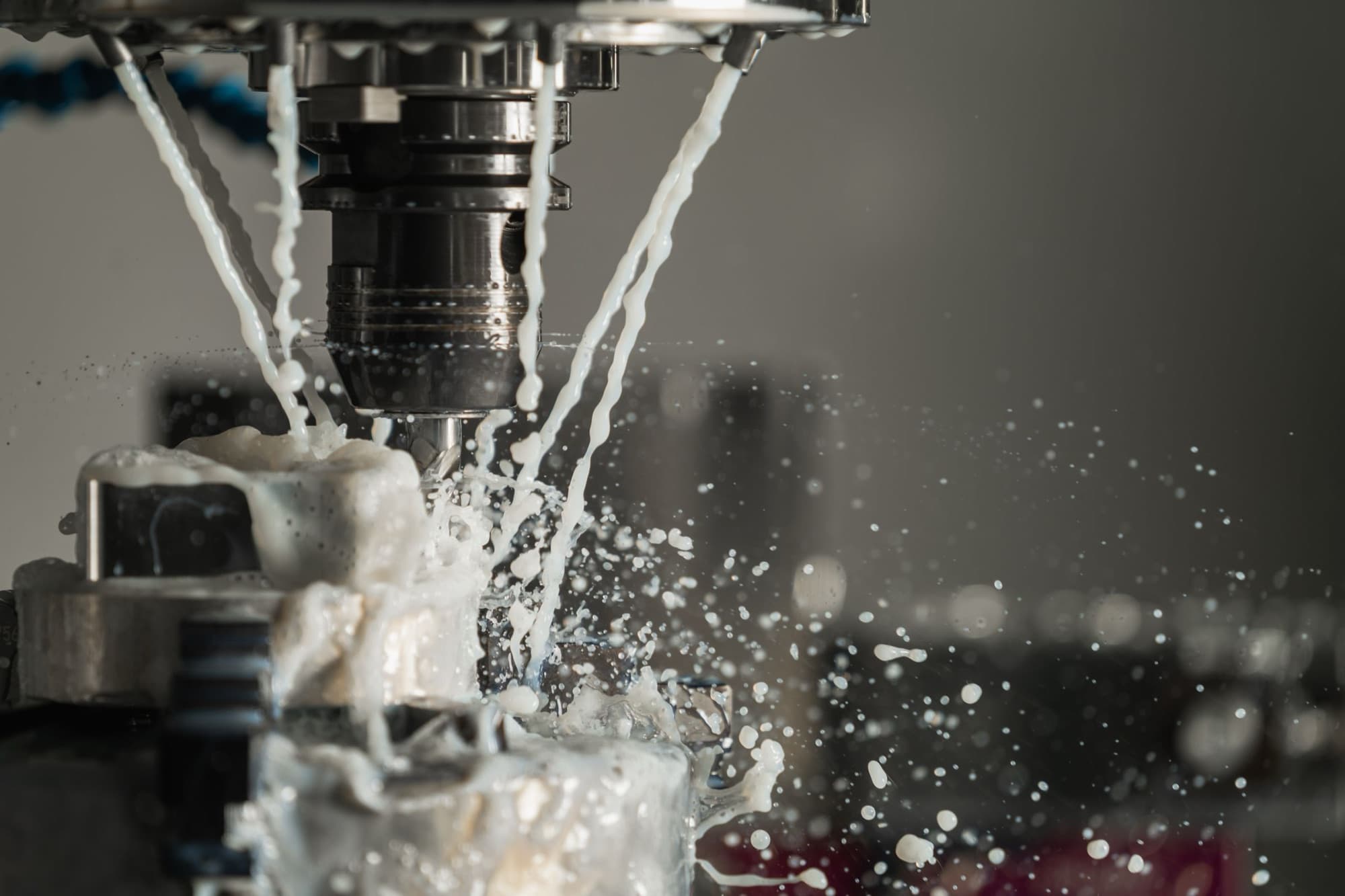 CNC machining in 17-4 PH
CNC milling, turning, and production sawing from bar, plate, castings, and forgings, from prototype to production.
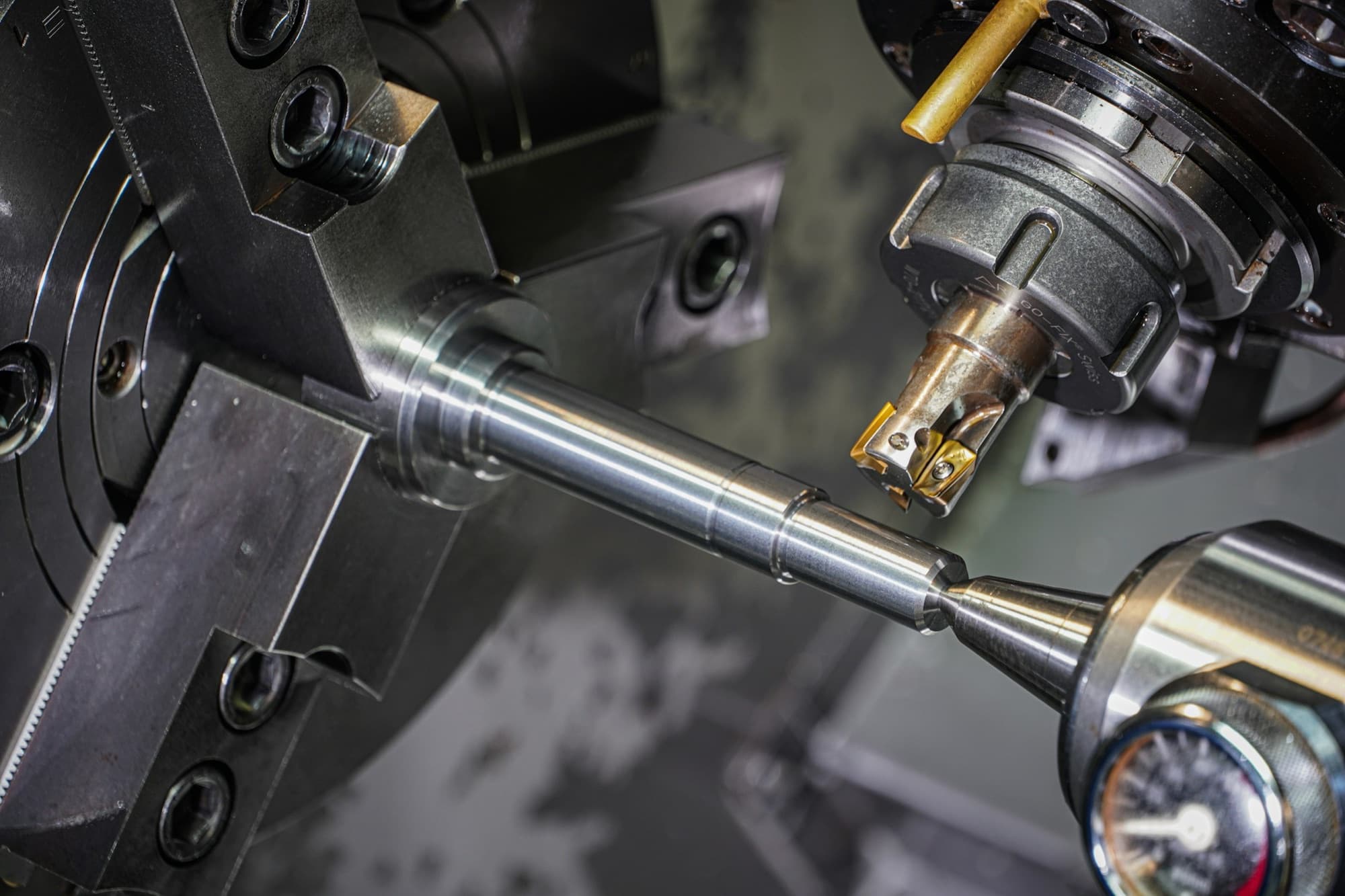 Screw machining in 17-4 PH
Turned pins, fittings, shafts, and bushings made from bar stock on multi-spindle and Swiss screw machines at volume.
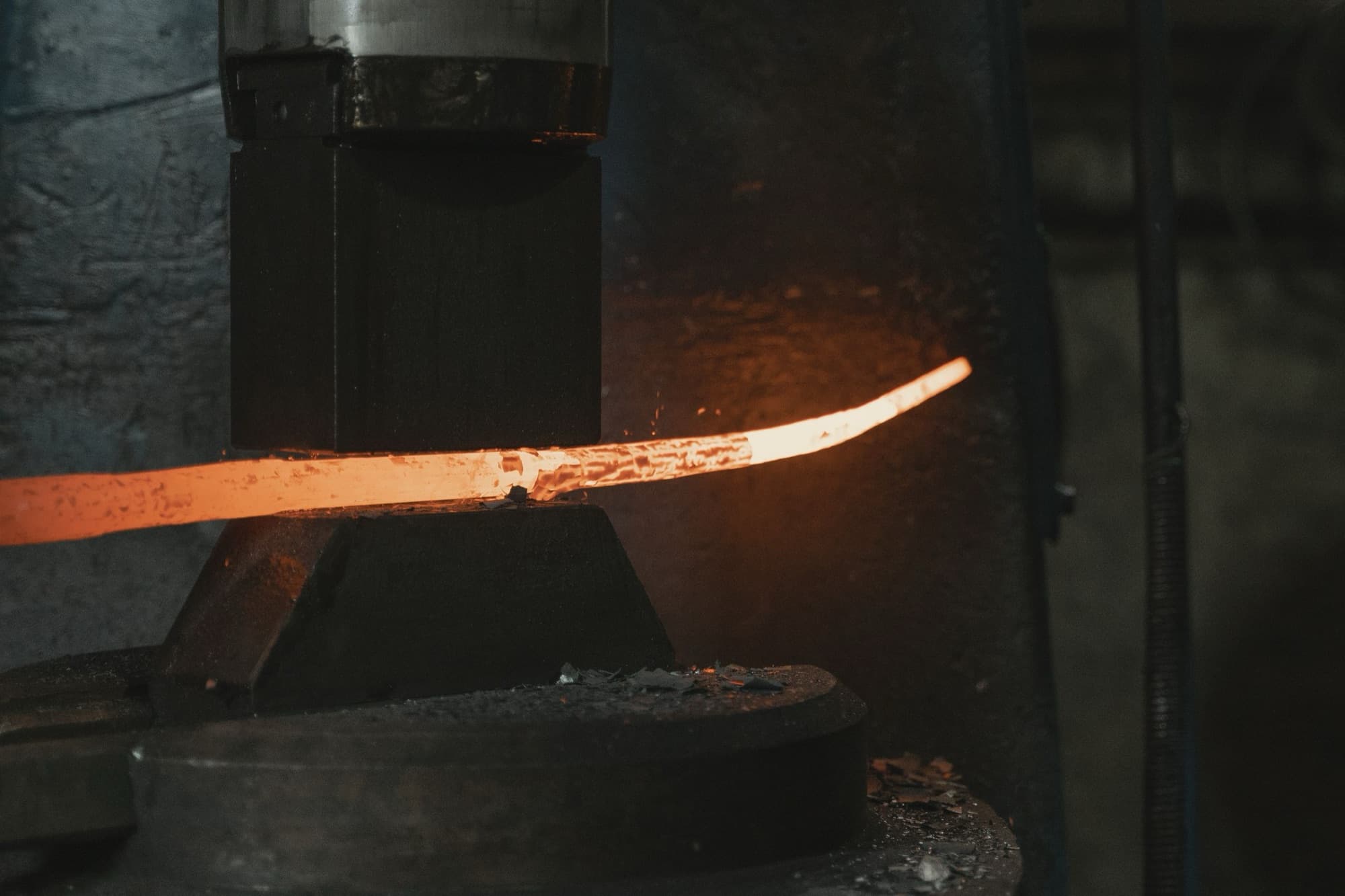 Forging in 17-4 PH
Closed-die and open-die forgings in carbon, alloy, and stainless steel and aluminum, with grain flow for strength.
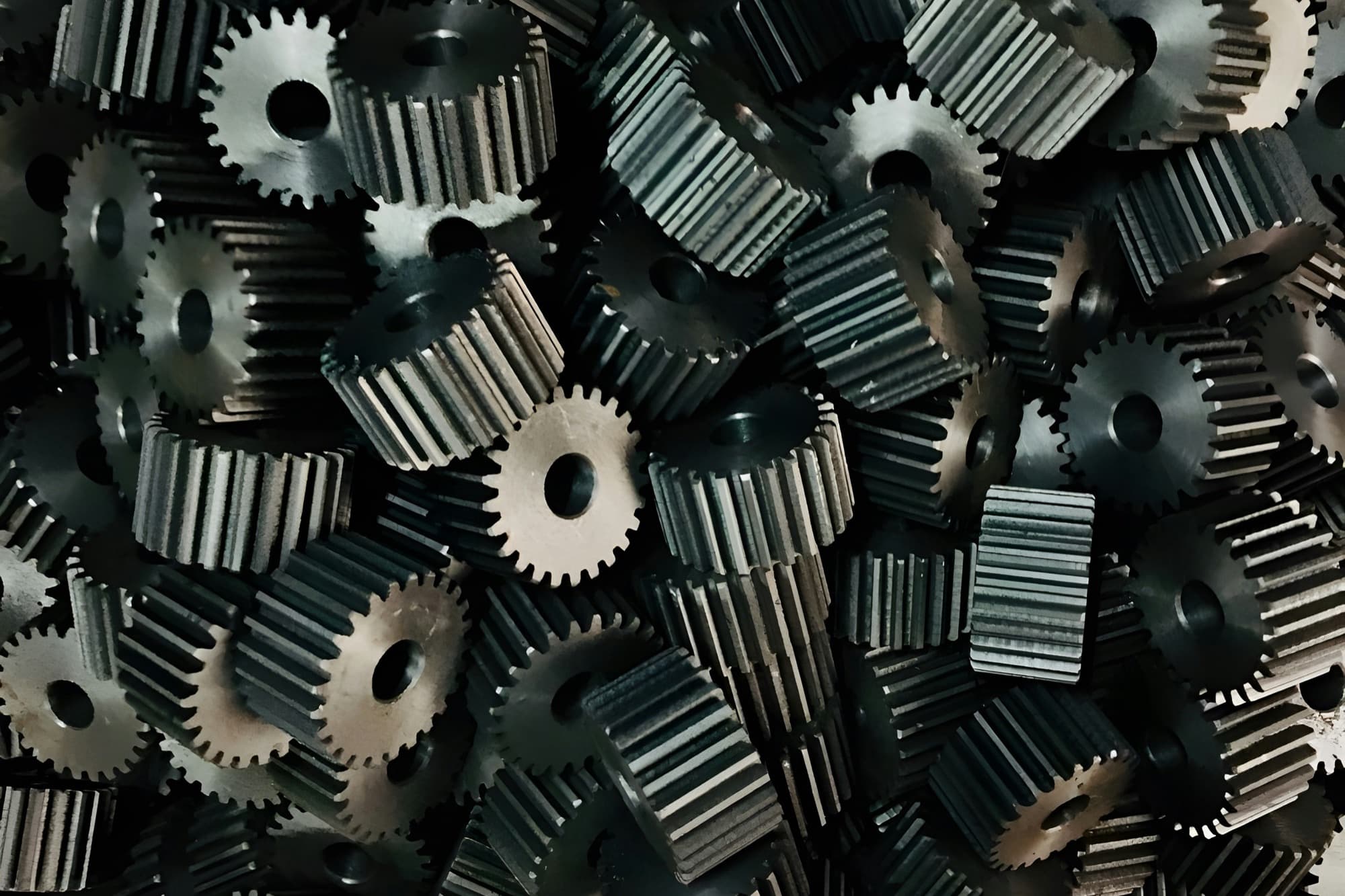 Powdered metal in 17-4 PH
Net-shape gears, bushings, and structural parts pressed from metal powder and sintered, with little or no machining.
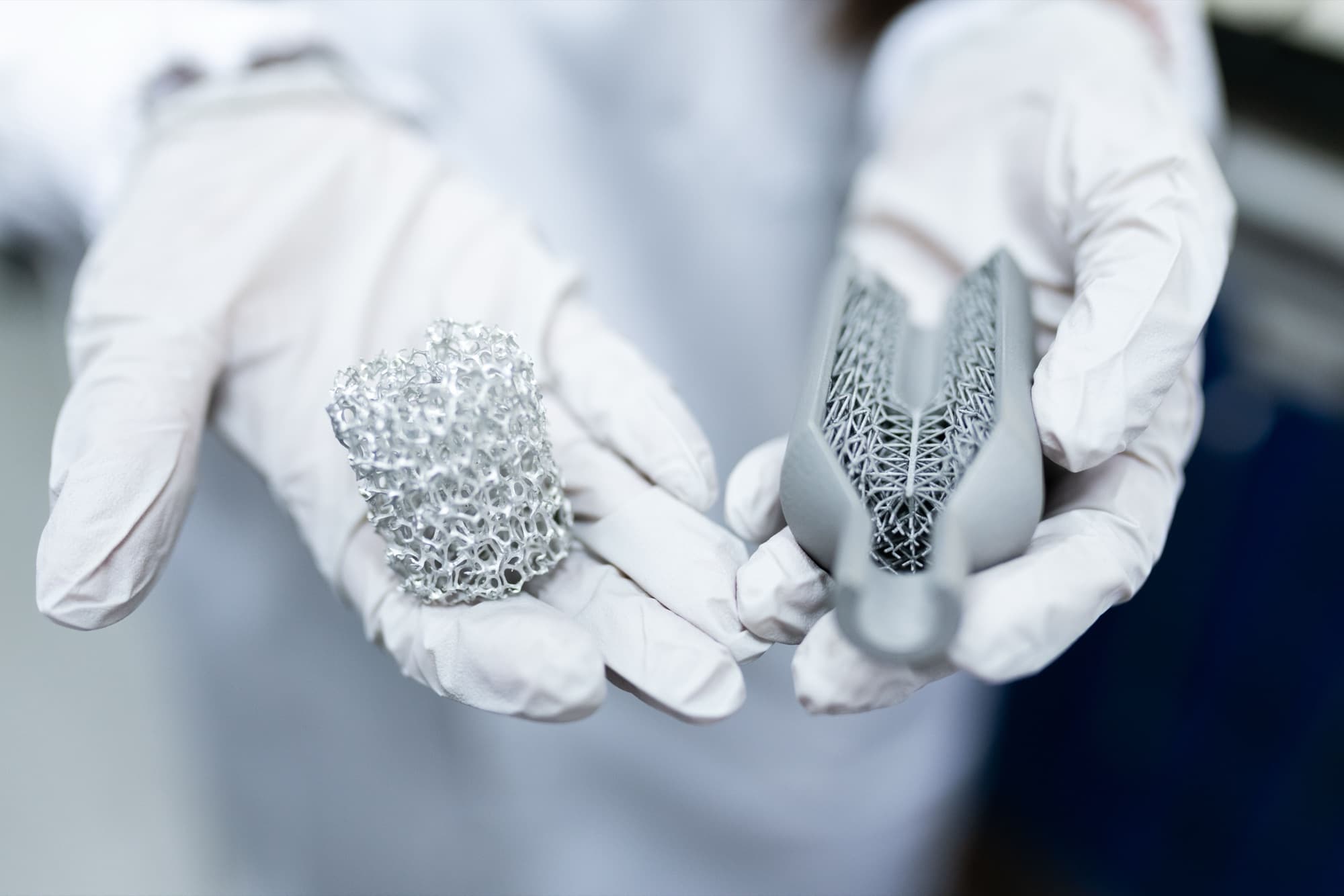 3D printing in 17-4 PH
SLS, MJF, SLA, FDM, and metal printing for prototypes, fixtures, and low-volume production parts.
What does a part in 17-4 PH cost?
A representative part, cnc machining. Raw material at about $12.00/kg is one line of it; process time and tooling usually matter more.
Plate · CNC machining
Order total $3,866
- Tooling
- None
- no hard tooling
- Piece price
- $66.60
- before setup + tooling
- Lead time
- 5–10 days
- to first production
Size
Drag a row to adjust · click to type
Length120120 mm
Width80.080.0 mm
Thickness6.006.00 mm
Quantity
Price per part falls as volume rises
Exact quantity5050 pcs
Material
Design checks pass
Open in builderBudgetary estimate for a representative part. Firm quotes come from principals after drawing review.


17-4 PH questions
What is the difference between H900 and H1150?
The number is the aging temperature in °F. H900 (1 hour at 900 °F / 482 °C) gives peak strength, about 200 ksi (1,380 MPa) and 44 HRC, with lower toughness. H1150 (4 hours at 1,150 °F / 621 °C) gives about 145 ksi (1,000 MPa) and 33 HRC with much better toughness and stress corrosion resistance. H1025 is a common middle ground.
Is 17-4 PH magnetic?
Yes. It is martensitic, so it is magnetic in all conditions.
17-4 PH vs 316 stainless?
17-4 PH is roughly two to three times stronger (145–200 ksi vs 84 ksi tensile) and can be hardened. 316 has better corrosion resistance in chlorides and is non-magnetic. Use 17-4 PH for strength, 316 for severe corrosion.
Should 17-4 PH be machined before or after heat treatment?
Usually machine in Condition A or H1150, then age to the final condition. Aging to H900 shrinks parts slightly, about 0.0004–0.0006 in/in, and leaves a light oxide that passivation or light polishing removes.
Similar materials


Quote it in 17-4 PH.
Upload CAD or start from a template. The builder prices it in this material and the alternatives.