Loading page
Stainless steel 316
316 is an austenitic stainless steel with 16–18% chromium, 10–14% nickel and 2–3% molybdenum. The molybdenum gives it much better pitting and crevice corrosion resistance than 304 in salt water, de-icing salts and many process chemicals. Typical annealed tensile strength is 84 ksi (580 MPa). It costs about a third more than 304 and machines slightly slower.
- UNS
- S31600 (316L: S31603)
- ASTM
- A240 (plate, sheet) / A276 (bar)
- EN 10088
- 1.4401 (X5CrNiMo17-12-2)
- JIS
- SUS316

How does it compare?
Typical room-temperature values for 316 SS, against all 48 materials in the library.
- Tensile strength
- 580 MPa82th pct
- Yield strength
- 290 MPa55th pct
- Density
- 8 g/cm³89th pct
- Max service temp
- 925 °C97th pct
- Elongation
- 50 %70th pct
- Relative cost
- $$$$$
Bars are relative to the strongest, densest or hottest material in the SSG library. Percentile vs all 48 materials.
- Density
- 8 g/cm³ · 0.2890 lb/in³
- Tensile strength
- 580 MPa · 84.1 ksi
- Yield strength
- 290 MPa · 42.1 ksi
- Elongation
- 50%
- Elastic modulus
- 193 GPa · 28.0 Msi
- Hardness
- Rockwell B80
- Max service temperature
- 925 °C · 1697 °F
- Melting point
- 1375 °C · 2507 °F
- Thermal conductivity
- 16.3 W/m·K
- Machinability
- 36% of 1212 steel
When should you use 316 SS?
Strengths
- Pitting resistance equivalent number (PREN) of about 24, versus about 19 for 304
- Standard for marine hardware, pharmaceutical and food processing equipment
- 316L variant welds without sensitization
- Better strength and creep resistance than 304 at high temperature
Watch for
- Still pits in warm seawater and tight crevices; use duplex 2205 or super-austenitic grades
- About 36% machinability; work-hardens
- Costs about one-third more than 304
- Galls in threaded and sliding contact
Typical parts
- Marine fittings and boat hardware
- Pharmaceutical and food processing equipment
- Chemical pump and valve parts
- Coastal architectural hardware
- Medical instruments (non-implant)
- Water treatment components
How 316 SS is made into parts
Cost, finishes and design rules for each process in this material.
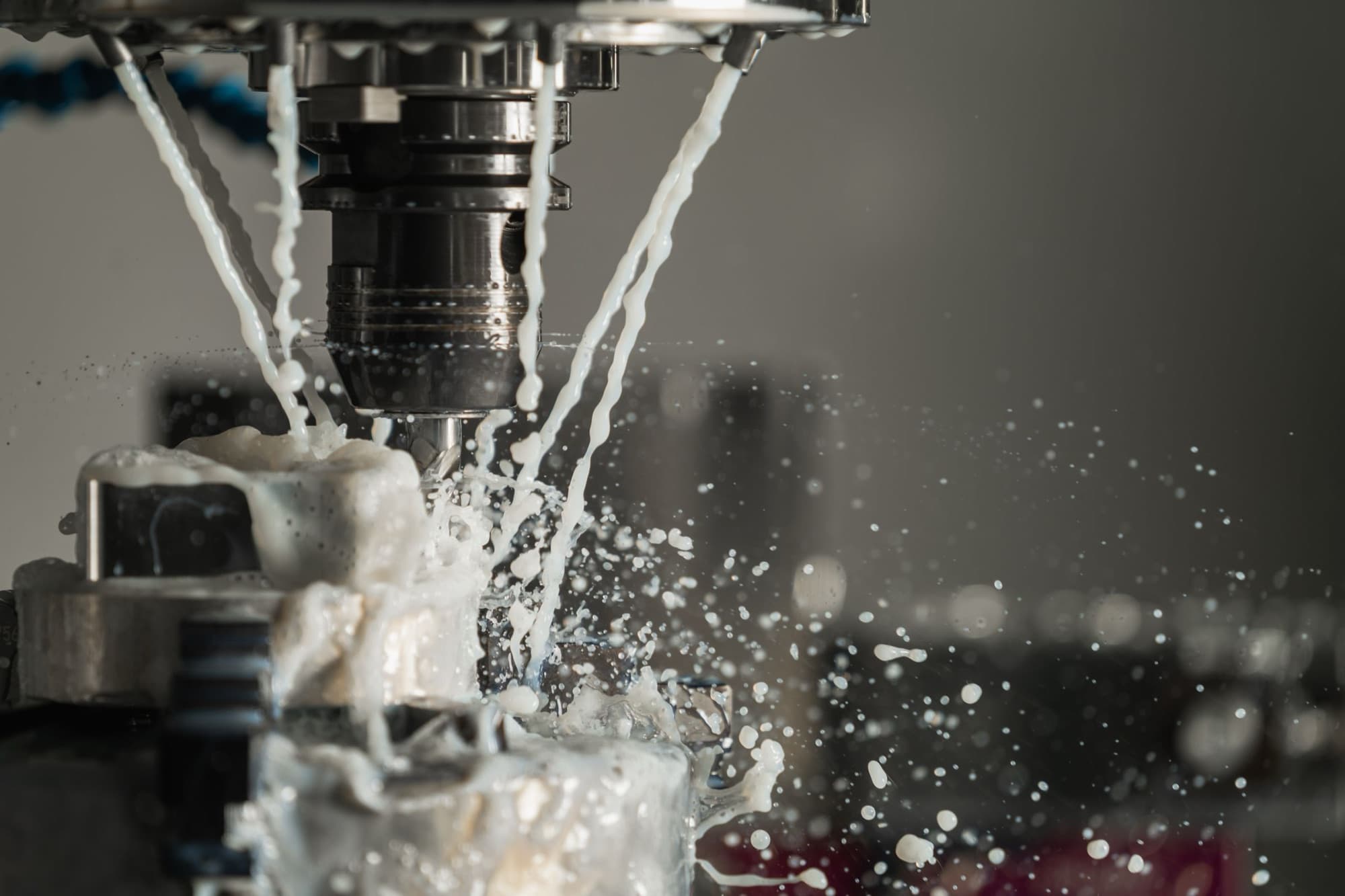 CNC machining in 316 SS
CNC milling, turning, and production sawing from bar, plate, castings, and forgings, from prototype to production.
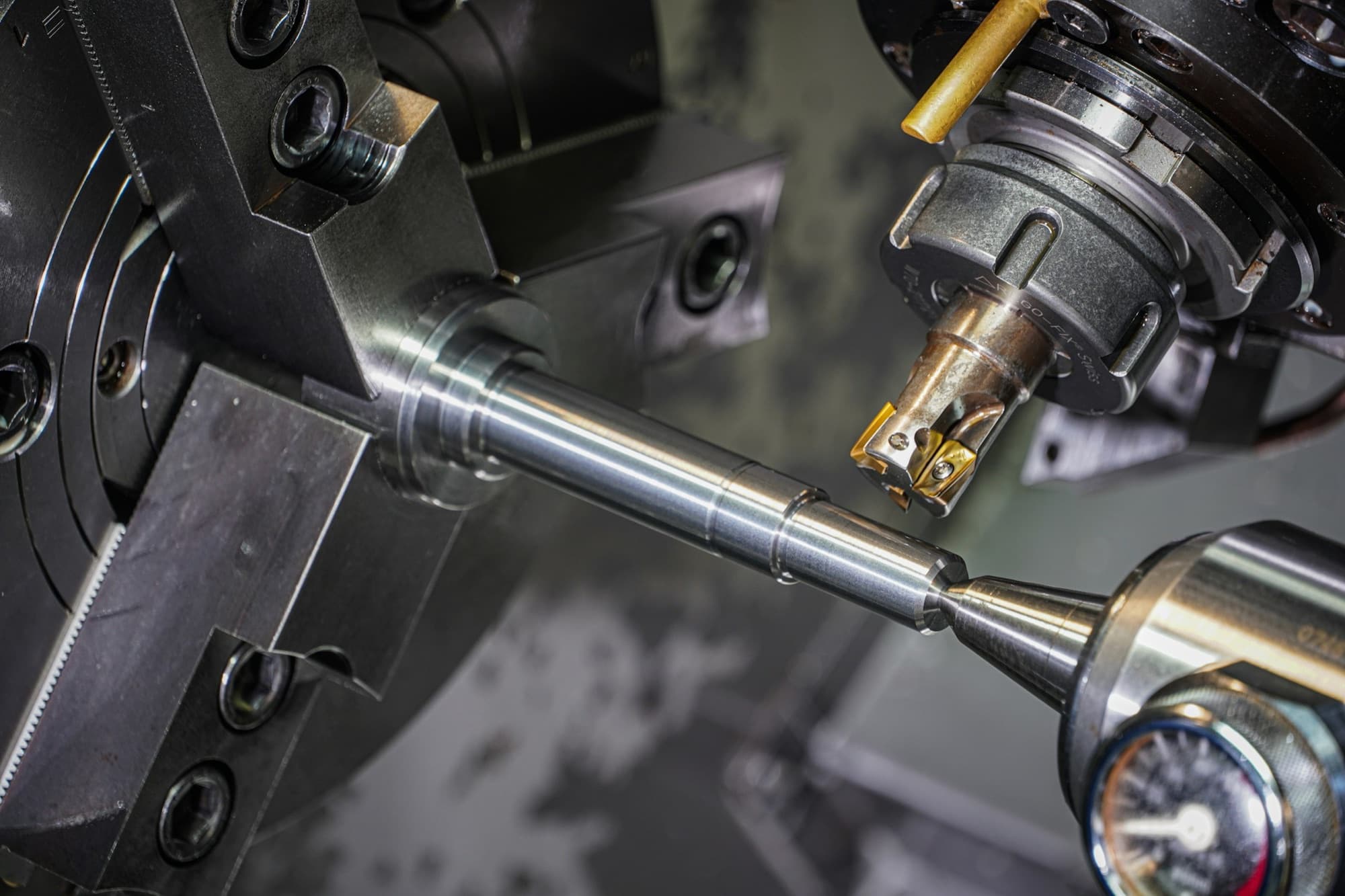 Screw machining in 316 SS
Turned pins, fittings, shafts, and bushings made from bar stock on multi-spindle and Swiss screw machines at volume.
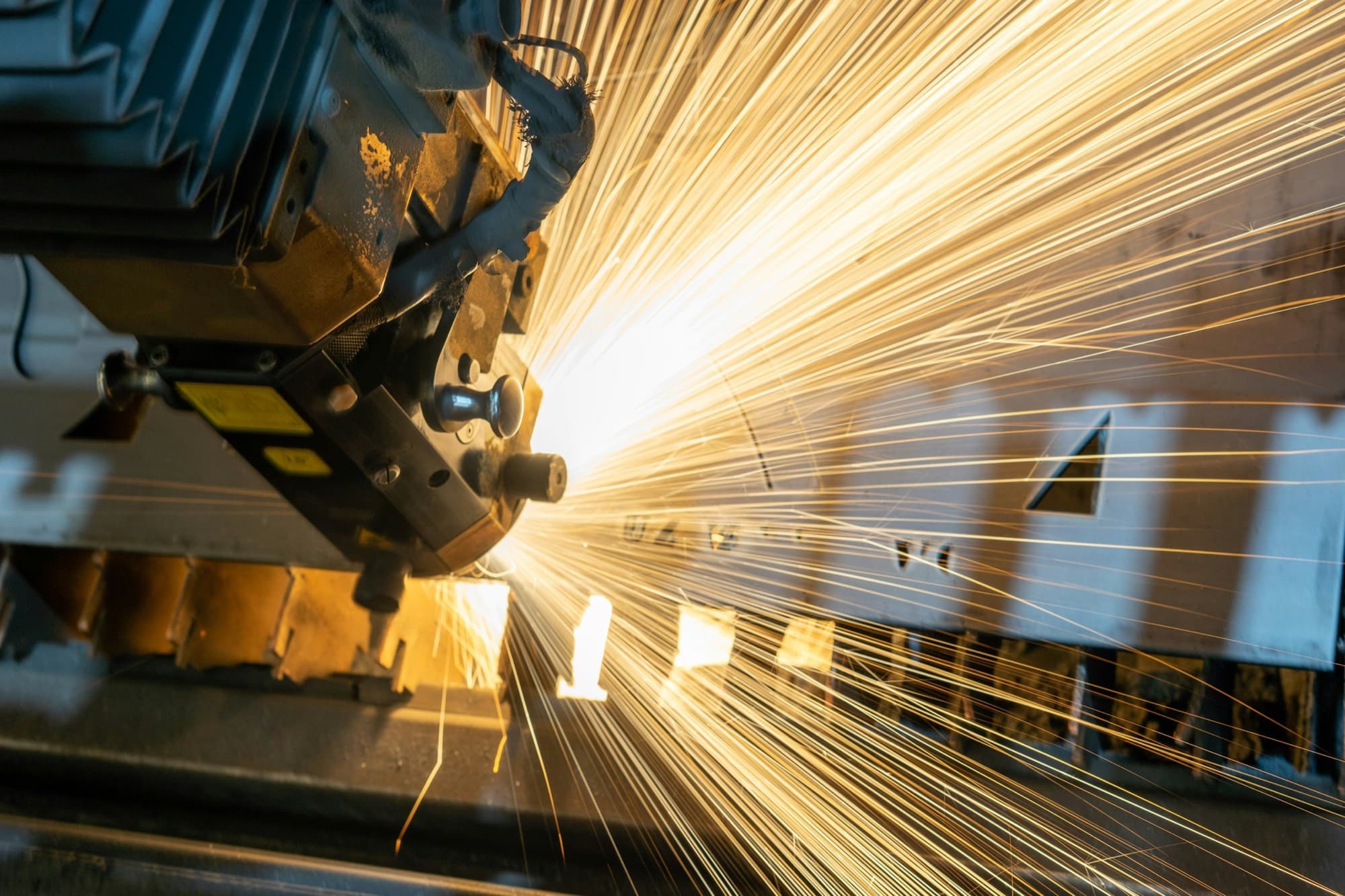 Sheet metal in 316 SS
Laser-cut, punched, bent, and welded sheet metal enclosures, brackets, and chassis with no hard tooling.
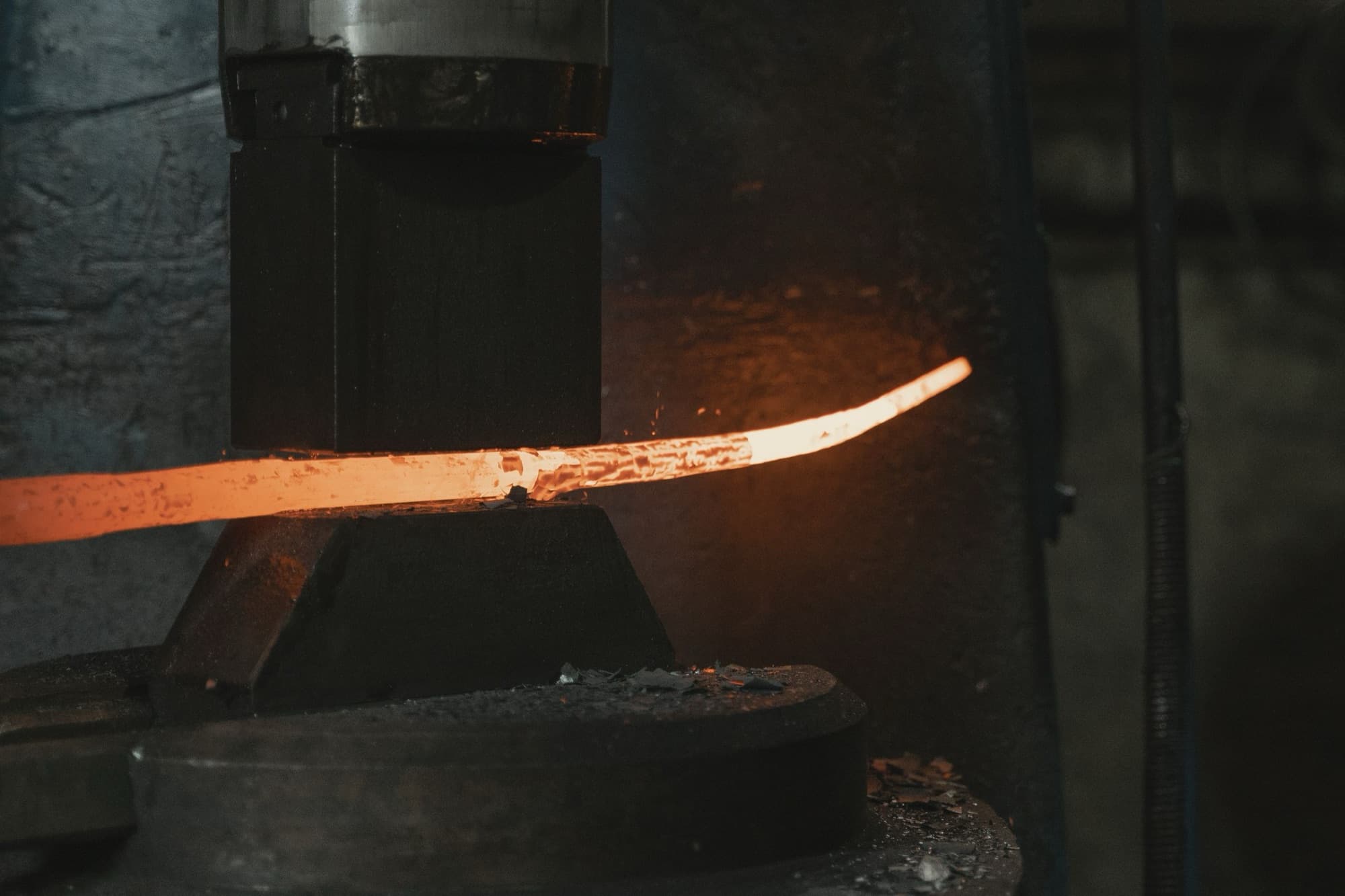 Forging in 316 SS
Closed-die and open-die forgings in carbon, alloy, and stainless steel and aluminum, with grain flow for strength.
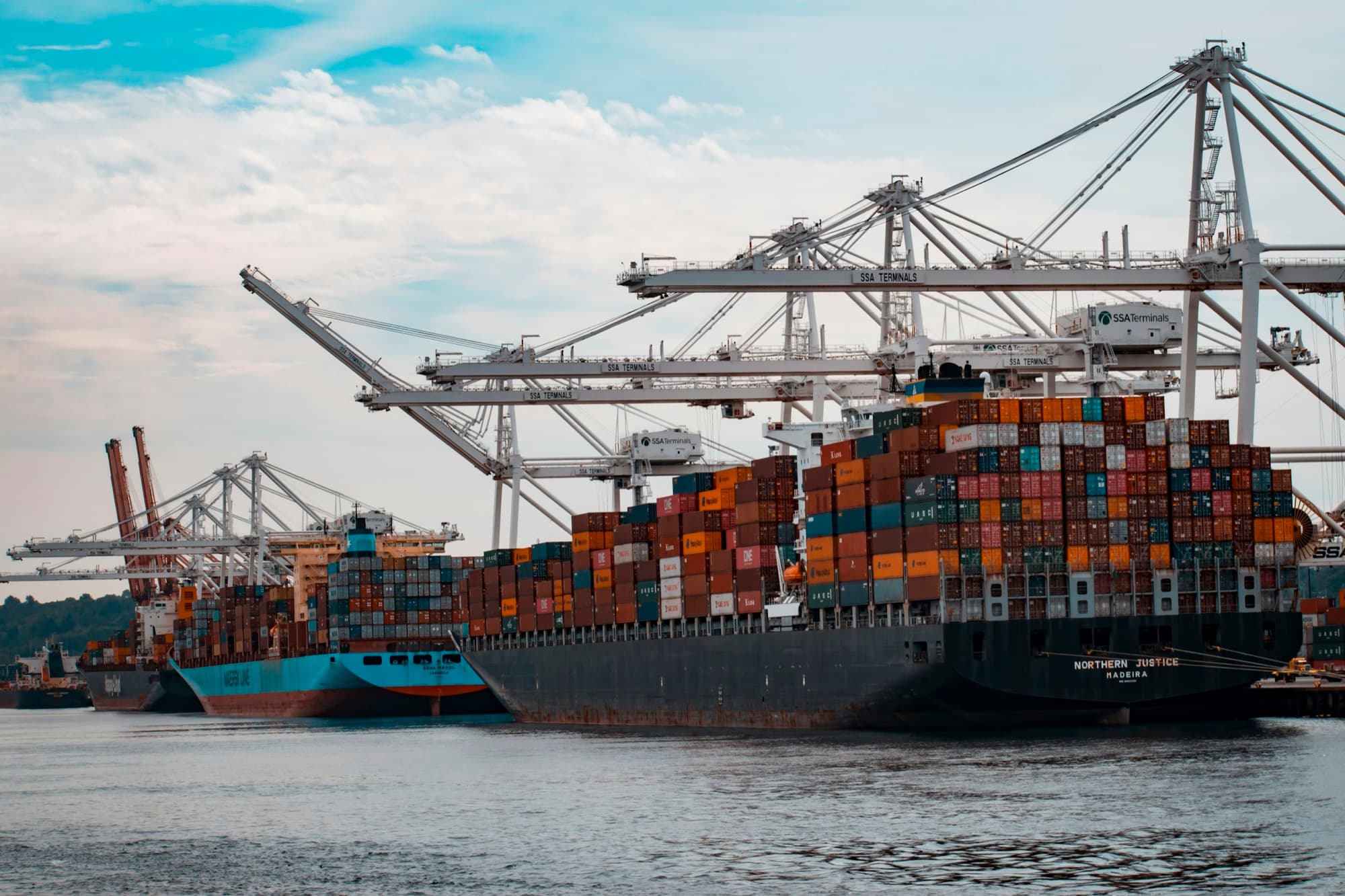 Offshore sourcing in 316 SS
Parts made by vetted overseas manufacturers, with landed-cost analysis, quality control, and logistics managed.
What does a part in 316 SS cost?
A representative part, cnc machining. Raw material at about $8.00/kg is one line of it; process time and tooling usually matter more.
Plate · CNC machining
Order total $3,671
- Tooling
- None
- no hard tooling
- Piece price
- $62.70
- before setup + tooling
- Lead time
- 5–10 days
- to first production
Size
Drag a row to adjust · click to type
Length120120 mm
Width80.080.0 mm
Thickness6.006.00 mm
Quantity
Price per part falls as volume rises
Exact quantity5050 pcs
Material
Design checks pass
Open in builderBudgetary estimate for a representative part. Firm quotes come from principals after drawing review.


Compared head to head
316 SS questions
Is 316 stainless marine grade?
It is the common marine grade for fittings, rails and hardware above the waterline. In continuous warm seawater immersion and tight crevices, 316 can still pit; duplex 2205 or super-austenitic grades are the better call there.
316 vs 316L?
316L caps carbon at 0.03% versus 0.08% to prevent sensitization during welding, with slightly lower strength. Most mill stock is dual-certified 316/316L, so specify 316L for welded parts.
Is 316 stainless magnetic?
Annealed 316 is non-magnetic, and its higher nickel keeps it less magnetic than 304 after cold work. Welds can read slightly magnetic because of ferrite in the weld metal.
Is 316 stainless used for medical implants?
Implants use 316LVM, vacuum melted to ASTM F138 or F139, not standard 316. Standard 316 and 316L are common for instruments, trays and equipment.
Similar materials


Quote it in 316 SS.
Upload CAD or start from a template. The builder prices it in this material and the alternatives.