Loading page
Steel 4140 (annealed)
4140 is a chromium-molybdenum alloy steel with 0.38–0.43% carbon. Annealed bar runs about 95 ksi (655 MPa) tensile and machines well. Quench and temper takes it to 28–50 HRC with good toughness through thick sections. Pre-hardened 4140 at 28–32 HRC is common for parts machined complete with no heat treat. It is the standard alloy for shafts, gears, tooling and forgings.
- UNS
- G41400
- ASTM
- A29 / A322 4140
- EN 10083-3
- 42CrMo4 (1.7225)
- JIS
- SCM440

How does it compare?
Typical room-temperature values for 4140, against all 48 materials in the library.
- Tensile strength
- 655 MPa89th pct
- Yield strength
- 415 MPa75th pct
- Density
- 7.85 g/cm³72th pct
- Elongation
- 25.7 %57th pct
- Relative cost
- $$$$$
Bars are relative to the strongest, densest or hottest material in the SSG library. Percentile vs all 48 materials.
- Density
- 7.85 g/cm³ · 0.2836 lb/in³
- Tensile strength
- 655 MPa · 95.0 ksi
- Yield strength
- 415 MPa · 60.2 ksi
- Elongation
- 25.7%
- Elastic modulus
- 205 GPa · 29.7 Msi
- Hardness
- 197 HB
- Melting point
- 1416 °C · 2581 °F
- Thermal conductivity
- 42.6 W/m·K
- Machinability
- 65% of 1212 steel
When should you use 4140?
Strengths
- Deep hardenability: quench and temper to 28–50 HRC in sections of 2–3 in (50–75 mm)
- High fatigue strength and toughness after heat treat
- Pre-hard 28–32 HRC stock eliminates heat treat for many parts
- Nitrides well for a hard, wear-resistant surface with little distortion
- Forges well for high-strength closed-die parts
Watch for
- Welding requires preheat around 400–600 °F (200–315 °C) and post-weld stress relief
- Costs about 30% more than 1045
- Plated parts at 31 HRC or harder need hydrogen embrittlement relief baking per ASTM B850
- Machining above about 35 HRC is slow; rough before hardening
Typical parts
- Drive shafts and axles
- Gears, sprockets and couplings
- Forged crankshafts and connecting rods
- Hydraulic cylinder components
- Tool holders, die shoes and fixture parts
- High-strength bolts and studs
How 4140 is made into parts
Cost, finishes and design rules for each process in this material.
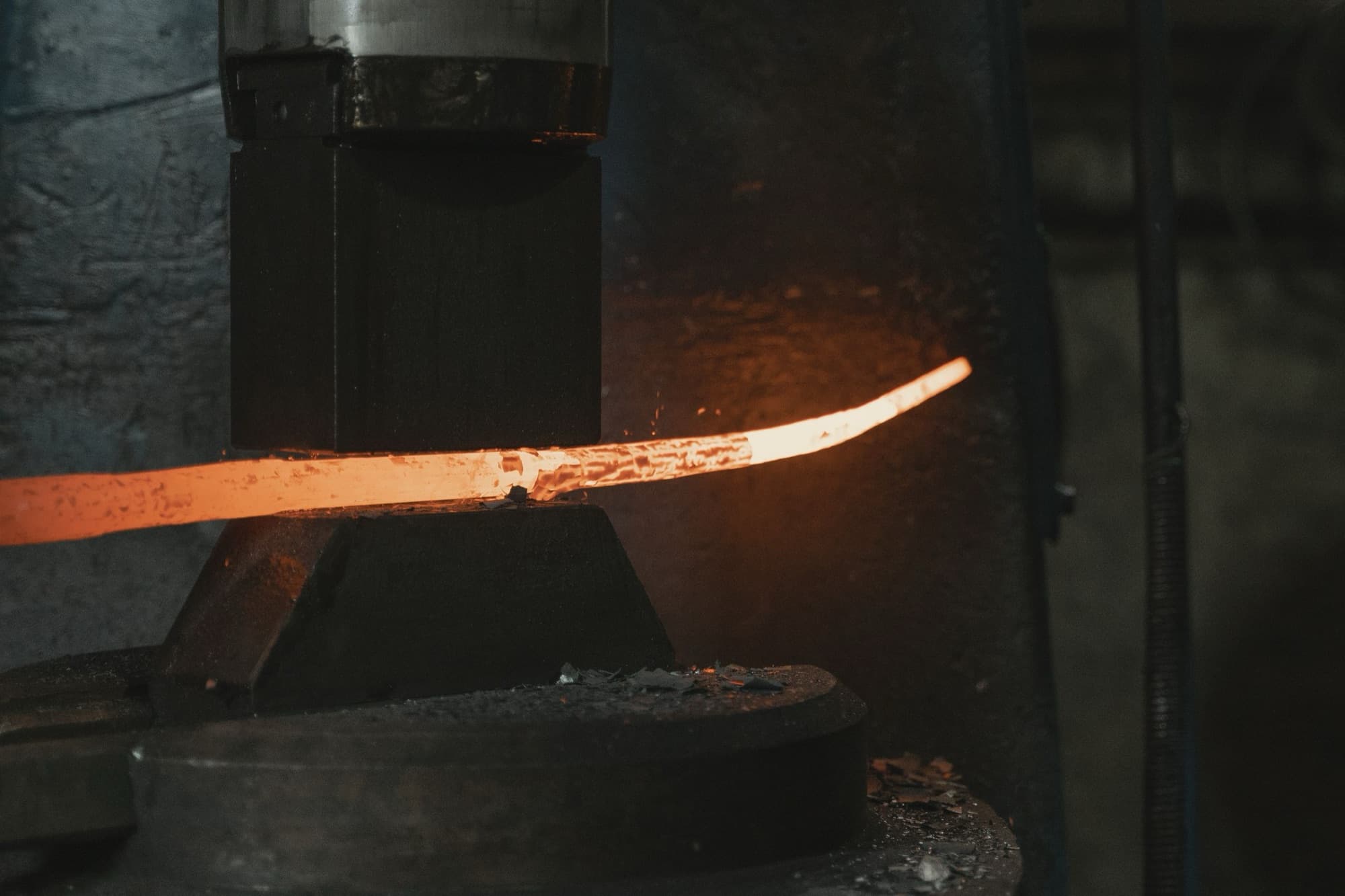 Forging in 4140
Closed-die and open-die forgings in carbon, alloy, and stainless steel and aluminum, with grain flow for strength.
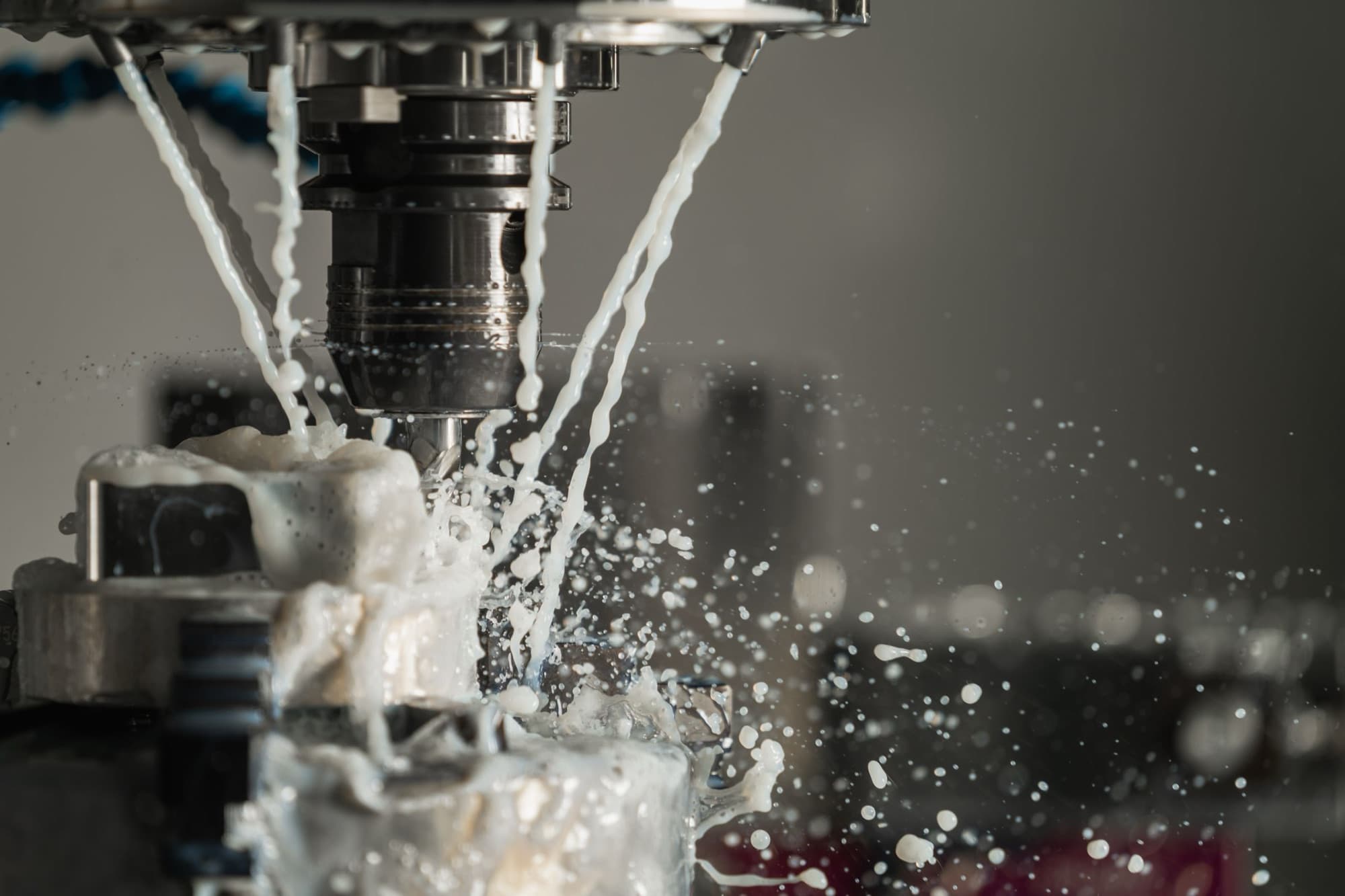 CNC machining in 4140
CNC milling, turning, and production sawing from bar, plate, castings, and forgings, from prototype to production.
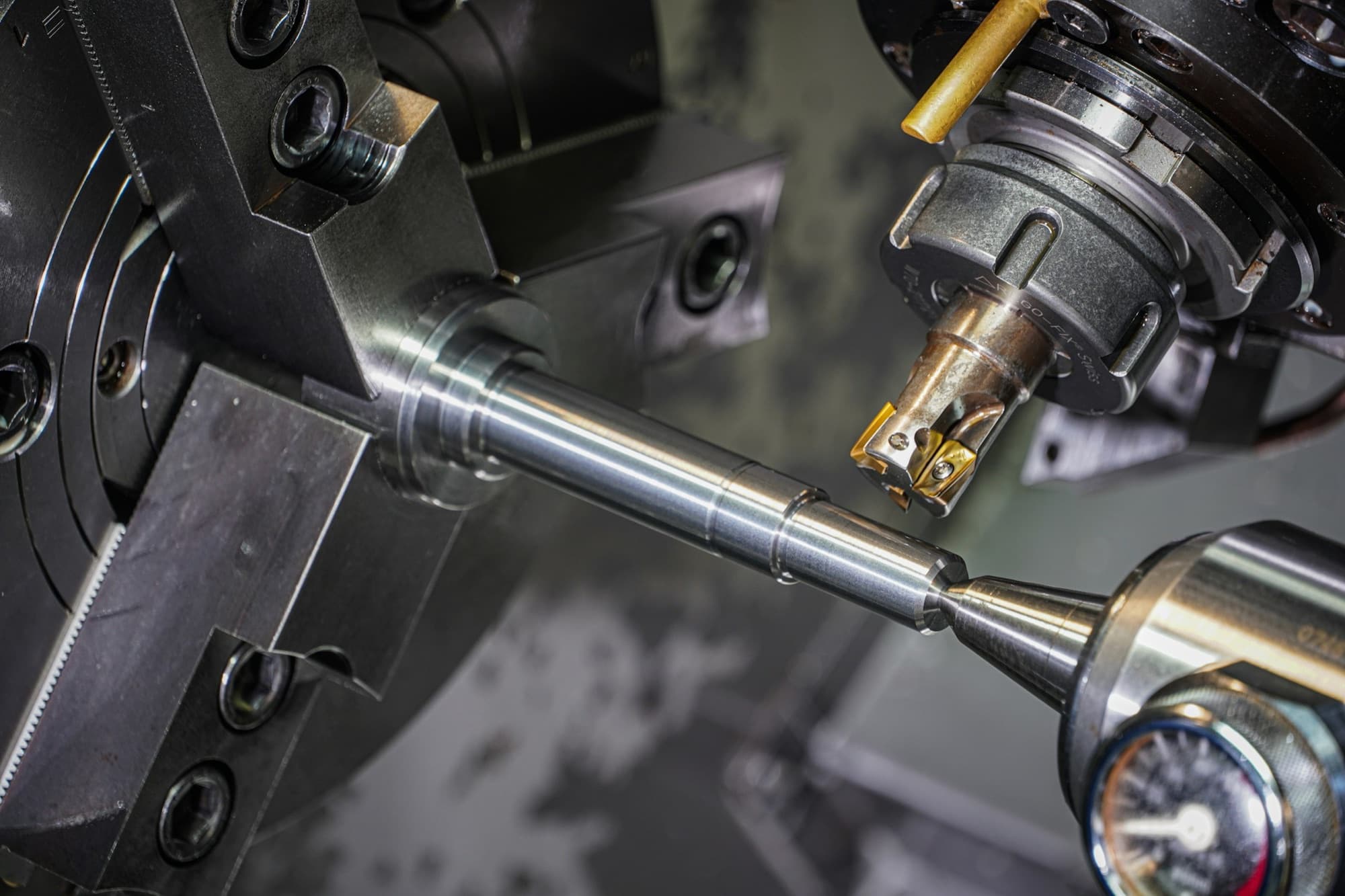 Screw machining in 4140
Turned pins, fittings, shafts, and bushings made from bar stock on multi-spindle and Swiss screw machines at volume.
 Offshore sourcing in 4140
Parts made by vetted overseas manufacturers, with landed-cost analysis, quality control, and logistics managed.
What does a part in 4140 cost?
A representative part, forging. Raw material at about $3.20/kg is one line of it; process time and tooling usually matter more.
Flanged bushing · Forging
Order total $15,070
- Tooling
- $9,336
- one-time, spread over the order
- Piece price
- $2.01
- before setup + tooling
- Lead time
- 8–12 weeks
- to first production
Size
Drag a row to adjust · click to type
Body OD22.022.0 mm
Overall height18.018.0 mm
Flange OD34.034.0 mm
Quantity
Price per part falls as volume rises
Exact quantity25002500 pcs
Material
Steel 4140 (annealed)
Design checks pass
Open in builderBudgetary estimate for a representative part. Firm quotes come from principals after drawing review.


Compared head to head
4140 questions
What is 4140 pre-hard?
Pre-hard 4140 is bar the mill has already quenched and tempered to about 28–32 HRC, roughly 130–145 ksi (900–1,000 MPa) tensile. It machines slower than annealed stock but needs no heat treat afterward, so there is no distortion or scale to clean up.
4140 vs 4340 steel?
4340 adds about 1.8% nickel for greater hardenability and toughness at high strength, which matters in heavy sections and impact-loaded parts. It costs more. 4140 covers most shafts and gears; step up to 4340 for large cross sections or strength above about 200 ksi (1,380 MPa).
How hard can 4140 get?
As-quenched 4140 reaches about 54–59 HRC. Most parts are tempered to 28–45 HRC for toughness. Nitriding adds a thin surface of about 500–600 HV (roughly 49–55 HRC) without hardening the core.
Is 4140 weldable?
Yes, with a procedure: preheat to 400–600 °F (200–315 °C), use low-hydrogen filler, hold interpass temperature, and stress relieve after welding. Welding pre-hard or hardened 4140 without that control risks cracking.
Quote it in 4140.
Upload CAD or start from a template. The builder prices it in this material and the alternatives.