Loading page
Core line, represented 25+ years
How do tool manufacturers source forged, powder metal, and molded components?
Tool manufacturers source wrench and plier bodies as closed-die forgings, ratchet pawls and gears as powder metal, power tool gear cases as aluminum die castings, and grips as overmolded TPE. Heat treatment and proof testing matter as much as dimensions. SSG matches each tool component to principals set up for that process, domestic or offshore.
- Part families
- 12
- Processes
- 8
- Materials
- 10
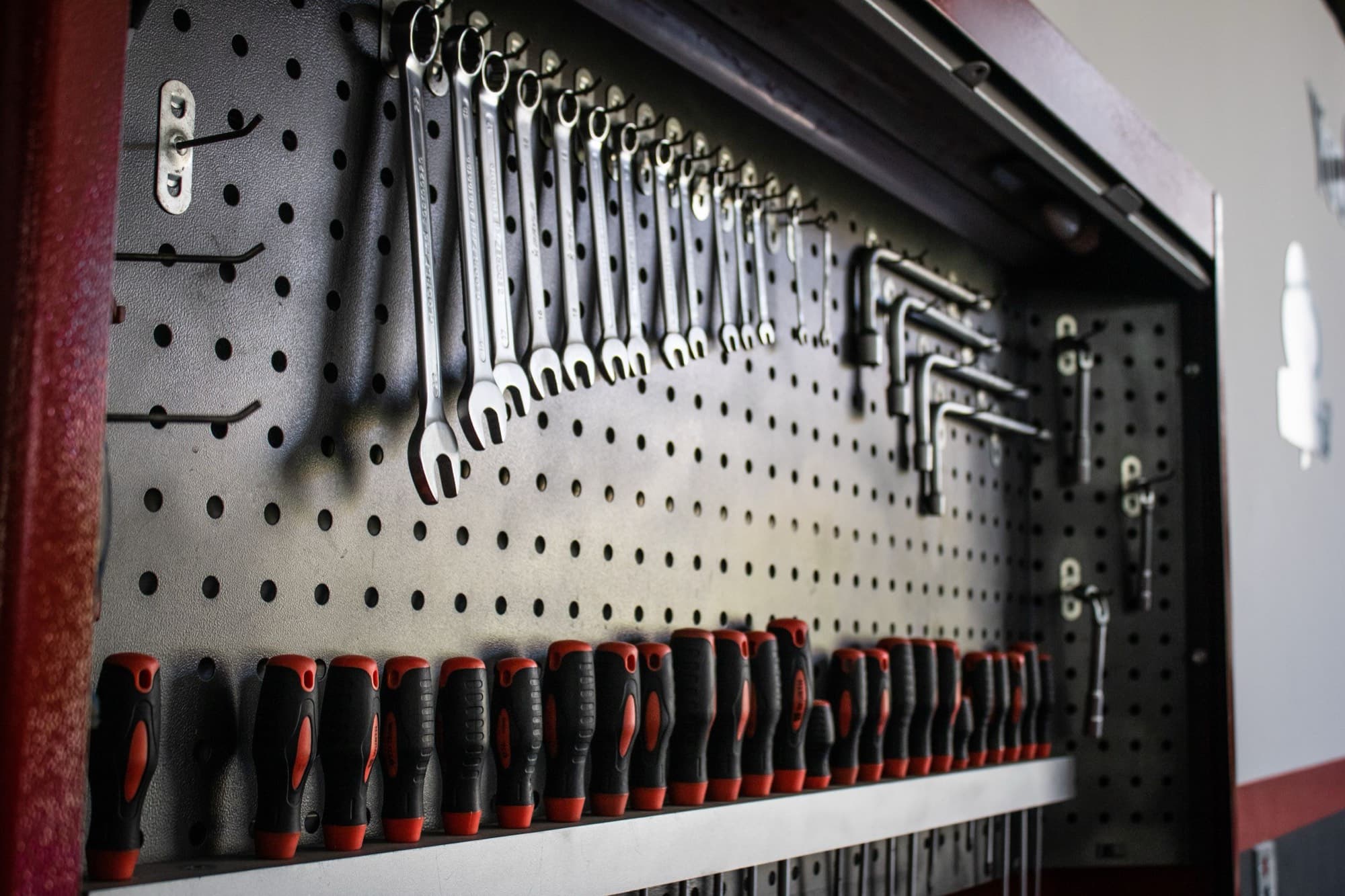
Parts we source for this industry
- 01Forged wrench, plier, and hammer blanks
- 02Powder metal ratchet pawls and gears
- 03Die cast aluminum power tool gear cases
- 04Overmolded TPE grips and handles
- 05Die cast zinc utility knife bodies
- 06Plier and clamp return springs
- 07Machined impact anvils and drive shafts
- 08Molded tool cases and inserts
- 09Sewn tool bags and pouches
- 10Stamped saw blade blanks
- 11Screw machined bit holders and chucks
- 12Rubber bumpers and boots
How these parts are made
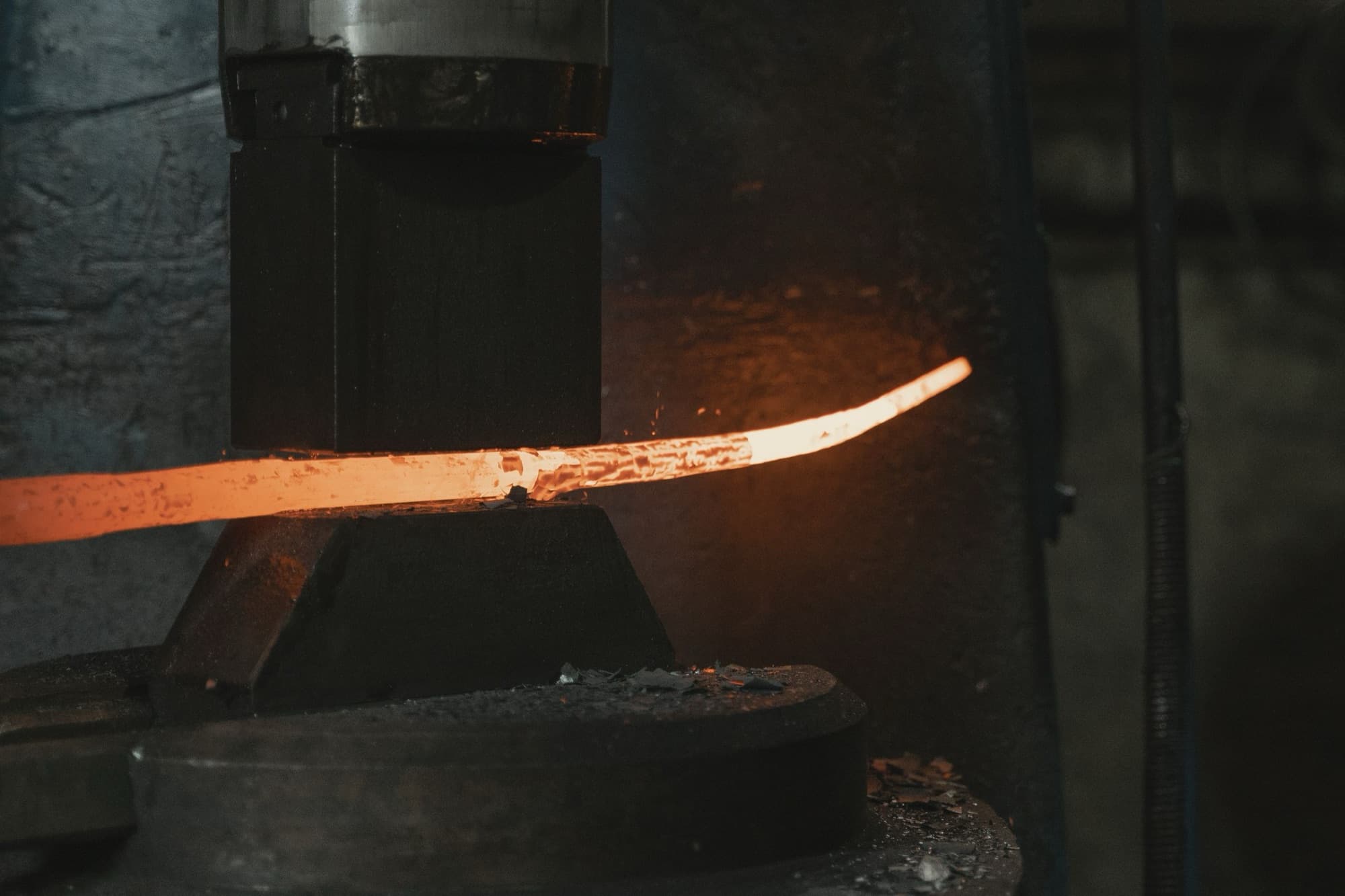 Forging
Closed-die and open-die forgings in carbon, alloy, and stainless steel and aluminum, with grain flow for strength.
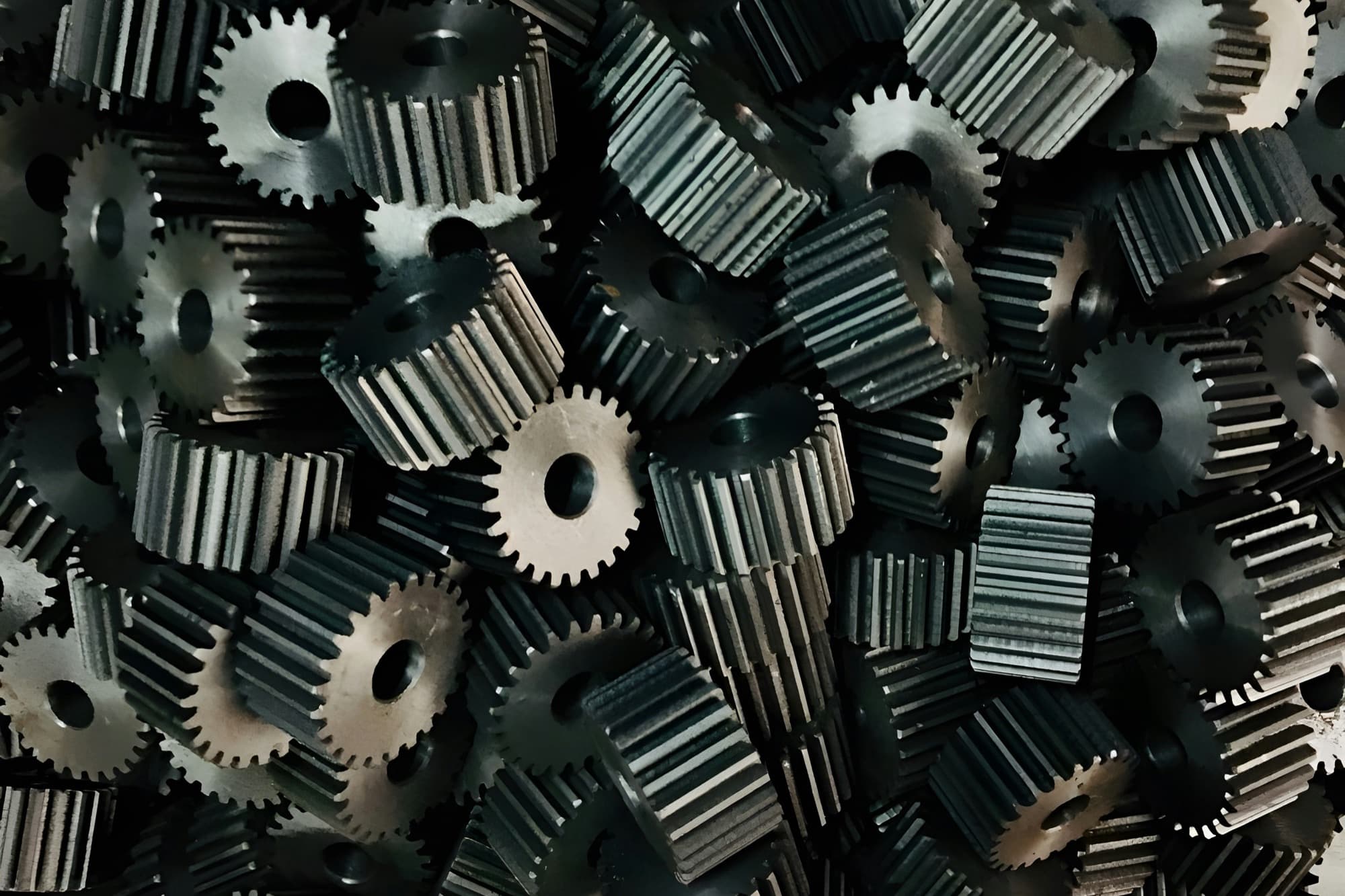 Powdered metal
Net-shape gears, bushings, and structural parts pressed from metal powder and sintered, with little or no machining.
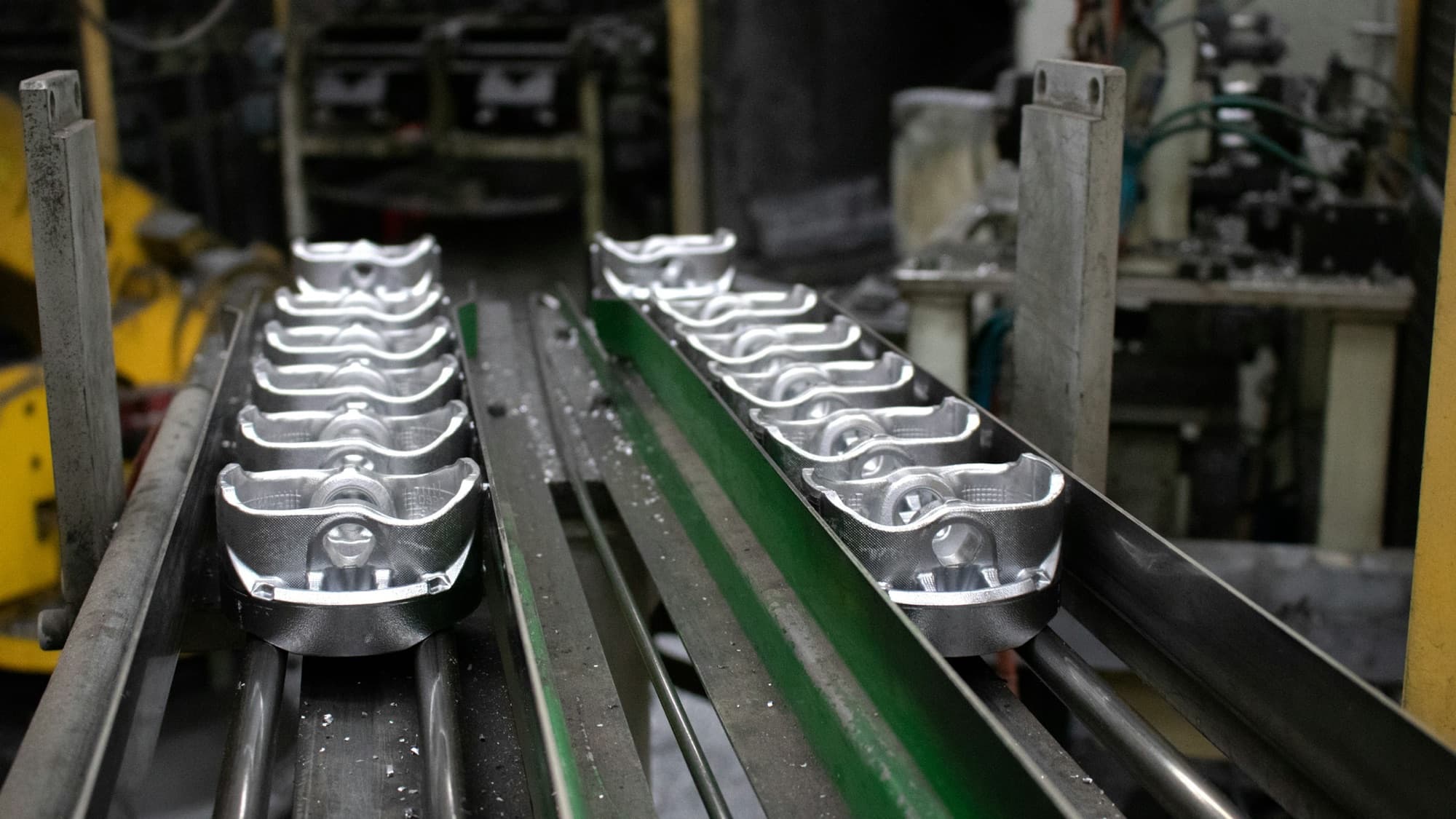 Die casting
Molten zinc or aluminum injected into steel dies at high pressure. Thin walls and net shape at 2,500+ parts a year.
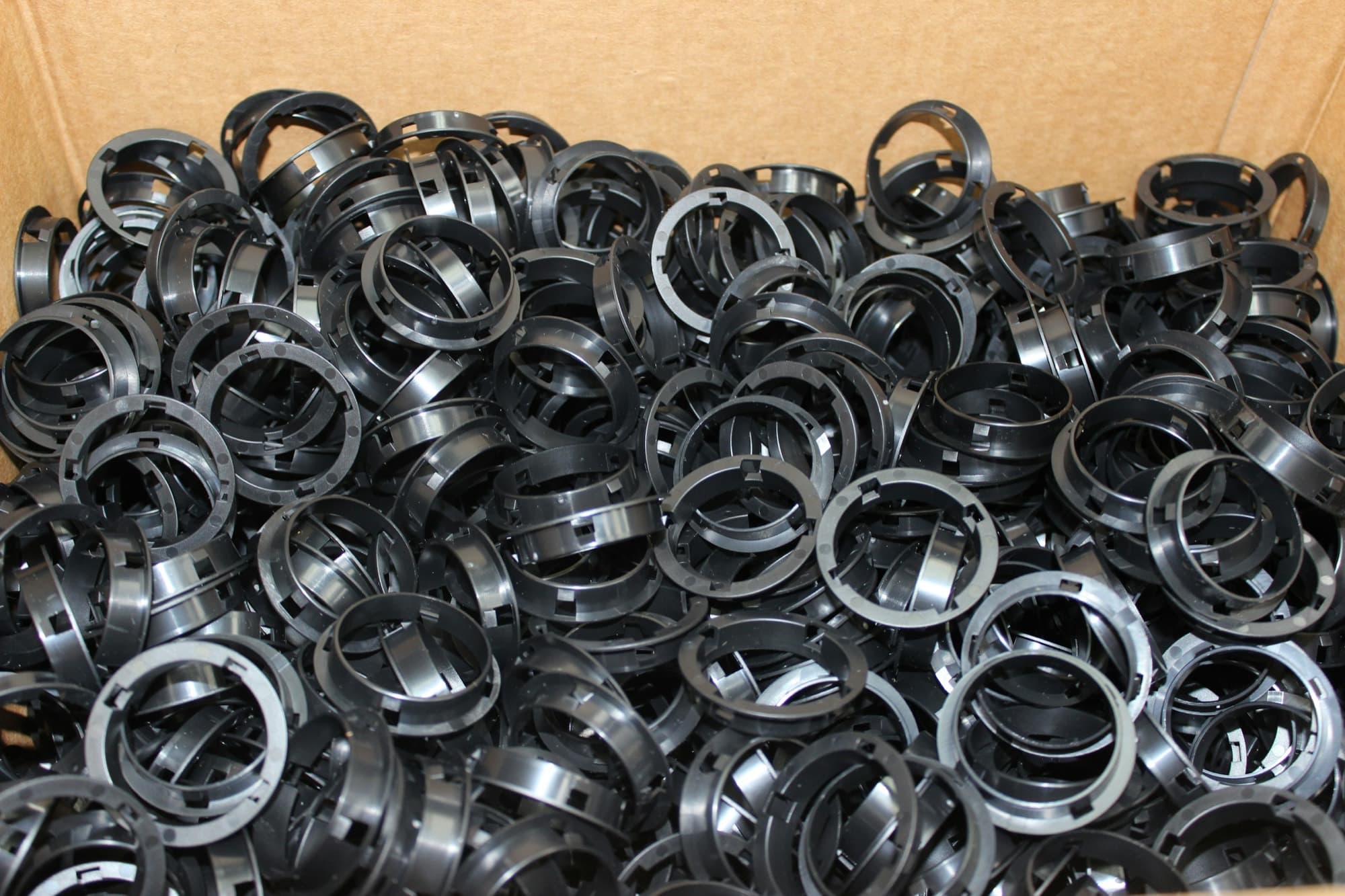 Injection molding
Molten thermoplastic injected into a steel or aluminum mold. Lowest piece price for plastic parts at 5,000+ a year.
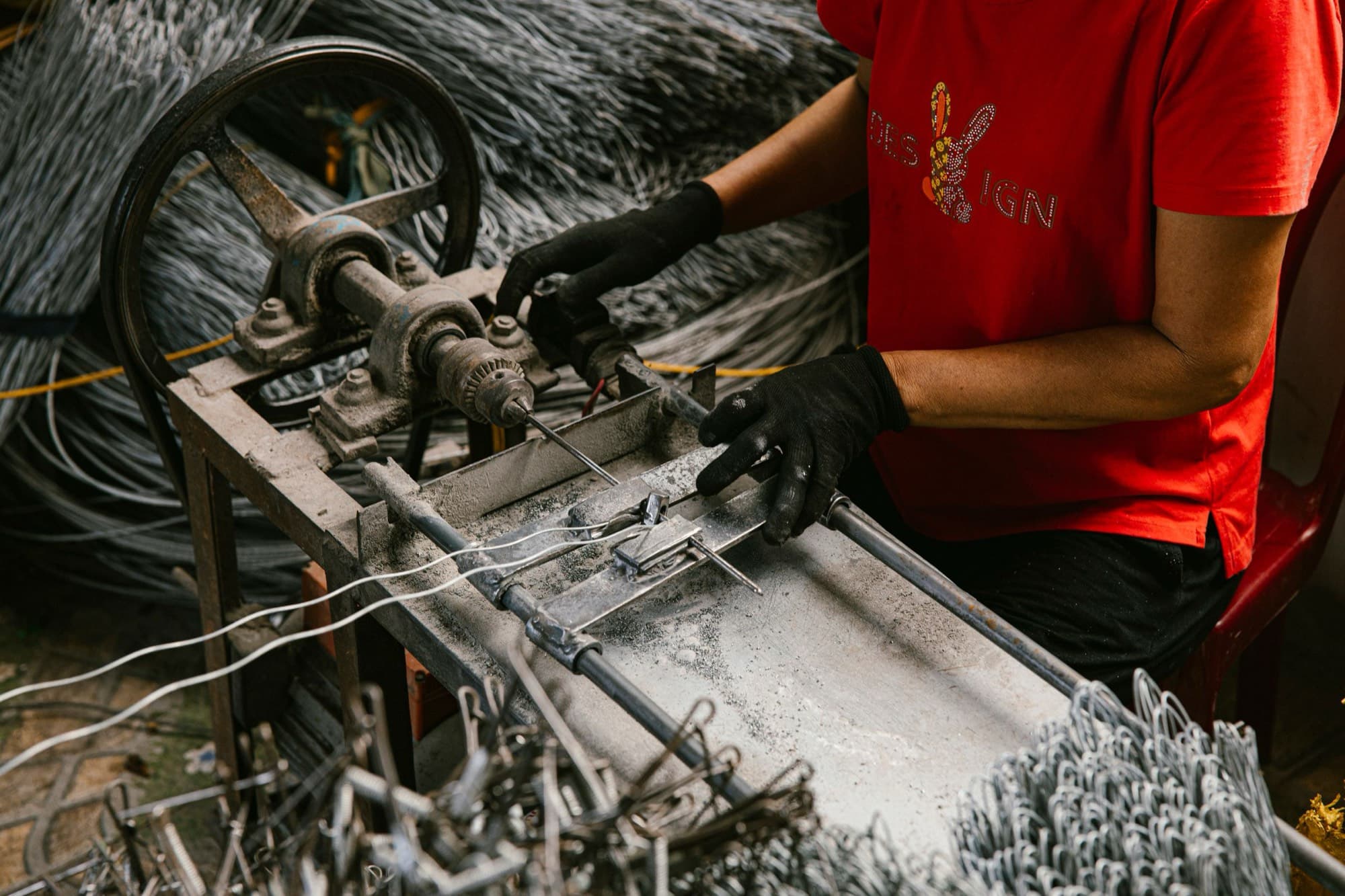 Springs & wire forms
Compression, extension, and torsion springs, wire forms, and fourslide clips made from round wire and flat strip.
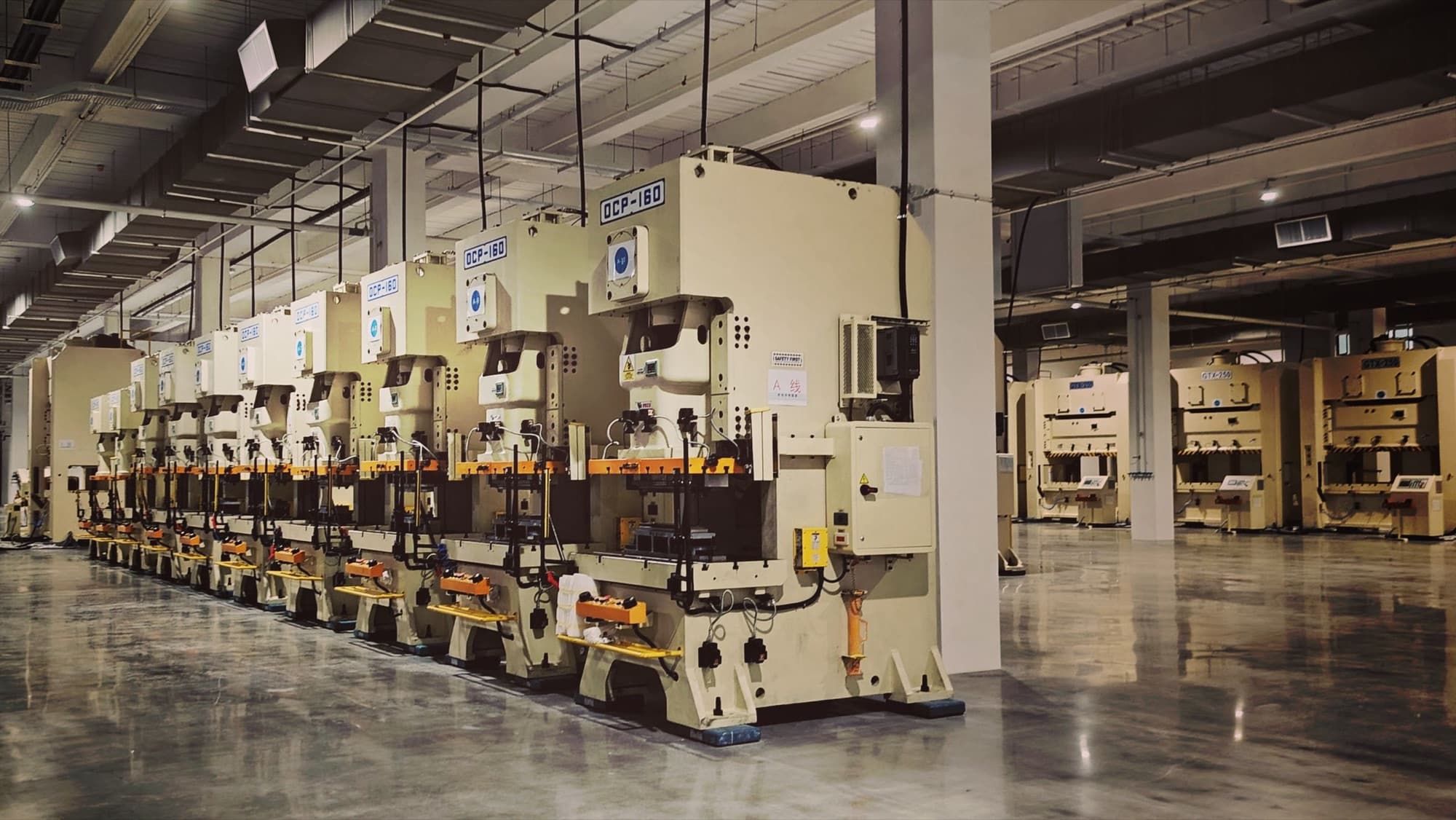 Stamping
Short- to medium-run stampings: brackets, clips, shields, and plates cut and formed from sheet or coil in a press.
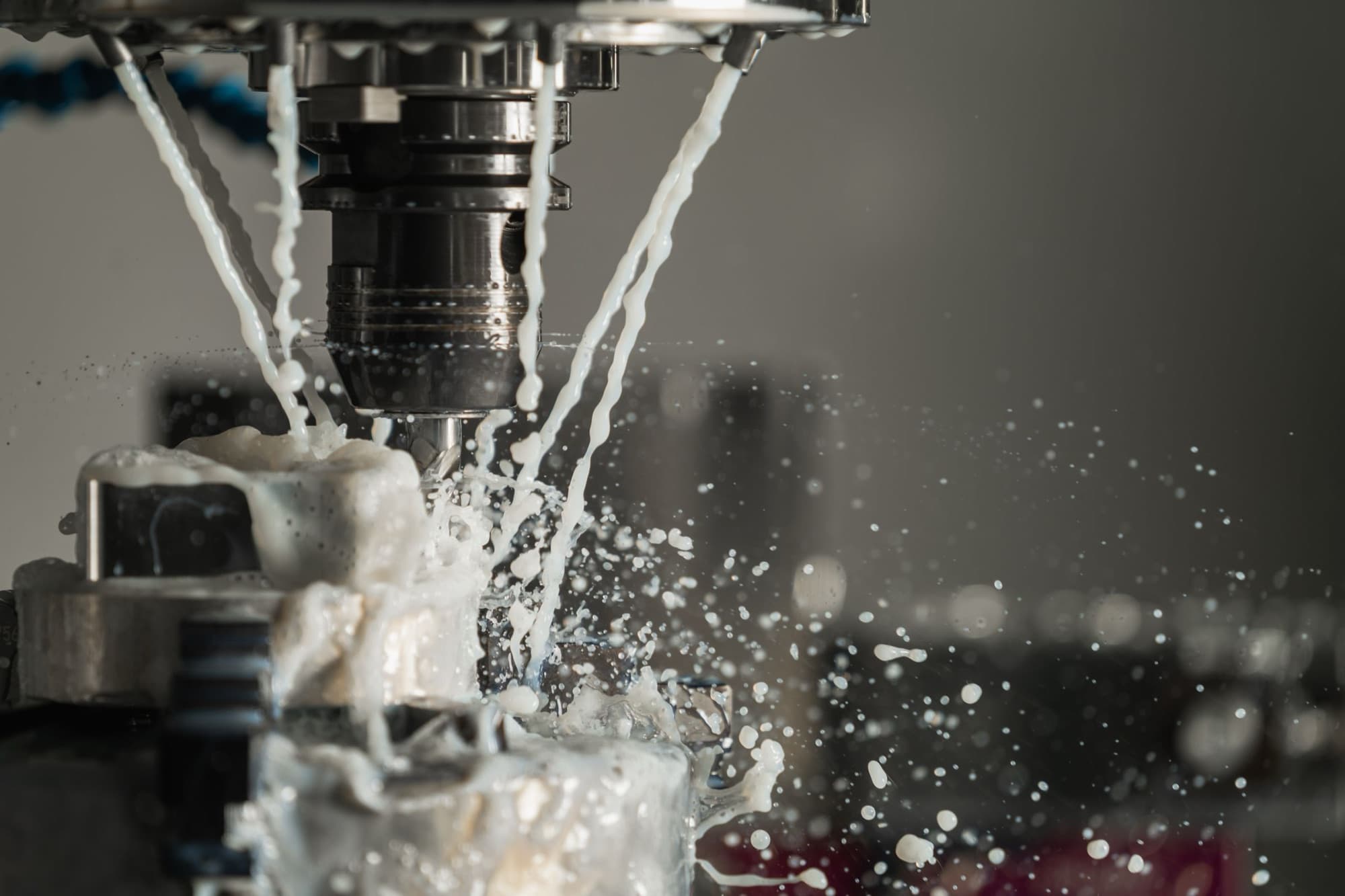 CNC machining
CNC milling, turning, and production sawing from bar, plate, castings, and forgings, from prototype to production.
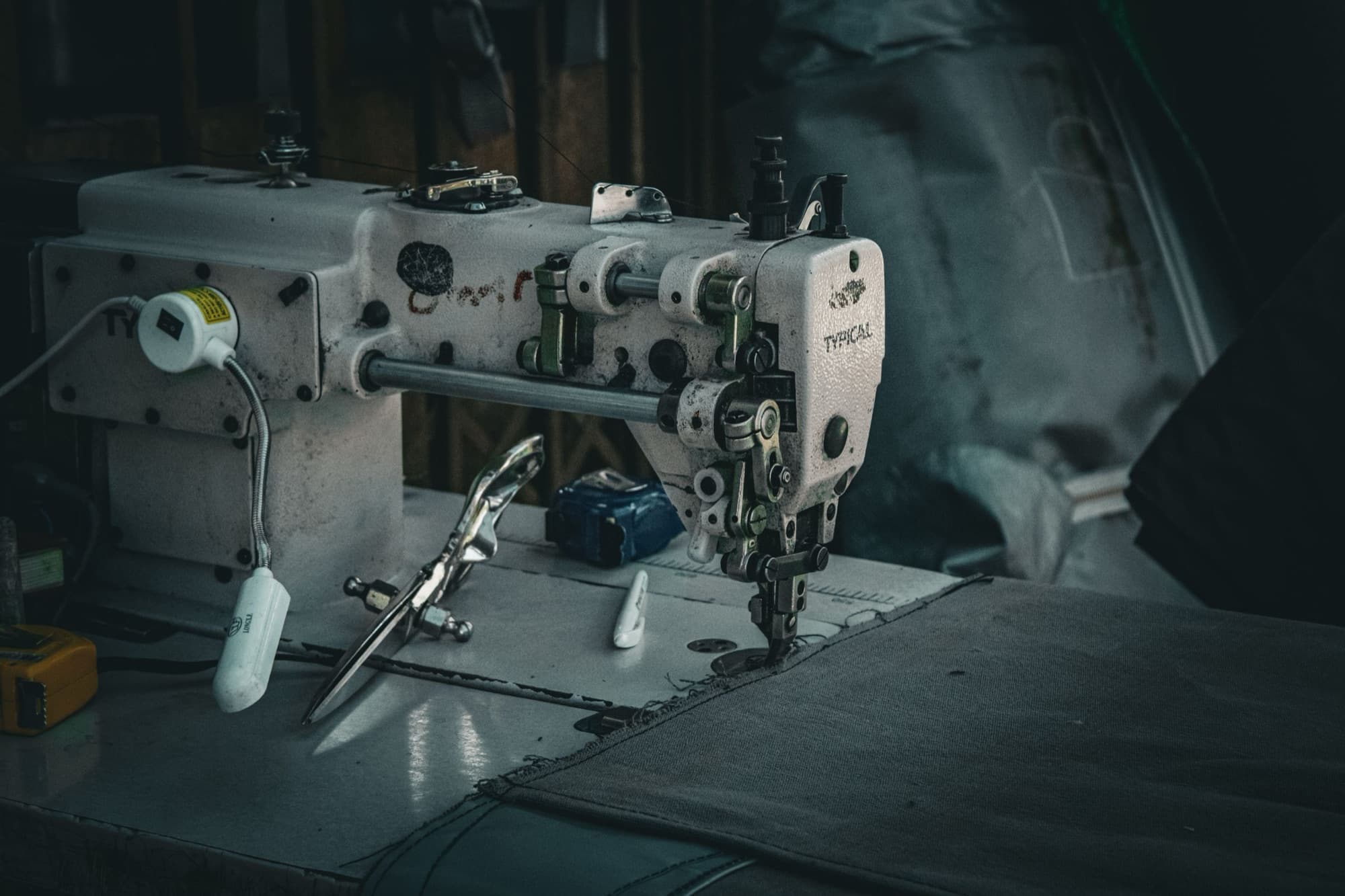 Soft goods
Cut-and-sewn covers, bags, cases, straps, cushions, and industrial textiles, from pattern development to production.
Which of these pays off at your quantity?
Parts per order
6 processes are at their best at this quantity, and 2 more can do it.
Drag to your quantity


What suppliers are held to
Hand tool standards
Wrenches, sockets, pliers, and screwdrivers are designed to the ASME B107 performance standards, and torque tools to ISO 6789. These set proof torque, hardness, and dimensional limits.
Power tool safety
Handheld power tools are evaluated to UL 62841-1 and its part 2 standards. Gear cases, guards, and switch housings must survive the drop and abuse tests in those standards.
Heat treat control
Forged and powder metal parts are heat treated to a specified Rockwell range and verified by lot. Case depth, hardness, and decarburization limits belong on the drawing and the cert.
Made in USA claims
An unqualified Made in USA label must meet the FTC rule in 16 CFR Part 323 that the product is all or virtually all made in the US. Sourcing choices for forgings, castings, and grips affect whether a tool qualifies.
Questions
Forged or powder metal for ratchet components?
Powder metal is standard for ratchet pawls and gears because it makes net-shape teeth at low cost and is then heat treated for strength. Forged and machined parts go into heavy-duty ratchets where impact loads exceed what sintered steel handles.
What does it take to label a tool Made in USA?
Under FTC rules, all or virtually all of the product, including significant parts and processing, must be of US origin. A US-assembled tool with an imported forging usually needs a qualified claim instead.
Can grips be overmolded onto metal?
Yes. The forged or stamped part is loaded into the mold as an insert and TPE is molded around it, often over a rigid polypropylene or nylon substrate for bond strength. Knurling or through-holes in the metal add a mechanical lock.


Send us the part.
Build it or upload a drawing. A rep routes it to principals already making parts for this industry.