Loading page
Core line, represented 25+ years
How do recreation equipment builders source parts at model-year volumes?
Recreation equipment builders source parts at volumes between prototype and automotive scale, so tooling choices matter. Forgings and castings carry suspension and steering loads, molded parts cover bodies and dashes, and marine hardware needs 316 stainless. Model-year changes put tooling on a tight clock. SSG matches each part to principals sized for these volumes.
- Part families
- 12
- Processes
- 8
- Materials
- 10
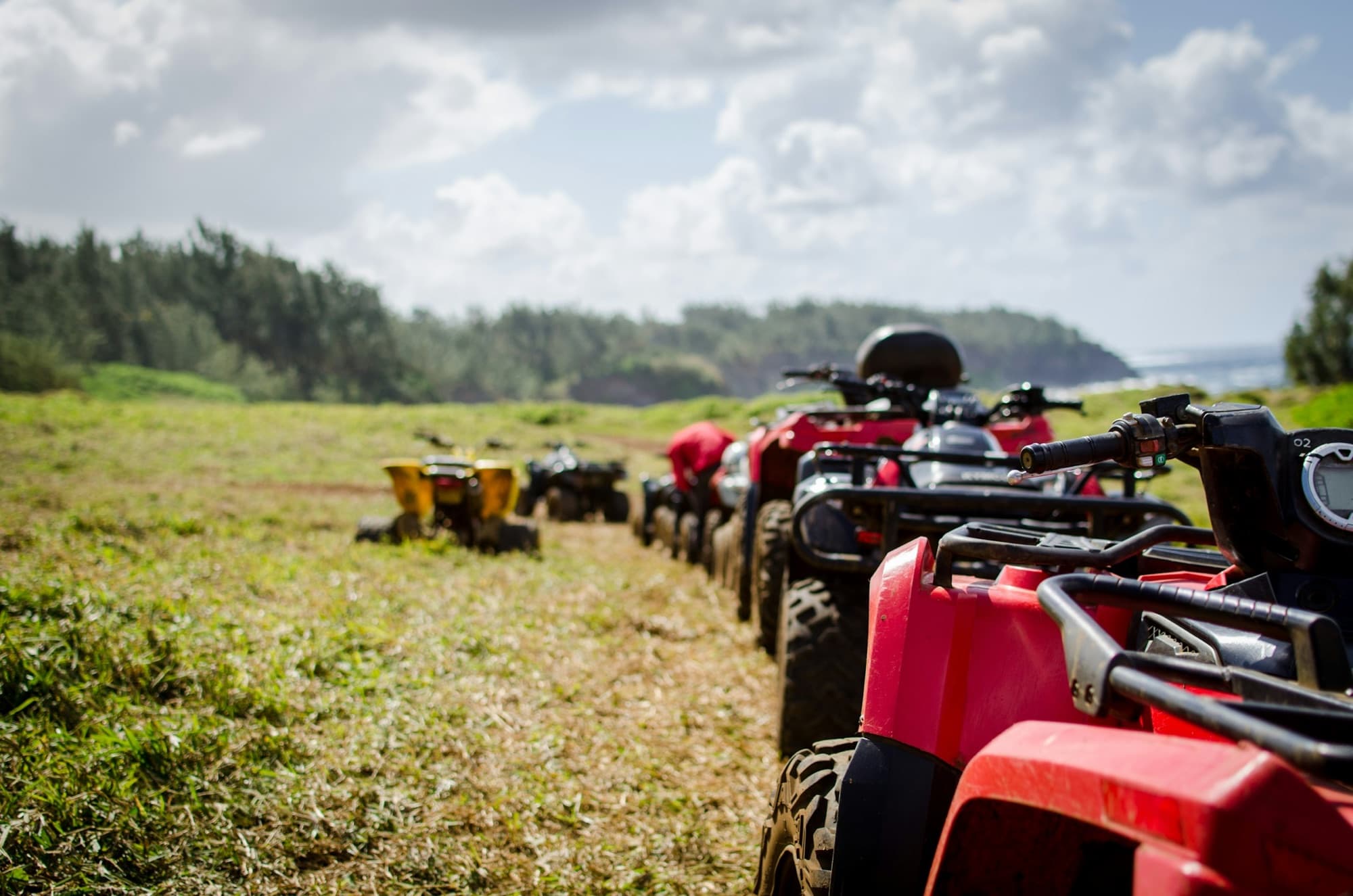
Parts we source for this industry
- 01Forged steering and suspension clevises
- 02Die cast aluminum brackets and housings
- 03Stamped seat frames and mounting brackets
- 04Molded dash panels, fender flares, and storage bins
- 05316 stainless marine hinges and cleats
- 06Shock and throttle return springs
- 07EPDM bump stops, grommets, and hatch seals
- 08Machined pivot bushings and spacers
- 09Sewn seat covers, bimini tops, and storage bags
- 10Deep drawn fuel tank and filler necks
- 11Powder metal clutch and drive components
- 12Die cast zinc latches and trim hardware
How these parts are made
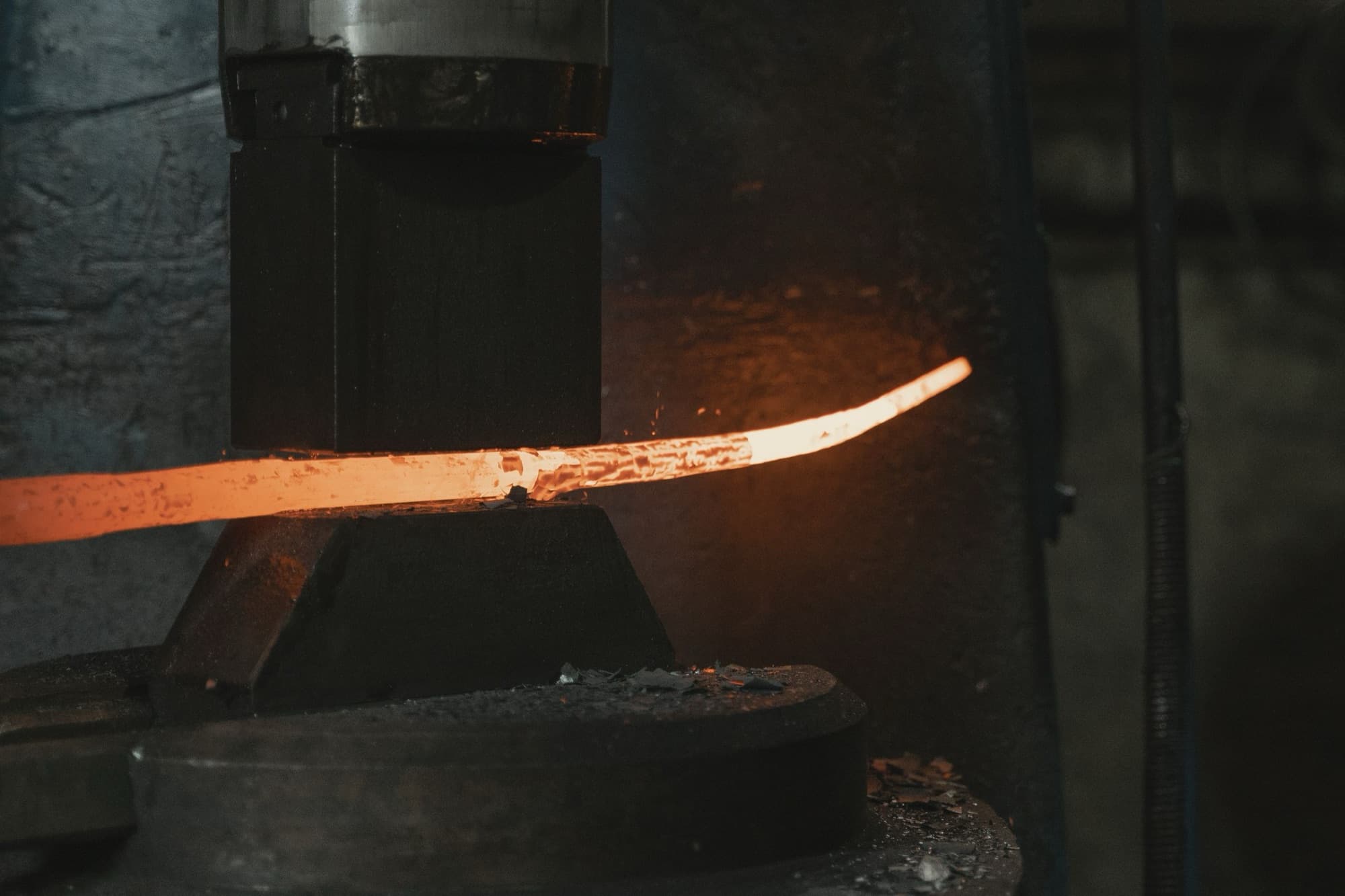 Forging
Closed-die and open-die forgings in carbon, alloy, and stainless steel and aluminum, with grain flow for strength.
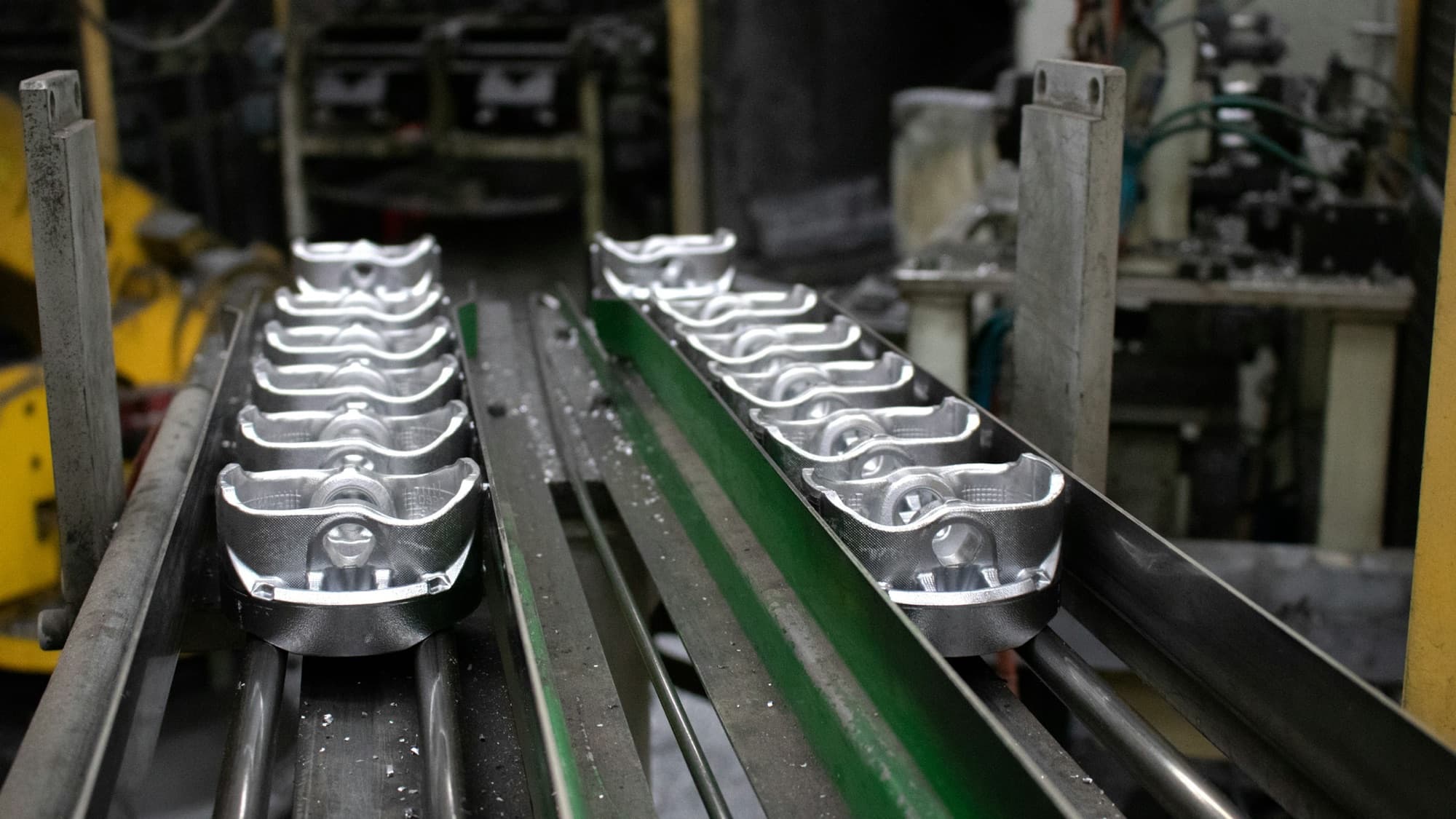 Die casting
Molten zinc or aluminum injected into steel dies at high pressure. Thin walls and net shape at 2,500+ parts a year.
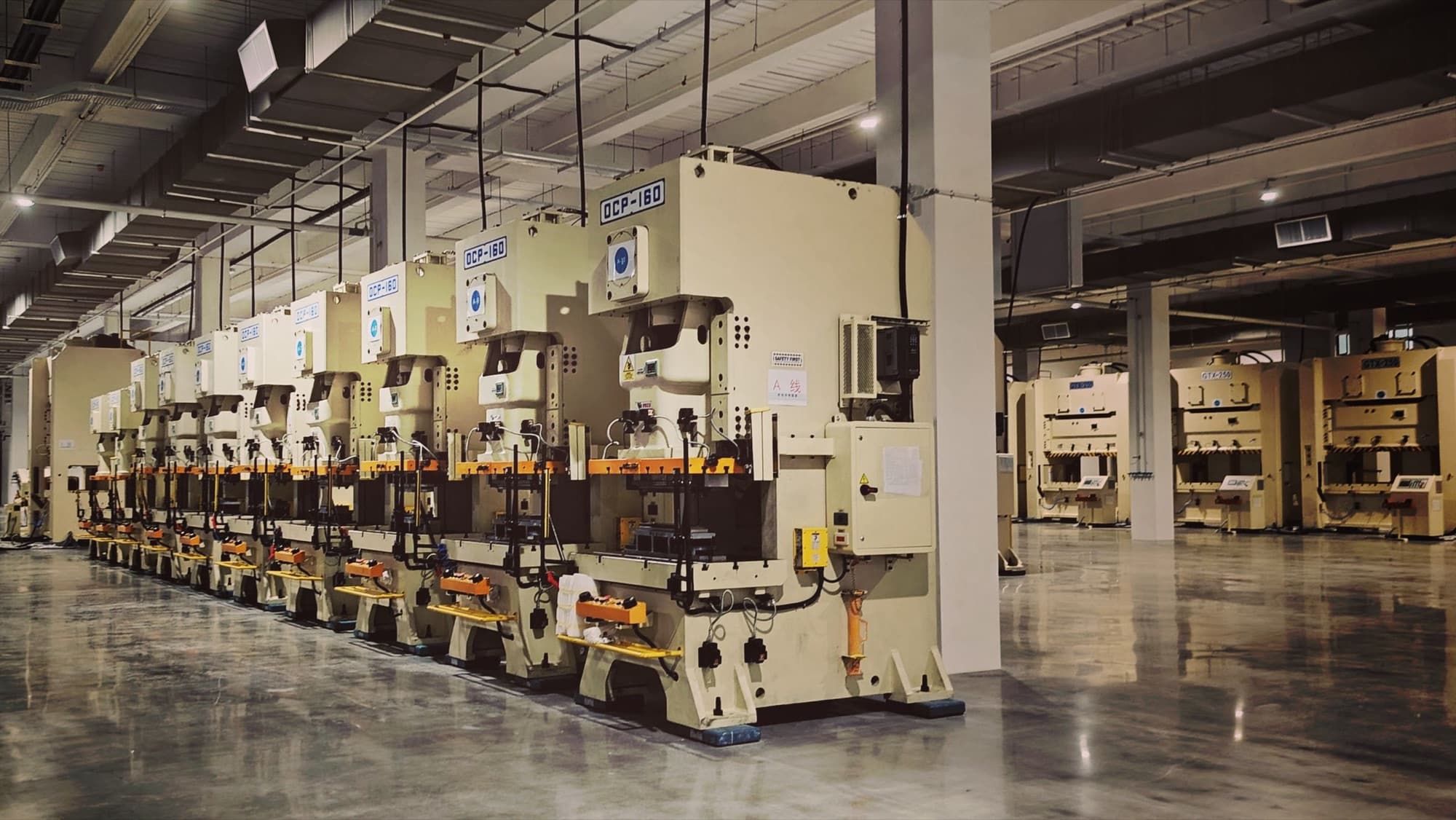 Stamping
Short- to medium-run stampings: brackets, clips, shields, and plates cut and formed from sheet or coil in a press.
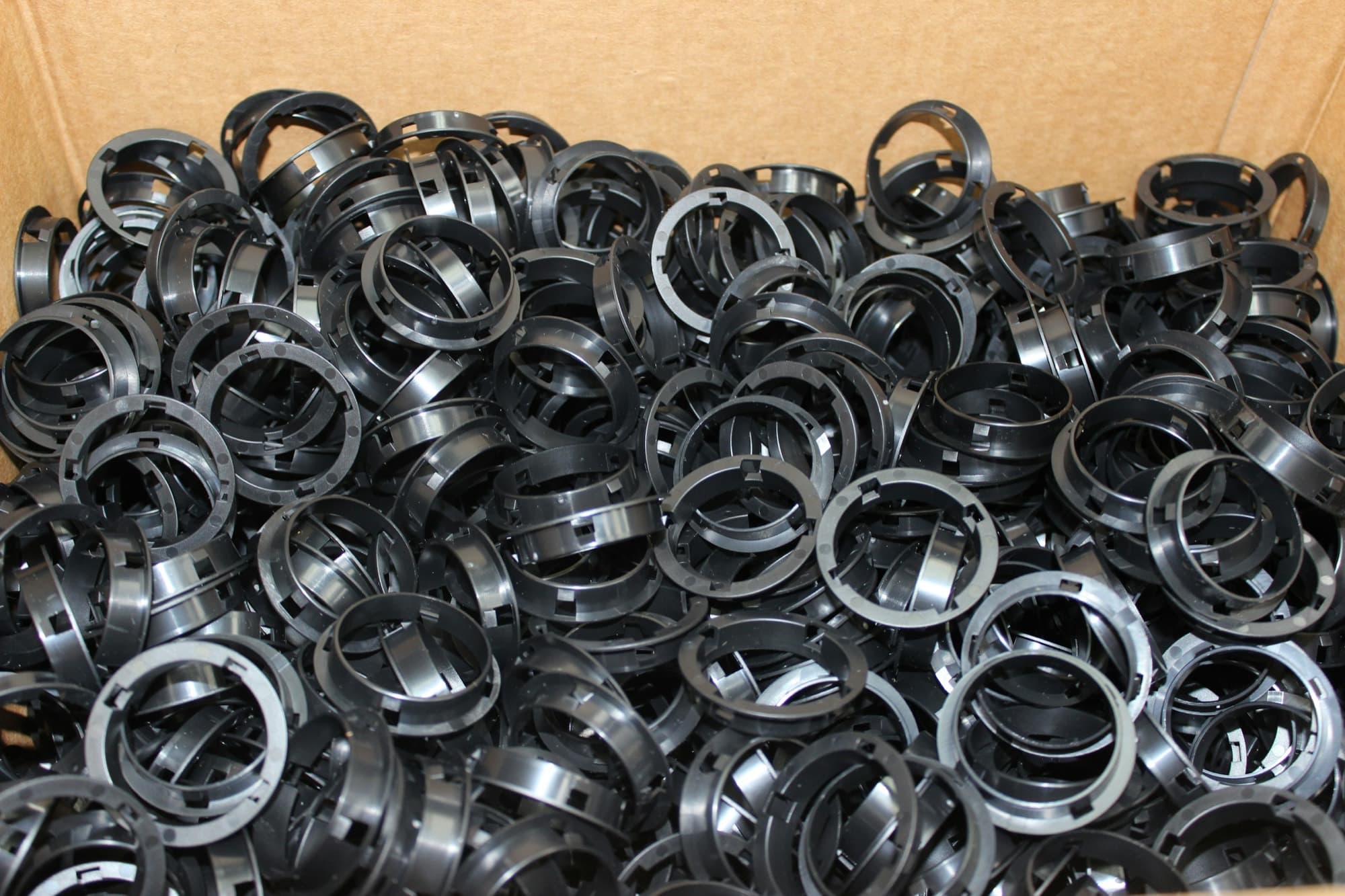 Injection molding
Molten thermoplastic injected into a steel or aluminum mold. Lowest piece price for plastic parts at 5,000+ a year.
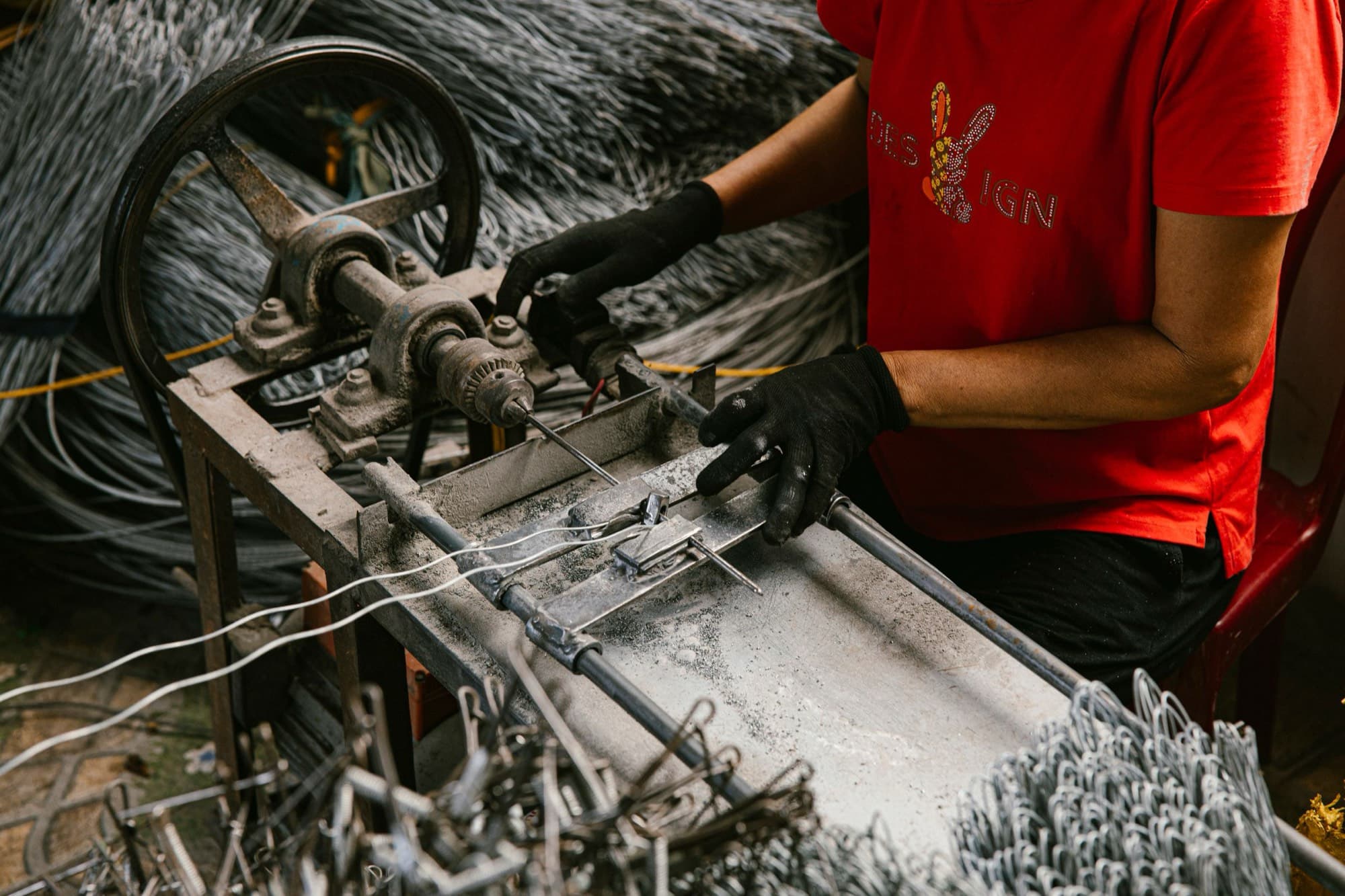 Springs & wire forms
Compression, extension, and torsion springs, wire forms, and fourslide clips made from round wire and flat strip.
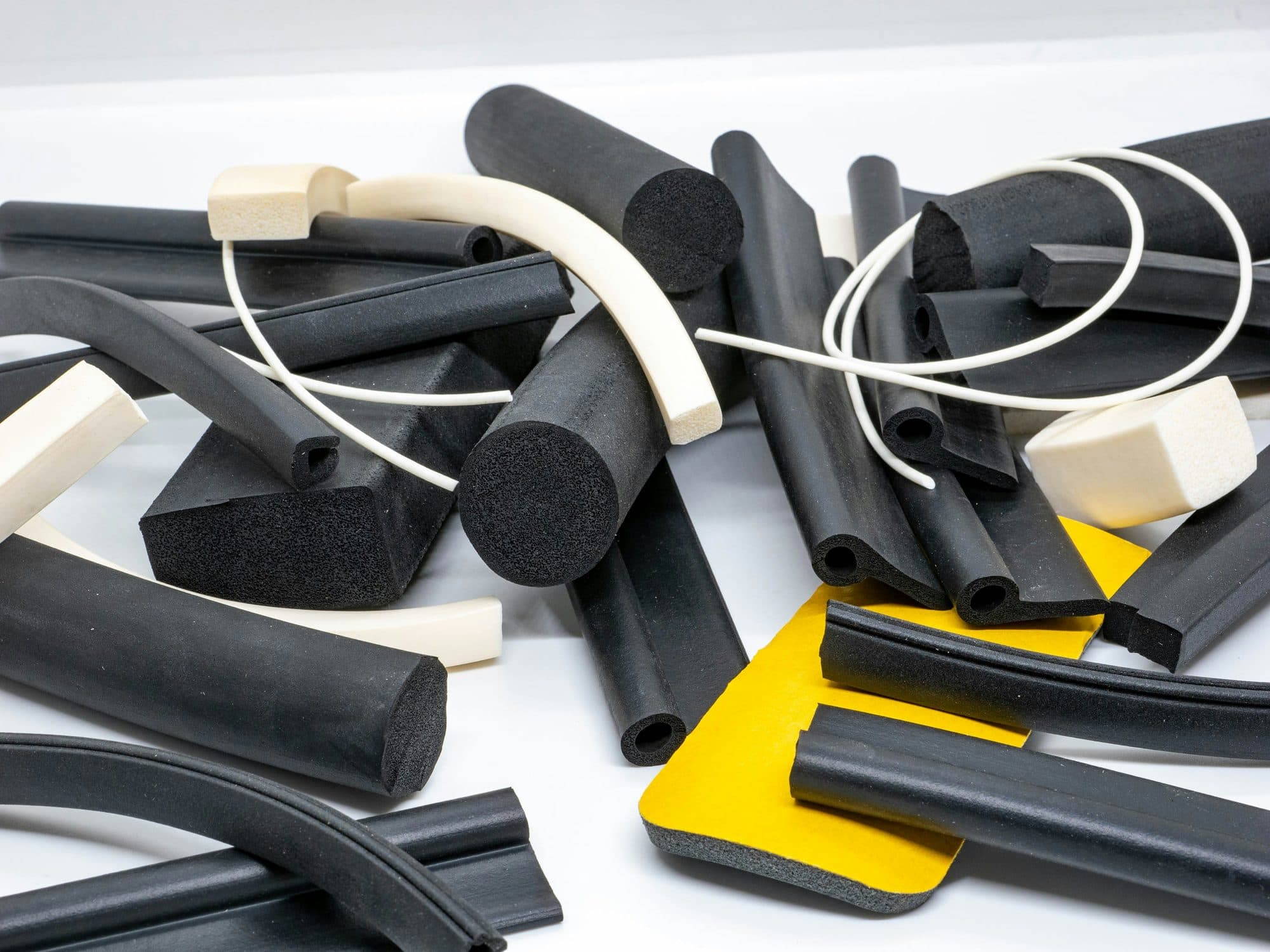 Rubber
Seals, gaskets, grommets, and profiles extruded or molded in EPDM, silicone, nitrile, neoprene, FKM, and TPE.
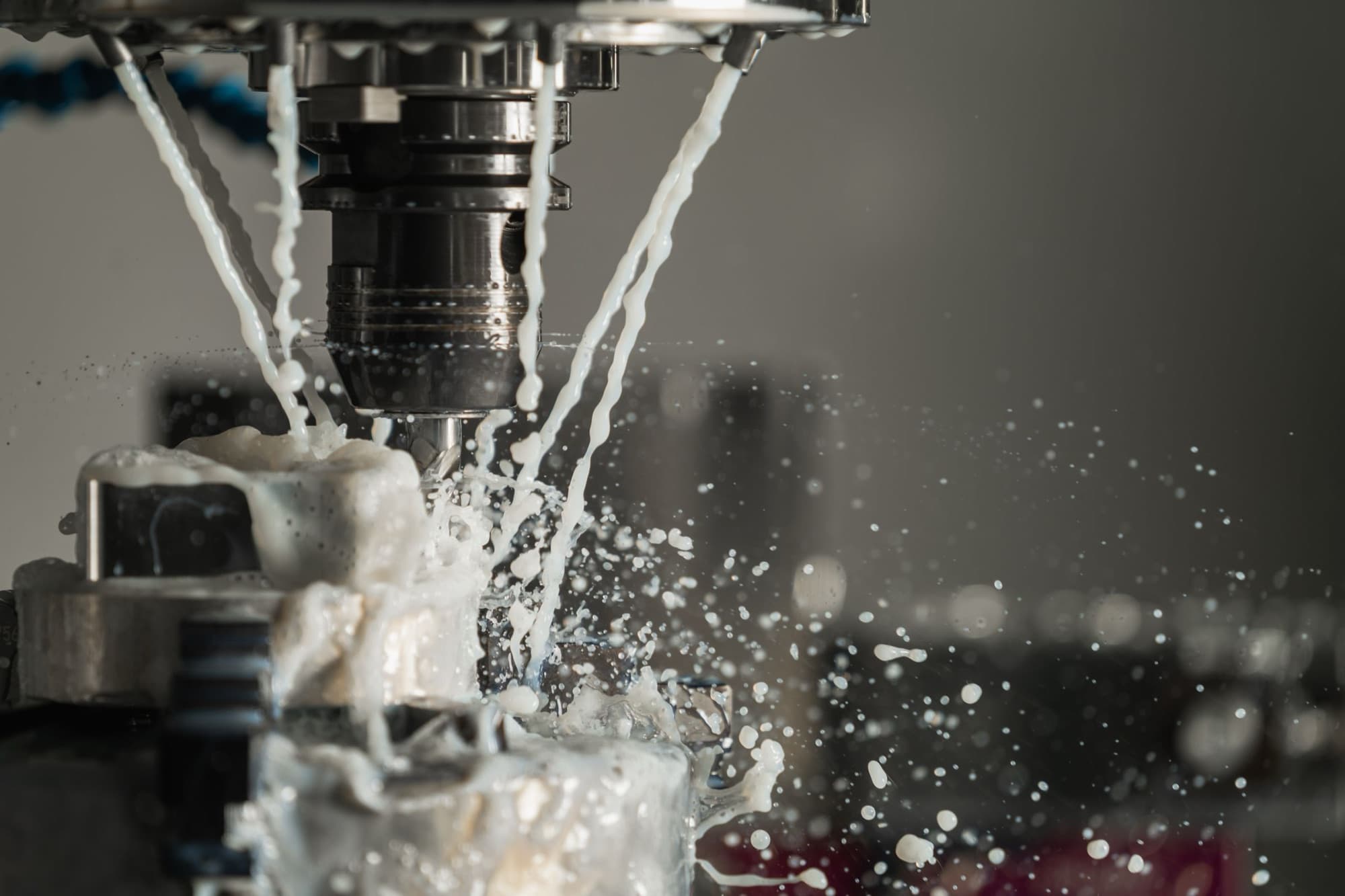 CNC machining
CNC milling, turning, and production sawing from bar, plate, castings, and forgings, from prototype to production.
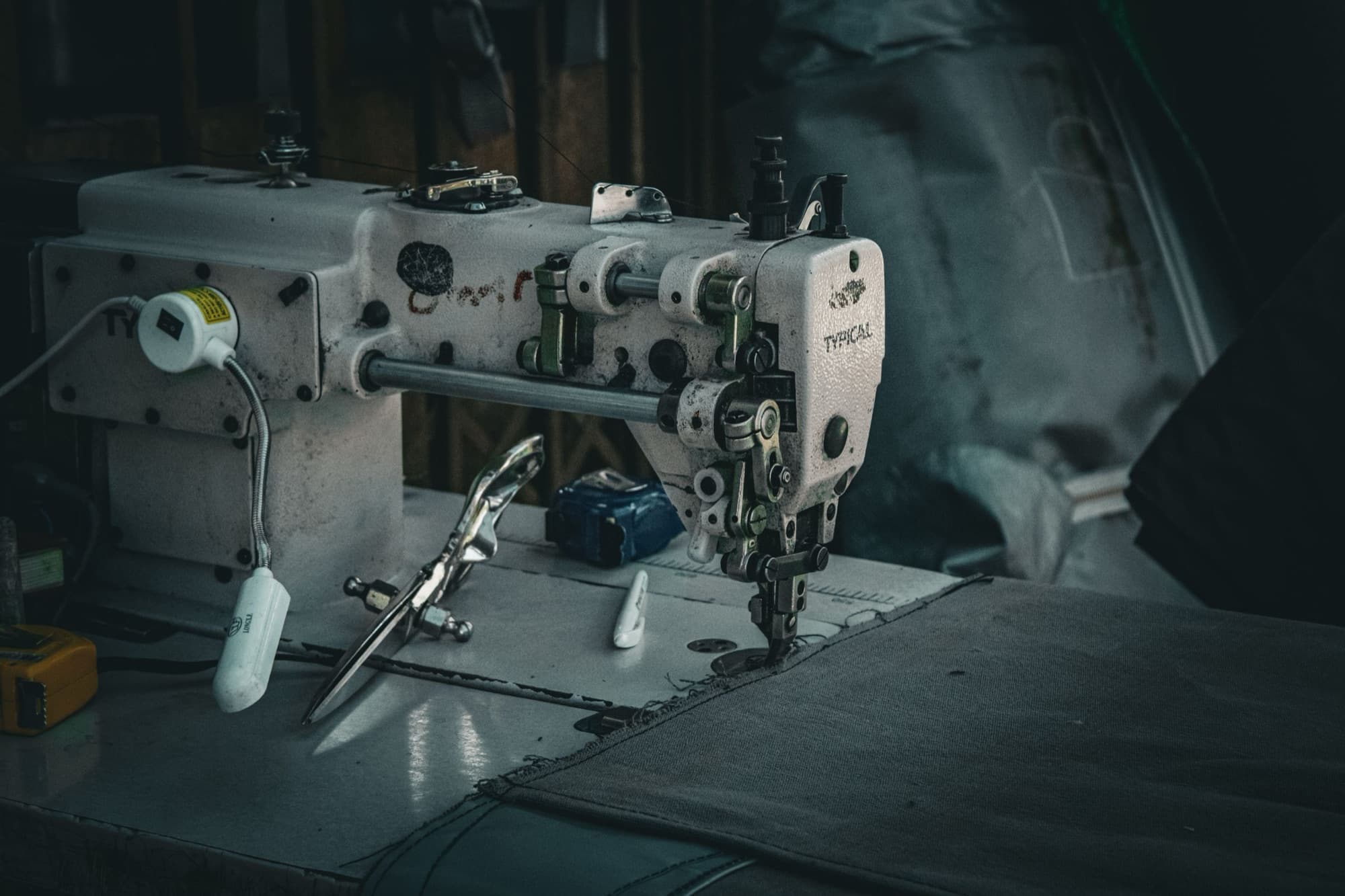 Soft goods
Cut-and-sewn covers, bags, cases, straps, cushions, and industrial textiles, from pattern development to production.
Which of these pays off at your quantity?
Parts per order
7 processes are at their best at this quantity, and 1 more can do it.
Drag to your quantity


What suppliers are held to
Vehicle standards
ATVs are built to ANSI/SVIA 1 and side-by-sides to ANSI/ROHVA 1. Recreational vehicles follow NFPA 1192. Load-bearing brackets and steering parts are flagged as safety-critical on the drawing.
Marine requirements
Boat builders follow US Coast Guard rules in 33 CFR Part 183 and ABYC standards. Hardware exposed to salt water is typically 316 stainless, and coated parts are held to ASTM B117 salt spray hours.
UV and weather exposure
Molded exterior parts need UV-stabilized resins and are often tested with xenon arc exposure per ASTM G155. Soft goods use solution-dyed or coated fabrics rated for sun and water.
Model-year timing
New models launch on a fixed calendar, so a tooling slip holds up the whole vehicle. Many programs use bridge tooling for the first model year and move to production tooling once volume is proven.
Questions
Is 304 or 316 stainless right for marine hardware?
316 for anything that sees salt water. Its 2–3% molybdenum resists the pitting and crevice corrosion that attack 304. For freshwater boats and covered hardware, 304 is often acceptable and costs less.
Should suspension components be forged or cast?
Forgings give continuous grain flow and higher fatigue strength, so they are the usual choice for clevises, tie-rod ends, and highly loaded brackets. Castings cost less for complex shapes and work where the loads allow.
Can seat covers and bags come from the same RFQ as hard parts?
Yes. SSG represents soft goods design and manufacturing alongside forging, casting, stamping, and molding, so one RFQ can cover the metal, molded, and sewn parts of a program.
Send us the part.
Build it or upload a drawing. A rep routes it to principals already making parts for this industry.