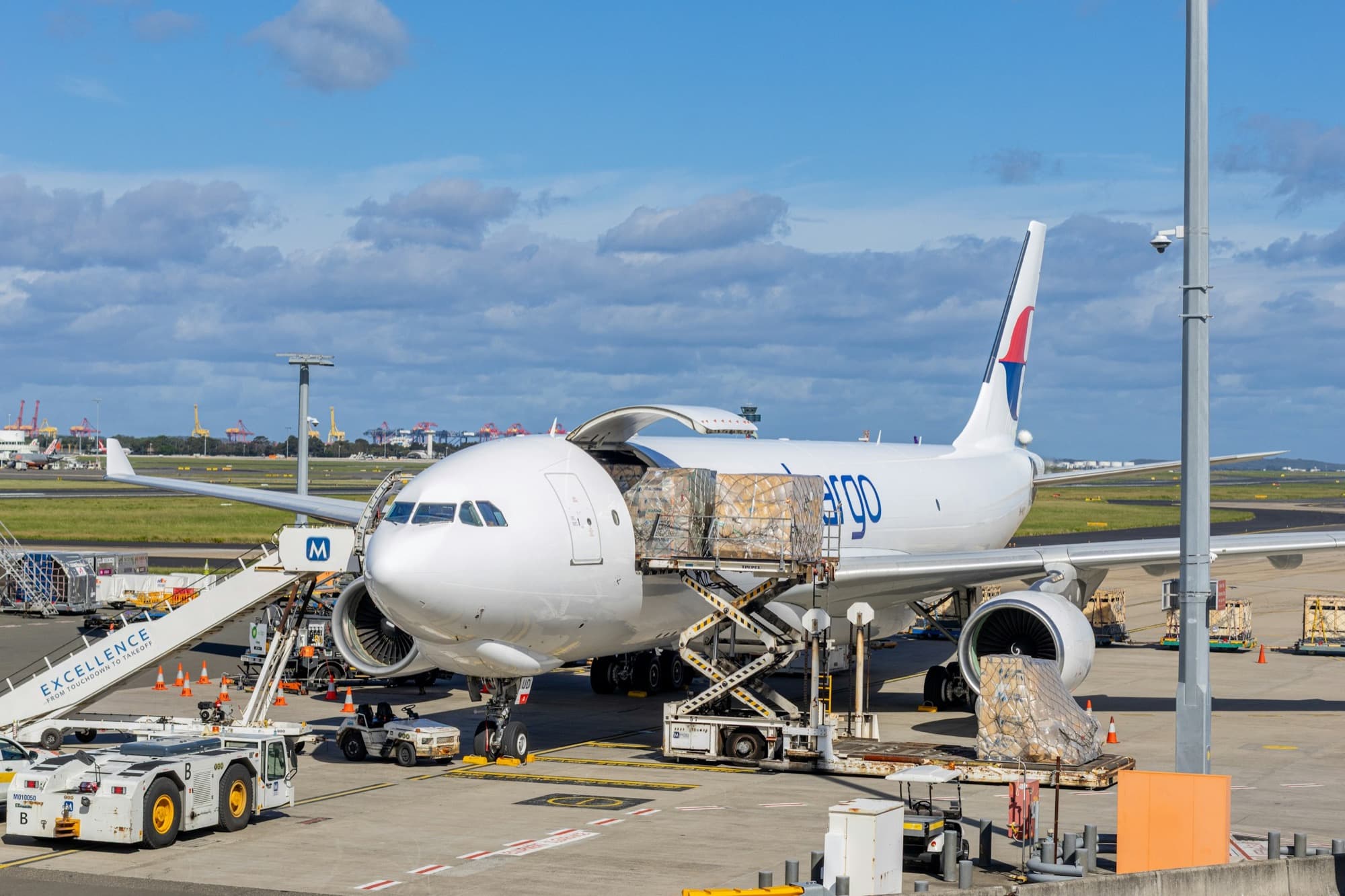
Offshore sourcing strategy: total landed cost
SSG MFG engineering6 min readOffshore sourcing
How do you decide whether to source a part offshore?
Compare total landed cost, not unit price. Total landed cost adds tooling, freight, duties and tariffs, brokerage, inventory carrying cost, quality escapes, and the cost of longer lead times to the supplier's price. A quote 30–40% below domestic can shrink to a few percent once those are counted, and it flips to domestic when tariffs, freight, or engineering changes rise.
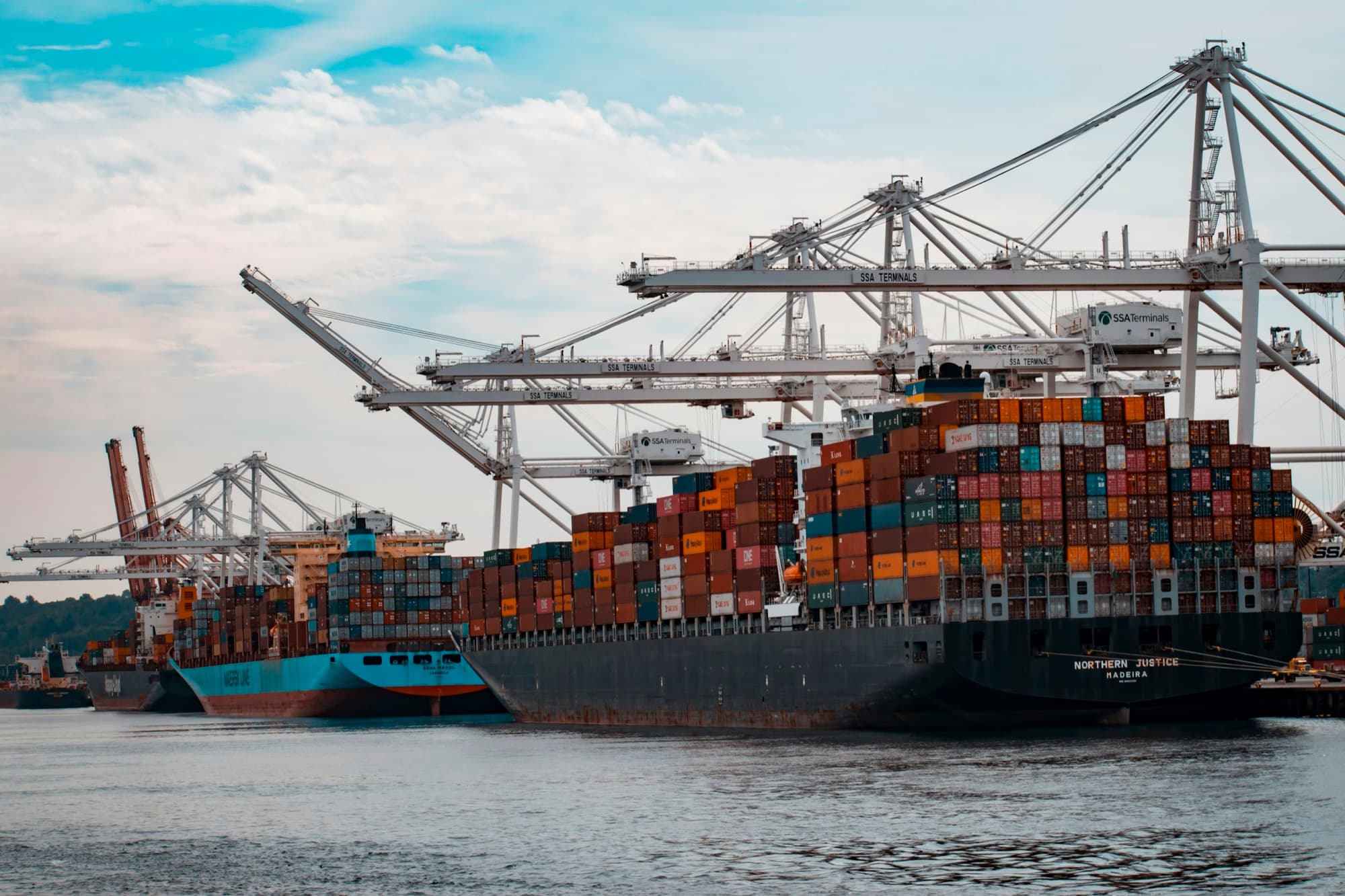

What is total landed cost?
Total landed cost is everything you pay to get a conforming part onto your line, divided by the number of parts. Unit price is only the first line. The rest is freight, duty, handling, the capital tied up in inventory, and the cost of things going wrong far from home.
- Unit price at a stated Incoterm (EXW, FOB, or DDP under Incoterms 2020)
- Tooling, amortized over the parts it will make
- Freight: ocean or air, drayage, and inland transport
- Duties and tariffs, including any additional duties on your HTS code and origin
- Customs brokerage, bond, and entry fees
- Inventory carrying cost for the extra weeks in the pipeline
- Quality: inspection, sorting, rework, and expedited replacements
- Supplier management: audits, travel, and engineering time
Which offshore costs do buyers miss?
| Cost element | What drives it | Rule of thumb |
|---|---|---|
| Unit price | Labor share, material, supplier overhead | Get every quote at the Incoterm you will actually use |
| Tooling | Tool class, steel, ownership, transfer | Offshore tools are often quoted 30–50% lower; confirm steel grade, life, and ownership |
| Freight | Weight, cube, mode, container fill | Ocean from Asia is commonly 30–50 days door to door; air cuts it to about a week at several times the cost |
| Duty and tariffs | HTS classification, country of origin, trade programs | Check the current rate for your exact code and origin; rates change |
| Brokerage and fees | Broker, bond, merchandise processing fee, harbor maintenance fee | Small per part, but per-entry minimums hit small shipments |
| Inventory carrying | Pipeline weeks, safety stock, order size | 20–30% of inventory value per year is a common planning rate |
| Quality escapes | Defect rate, where defects are caught, containment | One escape can erase a year of unit price savings |
| Engineering changes | Revision frequency, stock in transit | Parts on the water become obsolete when the drawing changes |
How do tariffs and Section 301 duties affect landed cost?
US duty is assessed on customs value, usually the transaction value, at a rate set by the part's Harmonized Tariff Schedule (HTS) classification and country of origin. The base rate is only the start. Additional duties can stack on top of it, and several of them change with policy rather than on a schedule.
- Section 301: additional ad valorem duties on many goods of Chinese origin, applied by HTS subheading from published lists. Lists and rates have changed several times since 2018 and are subject to periodic review.
- Section 232: duties on steel, aluminum, and designated derivative products on national security grounds. The derivative scope has expanded over time, which matters for castings, stampings, and fabrications.
- Antidumping and countervailing duties (AD/CVD): case-specific rates by product, country, and producer. They can exceed 100% of value.
- Tariffs under emergency or other statutory authorities: these can be announced, changed, or suspended on short notice.
- Trade agreements: USMCA can reduce or eliminate duty on goods from Mexico and Canada that meet its rules of origin.
Country of origin follows substantial transformation, not the last port of export. Packing or light assembly in a third country usually does not change origin, and misdeclaring origin to avoid duty is customs fraud.
How much do inventory and lead time really cost?
Offshore supply adds weeks of pipeline: production, ocean transit, customs, and inland freight. It usually adds larger order quantities too, to fill containers. Every week of pipeline is capital sitting in inventory.
| Scenario | Weeks held | Carrying cost as % of part value |
|---|---|---|
| Domestic, weekly or kanban releases | 2 | 1.0% |
| Domestic, monthly releases | 4 | 1.9% |
| Offshore, ocean, quarterly orders | 16 | 7.7% |
| Offshore, ocean, plus safety stock | 20 | 9.6% |
Lead time also costs flexibility. A forecast miss or an engineering change hits every part already on the water, and the fix is either scrap or air freight.
When does domestic sourcing win?
- Low volume and high mix: below a few thousand parts a year, setup, freight minimums, and management overhead swamp labor savings.
- Heavy or bulky parts with low value per pound: freight becomes a large share of landed cost.
- Automated processes: progressive-die stamping, high-cavitation molding, and multi-spindle screw machining have little labor to save.
- Frequent engineering changes or a new product launch.
- Restricted programs: ITAR, Berry Amendment, Buy American Act, or Trade Agreements Act requirements, or customer mandates.
- High or unstable tariff exposure on your HTS code.
- Critical-to-line parts where a stockout stops production.
Offshore tends to win on labor-intensive work such as cut-and-sew, hand assembly, and wire harnesses; on stable designs with long lives; and on light, high-value parts at high volume where freight and duty are small relative to the labor saved.
How do you manage an offshore supplier?
- Qualify with an audit, on site or through a third party. Check the quality system against what the program needs, such as ISO 9001 or IATF 16949.
- Lock the spec: drawing revision, material certs, finish spec, packaging, and country-of-origin marking per 19 CFR Part 134.
- Require PPAP or a first article inspection before the first production shipment.
- Inspect before shipment: third-party pre-shipment inspection with AQL sampling per ISO 2859-1 or ANSI/ASQ Z1.4.
- Put Incoterms and payment terms in writing. A 30% deposit with 70% before shipment is common for new suppliers.
- Own your tooling on paper: ownership, maintenance, storage, and transfer rights.
- Keep a bridge plan: a second source, domestic safety stock, or a domestic tool for launch volume.
How can SSG help with offshore sourcing?
SSG represents principals in the US and overseas, so one RFQ can come back with domestic and offshore quotes you can compare on a landed cost basis. Start in the builder at /build for an instant budgetary estimate and DFM feedback, then an SSG rep routes the RFQ to matched principals for firm quotes and handles communication through production. Independent reps with offshore sourcing customers can join the network at /network.