Deep drawn stampings: draw ratios, materials, and cost
SSG MFG engineering5 min readDeep draw
What is deep drawing and when should you use it?
Deep drawing is a stamping process that forms flat sheet metal into a one-piece cup, can, or shell whose depth exceeds its radius, using a punch, a die, and a series of reductions. It fits closed-bottom parts such as housings, cans, and sensor shells at volumes from about 10,000 to millions per year, where it beats machining, welding, or spinning on piece cost.

How does deep drawing work?
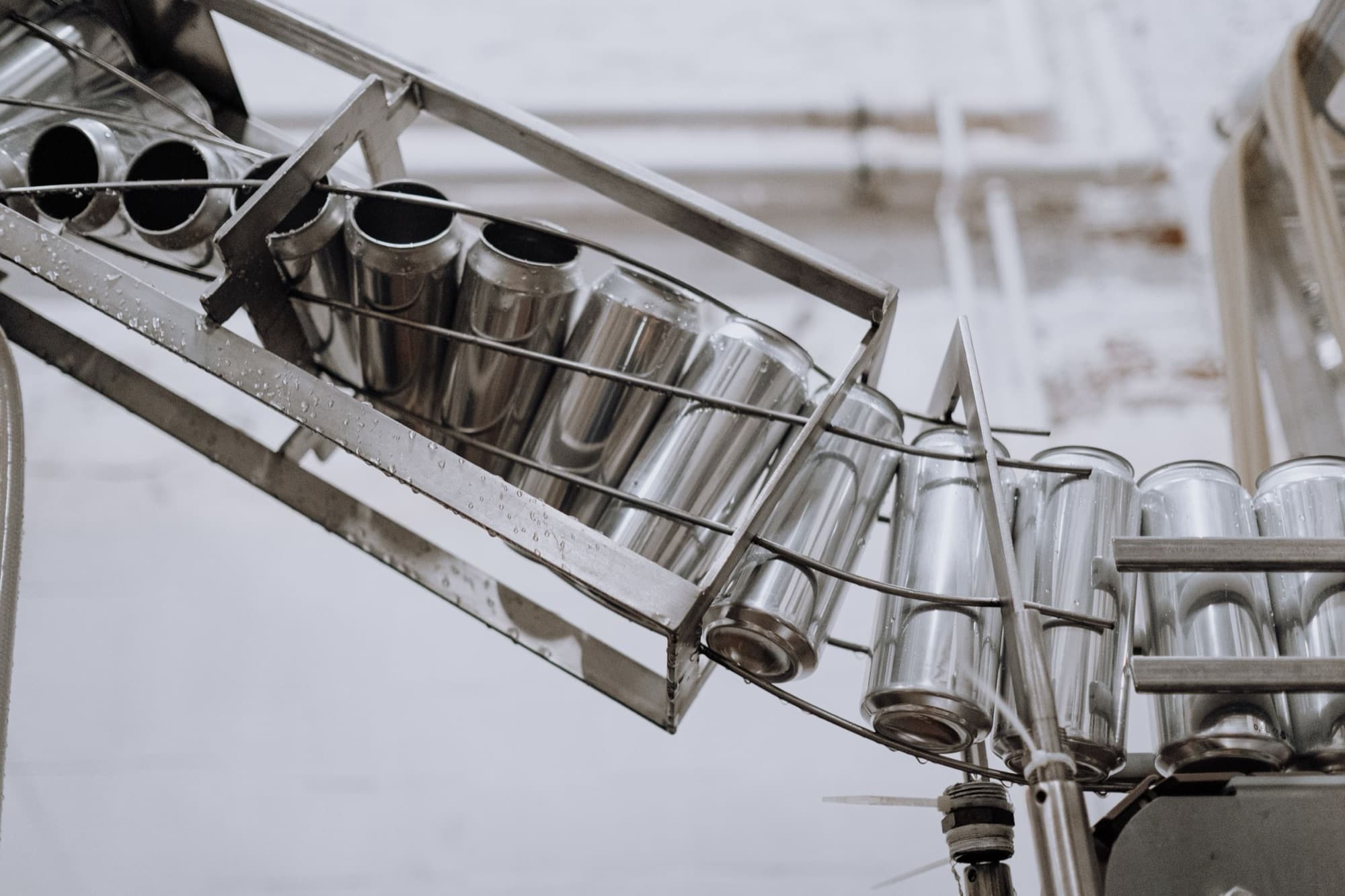
A blank holder clamps a flat blank over the die while a punch pushes the center into the die cavity. Metal in the flange flows inward and compresses around the circumference, which is why wrinkling and tearing are the two failure modes. Parts deeper than one draw allows are redrawn through progressively smaller dies.
- Blank: cut a round or developed blank from coil or sheet.
- First draw: form a shallow, wide cup.
- Redraws: reduce diameter and add depth, stage by stage.
- Ironing (optional): thin and size the wall for tight wall tolerance.
- Trim, pierce, and form: remove the uneven top edge and add holes, flanges, or beads.
- Finish: wash, anneal if needed, and plate or coat.
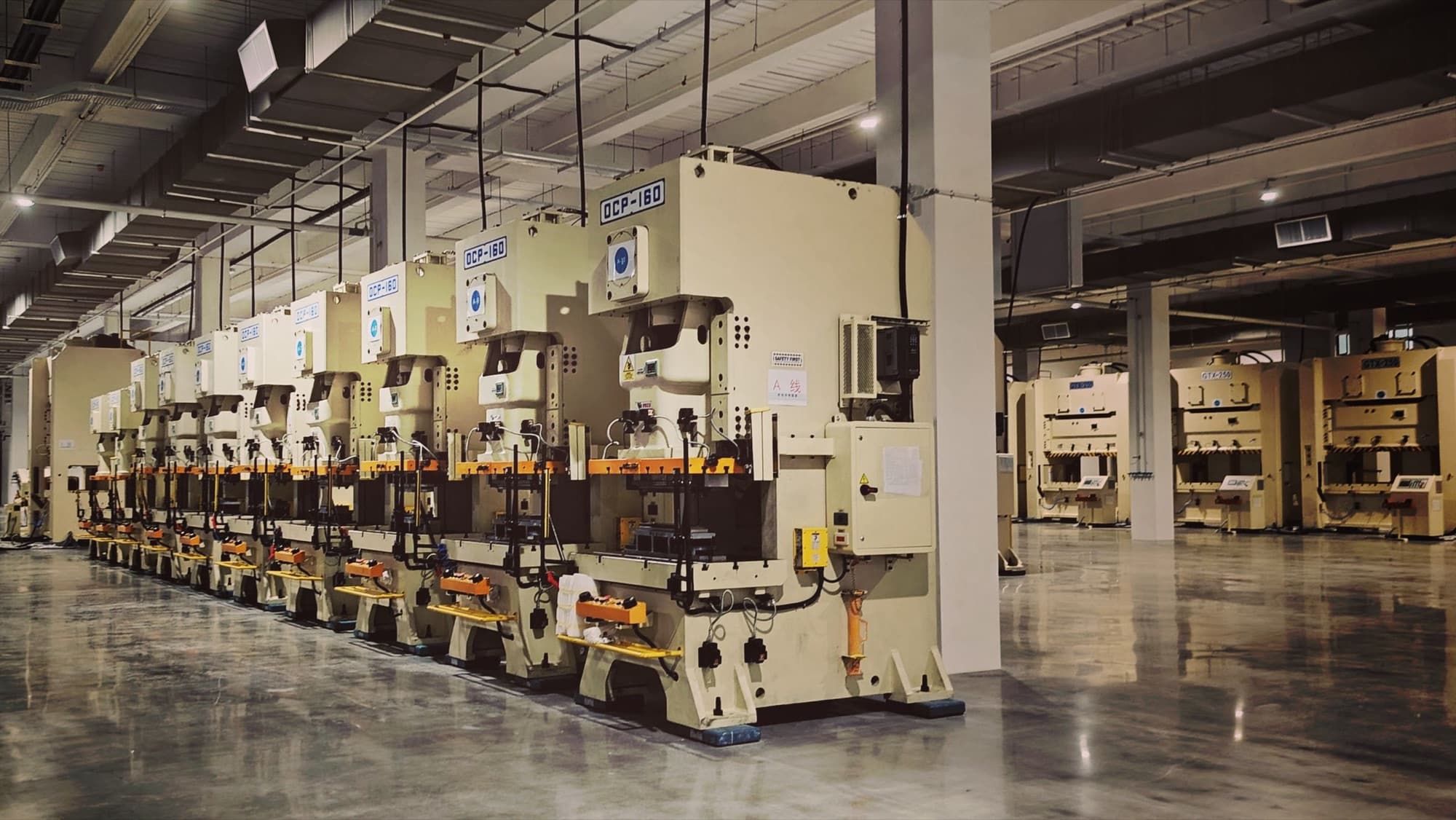
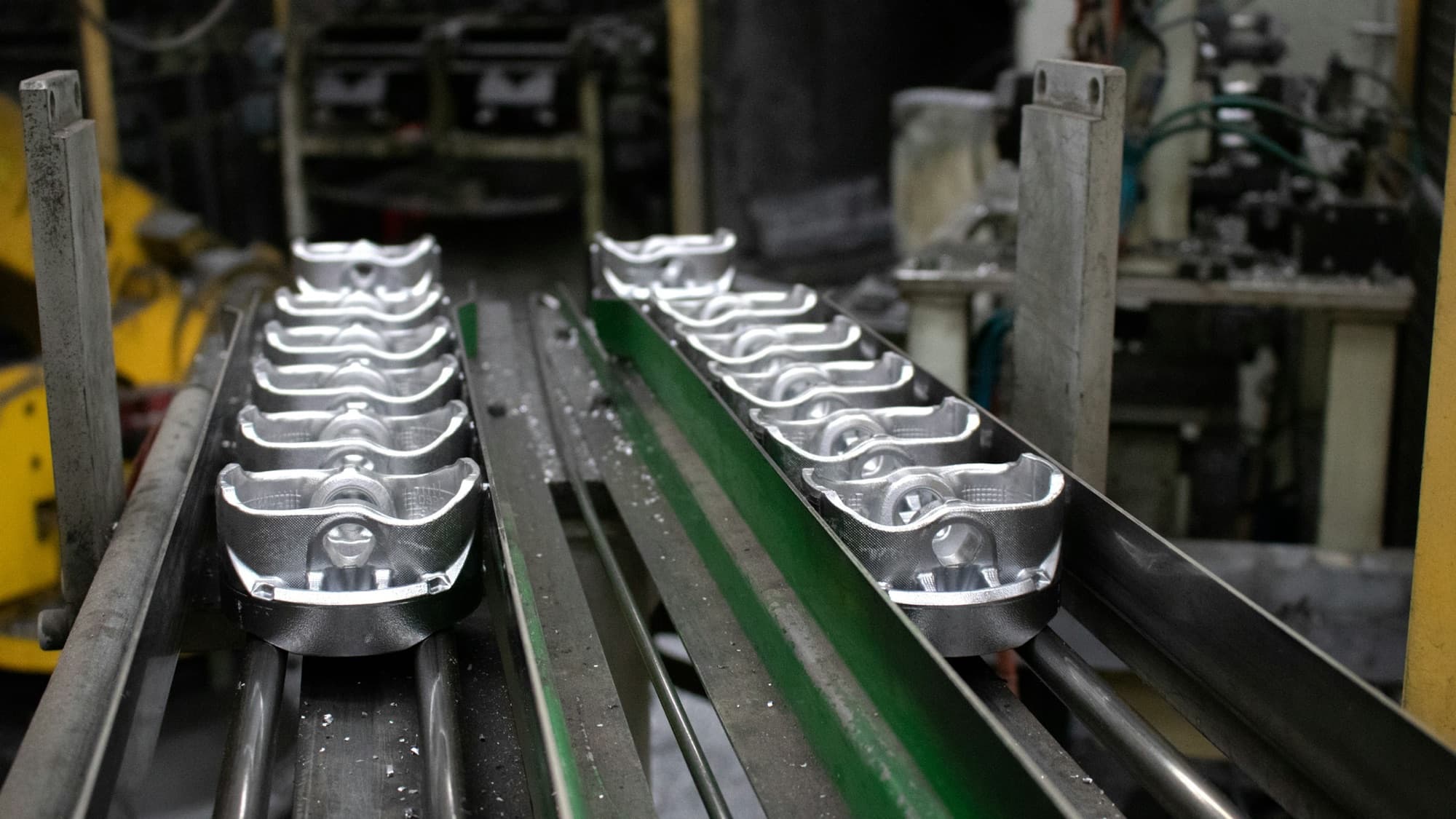
Small, deep parts run in progressive dies or eyelet presses, which carry the part through many stations in one machine. Larger shells run in transfer presses, where mechanical fingers move each part from die to die.
What is the limiting draw ratio in deep drawing?
The draw ratio is blank diameter divided by punch diameter. For a first draw in drawing-quality low-carbon steel, the practical limit is about 1.8–2.0. Shops more often talk in percent reduction, (1 − d/D) × 100, where D is the starting diameter and d is the diameter after the draw.
| Stage | Max diameter reduction | Equivalent draw ratio |
|---|---|---|
| First draw | 40–45% | 1.67–1.82 |
| First redraw | 20–30% | 1.25–1.43 |
| Second redraw | 15–20% | 1.18–1.25 |
| Later redraws | 10–15% | 1.11–1.18 |
For a flat-bottom cylindrical cup with small corner radii, blank diameter is approximately D = √(d² + 4dh), where d is the cup diameter and h is its height. Add material for trim, because drawn cups develop an uneven top edge, called earing, from the sheet's grain direction.
Which metals are best for deep drawing?
| Material | Drawability | Notes |
|---|---|---|
| Low-carbon steel, ASTM A1008 DS or DDS | Excellent | Lowest cost and most common; plate or coat after forming |
| Stainless 305 | Very good | Higher nickel and slower work hardening than 304; preferred for deep stainless draws |
| Stainless 304 | Good | Work hardens fast; may need anneals between stages |
| Stainless 430 | Fair | Ferritic and magnetic; lower cost than 304 but less ductile |
| Aluminum 1100-O and 3003-O | Excellent | Soft and light, with lower strength |
| Aluminum 5052-H32 | Good | Stronger; needs generous radii |
| Cartridge brass C260 | Excellent | Named for drawn cartridge cases; good conductivity |
| Copper C110 | Excellent | Electrical and thermal parts |
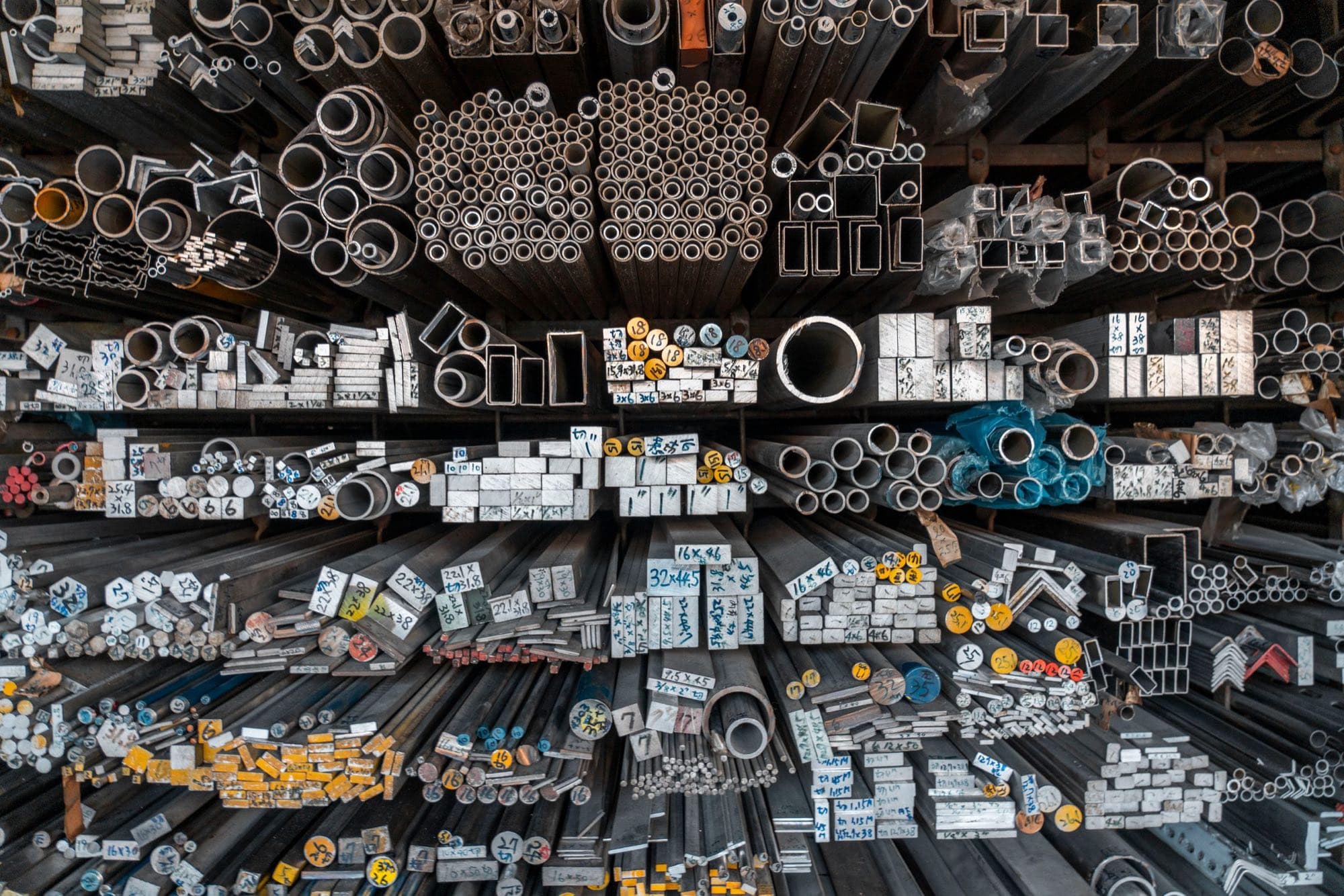
Typical stock runs from about 0.010 to 0.125 in (0.25 to 3.2 mm) thick. Sheet with a high plastic strain ratio, or r-value, resists thinning and draws deeper. Drawing and deep drawing grades cost slightly more than commercial steel and usually pay for themselves in fewer stages and less scrap.
What design rules and tolerances apply to deep drawn parts?
- Punch and die radii of about 4–10× material thickness. Too small tears the wall; too large lets the flange wrinkle.
- Expect the wall to thin about 10% near the bottom radius and thicken toward the open end unless it is ironed.
- Drawn walls need no draft; they come off the punch essentially parallel.
- Keep pierced holes clear of the bottom radius, and pierce after drawing so holes do not distort.
- Give rectangular shells generous corner radii; tight corners gather material and split.
- Leave off flanges if the design allows. Each flange adds a blank holder condition and a trim step.
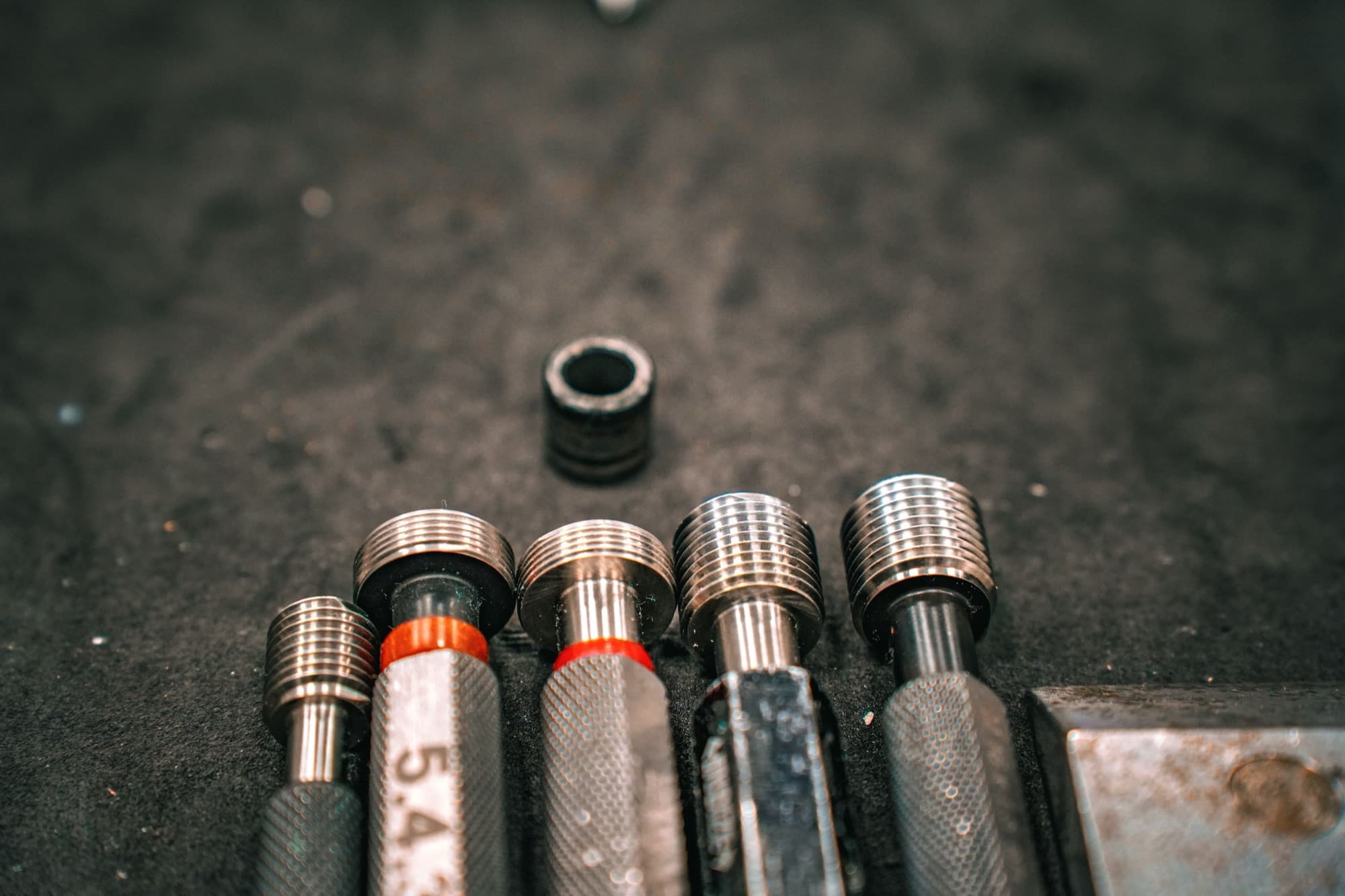
Typical tolerances on small drawn parts are about ±0.002 in (±0.05 mm) on diameter and ±0.005 in (±0.13 mm) on depth, with tighter wall tolerance when ironed. Large shells and stainless parts need more allowance.
How much do deep drawn parts cost?
Tooling is the main up-front cost. A simple one- or two-stage cup die often runs about $10,000–$30,000, while multi-stage progressive or transfer tooling for a complex shell can reach $50,000–$200,000 or more. Once tooling is paid for, piece prices are low, often cents to a few dollars depending on size, material, and secondary work.
- Number of draw stages and anneals.
- Material grade and thickness; stainless and nickel alloys cost more and wear tooling faster.
- Press type and speed: eyelet and progressive work runs faster than transfer work.
- Secondary operations: trimming, piercing, threading, cleaning, and plating.
- Tolerance and cosmetic requirements that force slower speeds or added inspection.
When is deep drawing the wrong process?
| Process | Typical volume | Tooling | Best for |
|---|---|---|---|
| Deep drawing | 10,000 to millions per year | High | Lowest piece cost, uniform walls, no seam |
| Metal spinning | 1 to about 5,000 | Low | Large diameters, cones, prototypes |
| Machining from bar or tube | 1 to low thousands | None | Thick walls, tight tolerances, short runs |
| Tube with welded or crimped end | 100 to tens of thousands | Low | Long cylinders where a seam is acceptable |
| Impact extrusion | 10,000 and up | High | Aluminum cans with thick bottoms and thin walls |
Below roughly 5,000–10,000 parts, spinning or machining usually costs less in total. Hydroforming is another option for shapes that are hard to draw in conventional dies.
How do you get a deep drawn part quoted?
Upload a STEP file or configure the part in the SSG builder at /build for an instant budgetary estimate and a DFM check on draw depth, radii, and material. Include annual volume, material specification, and any plating or leak-test requirements. An SSG rep then routes the RFQ to deep draw principals matched to the diameter, depth, material, and volume, and returns firm quotes.