Loading page
Core line, represented 25+ years
How do stamping and fabrication shops source parts they don't make in-house?
Stamping and fabrication shops outsource overflow work and processes they don't run: deep draws, castings, forgings, springs, machined inserts, and molded trim. They need a source that quotes to their customer's print and ships on their schedule. SSG gives shops one RFQ path to principals with that capacity, including principals that can take over customer-owned tooling.
- Part families
- 12
- Processes
- 8
- Materials
- 9
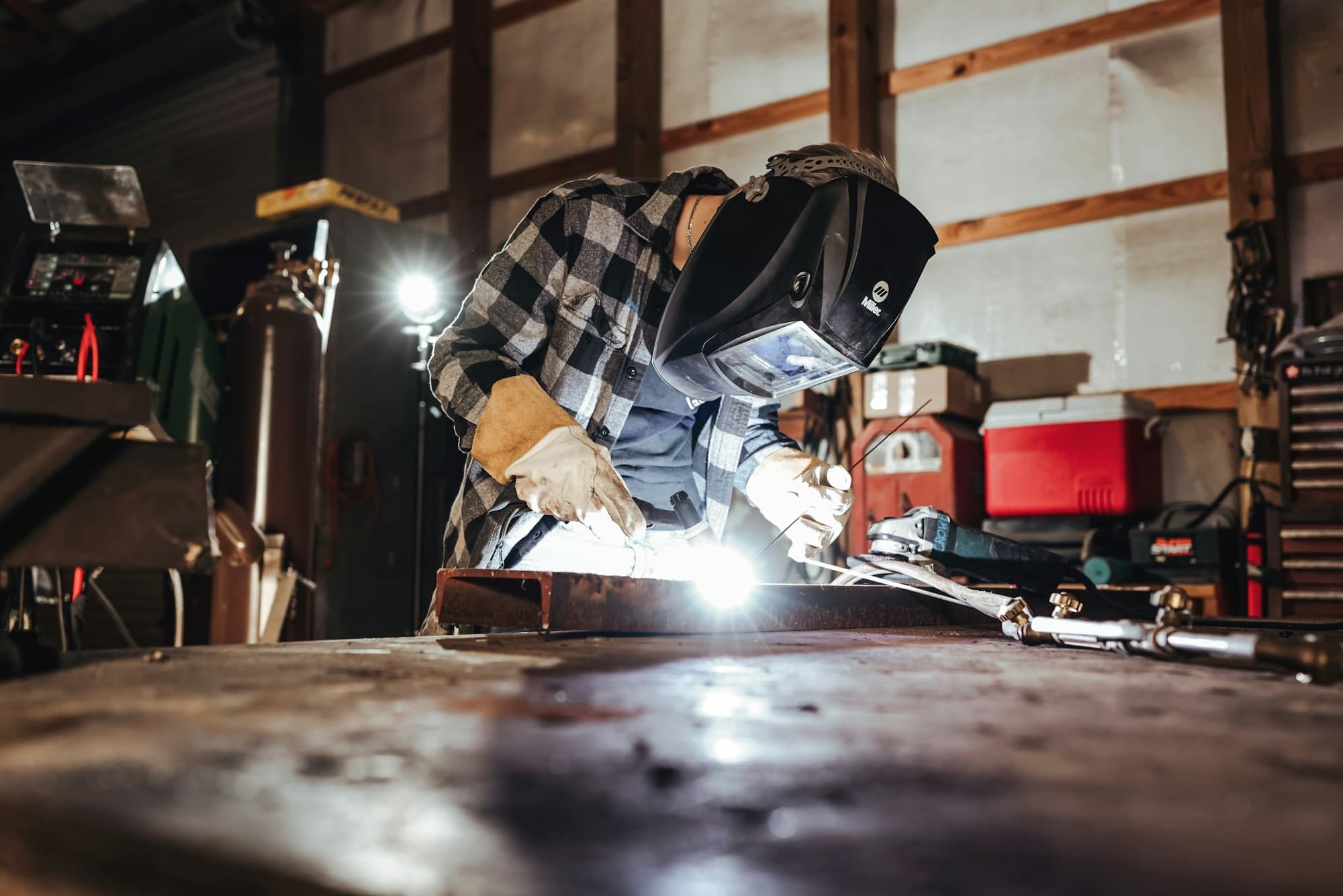
Parts we source for this industry
- 01Overflow progressive-die brackets and clips
- 02Deep drawn cups, cans, and shells
- 03Machined weld bosses and threaded inserts
- 04Forged clevises and eye ends
- 05Extension and compression springs for assemblies
- 06Rubber edge trim and grommets
- 07Die cast handles and knobs
- 08Screw machined hinge pins and shoulder bolts
- 09Laser cut and formed gussets and tabs
- 10Cast iron weld fixture bases
- 11Molded plastic end caps and plugs
- 12Powder metal bushings and spacers
How these parts are made
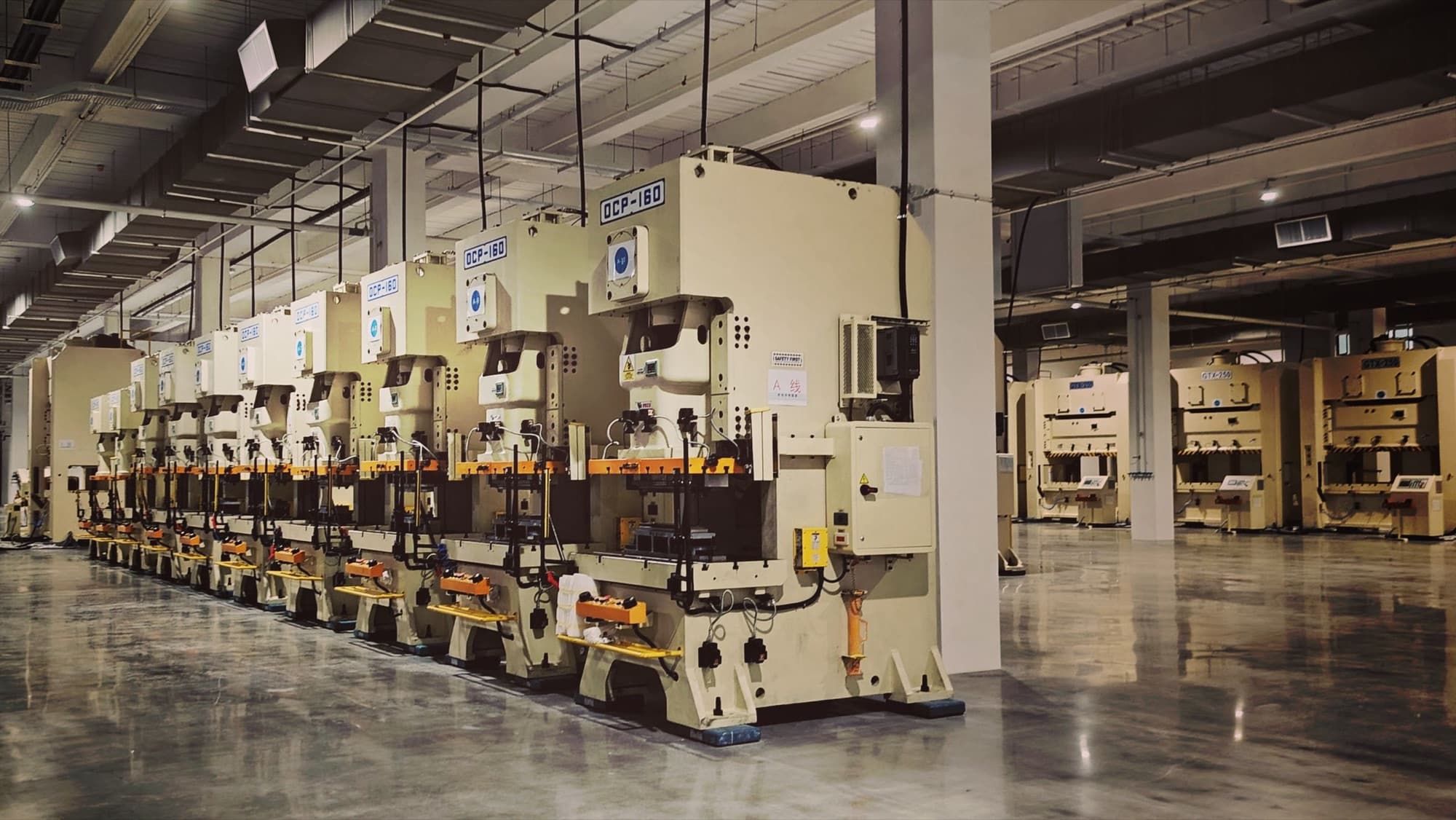 Stamping
Short- to medium-run stampings: brackets, clips, shields, and plates cut and formed from sheet or coil in a press.
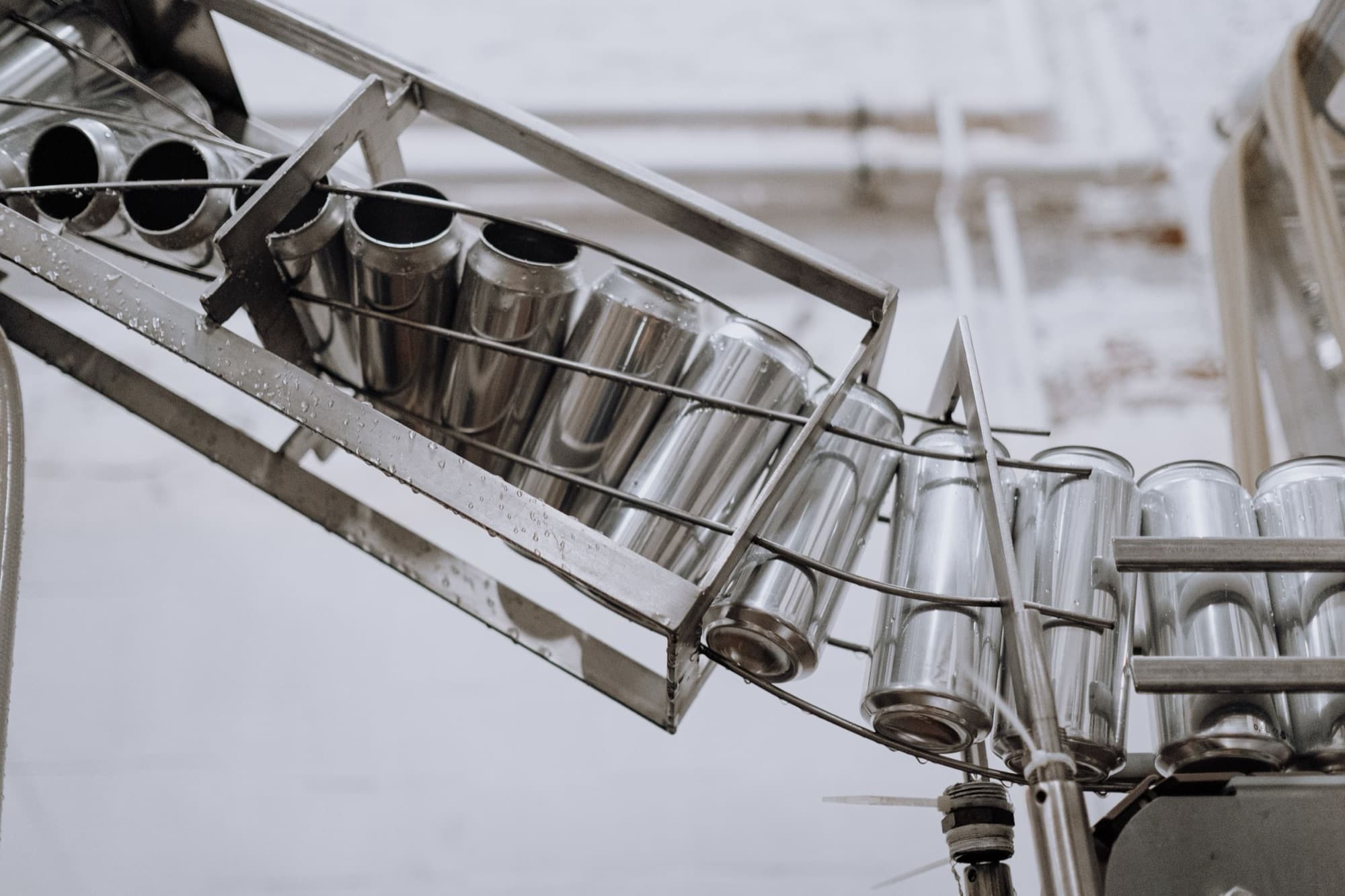 Deep draw
One-piece cups, cans, shells, and housings drawn from flat blanks, with depth that can exceed the diameter.
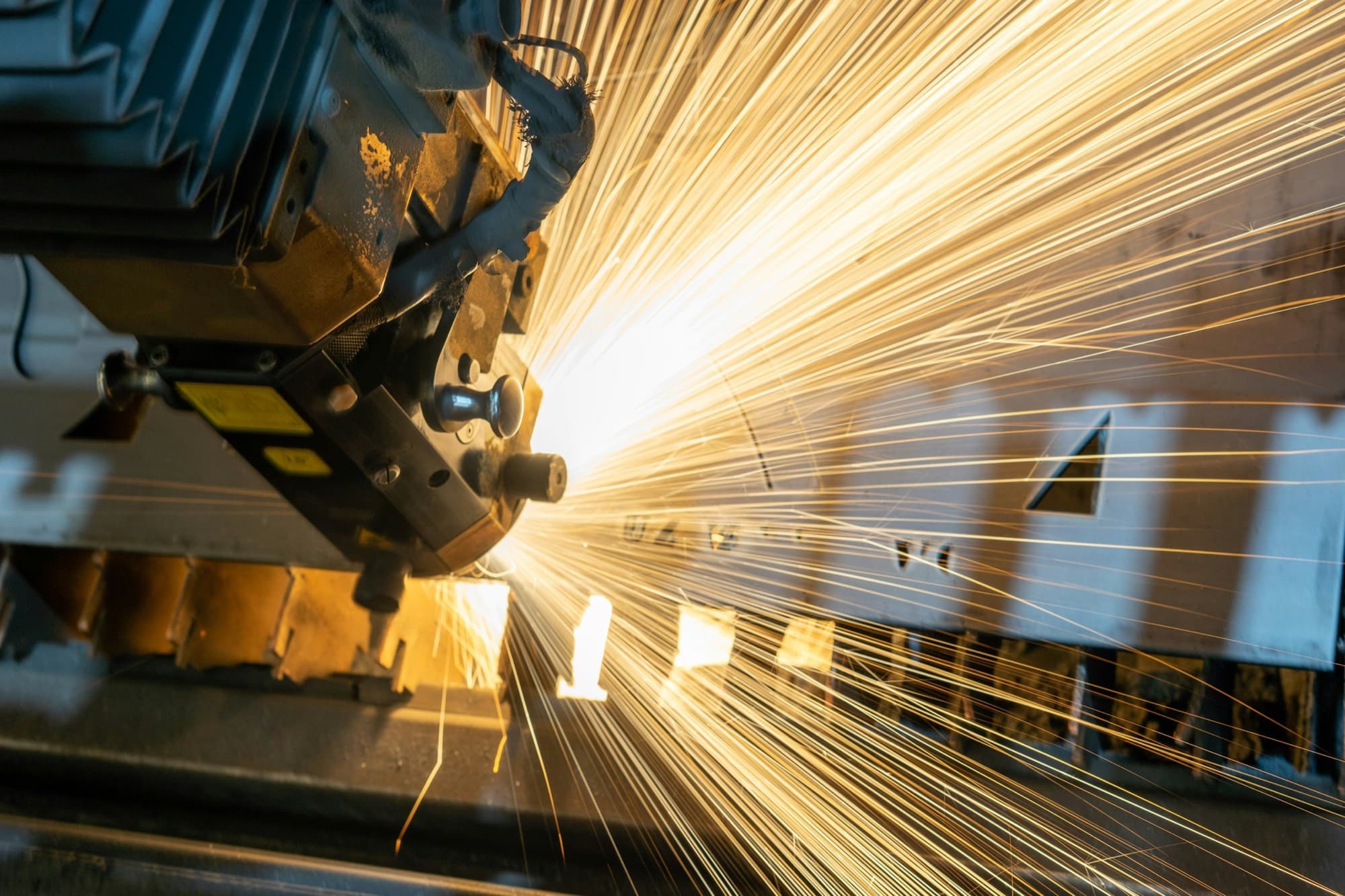 Sheet metal
Laser-cut, punched, bent, and welded sheet metal enclosures, brackets, and chassis with no hard tooling.
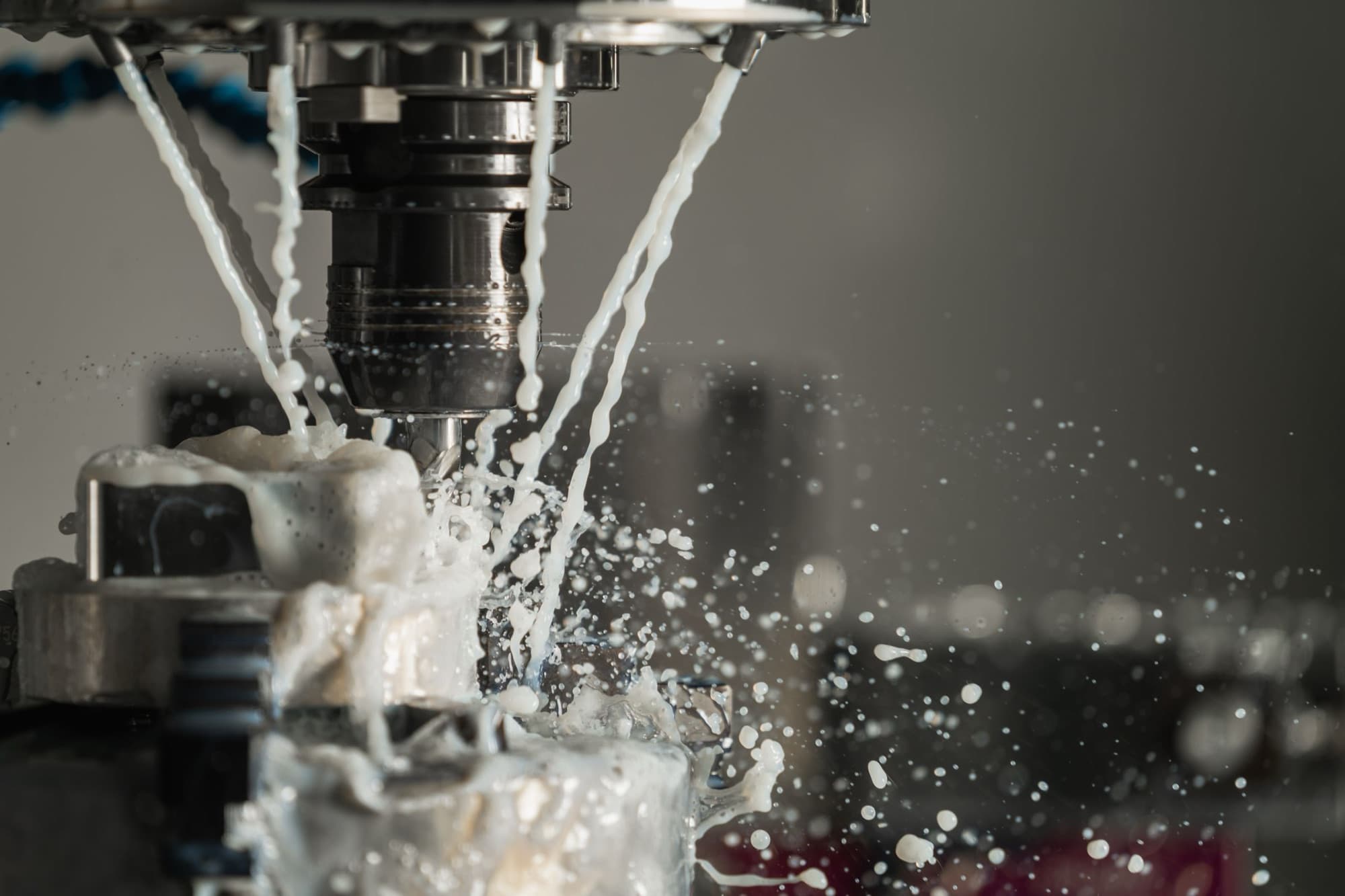 CNC machining
CNC milling, turning, and production sawing from bar, plate, castings, and forgings, from prototype to production.
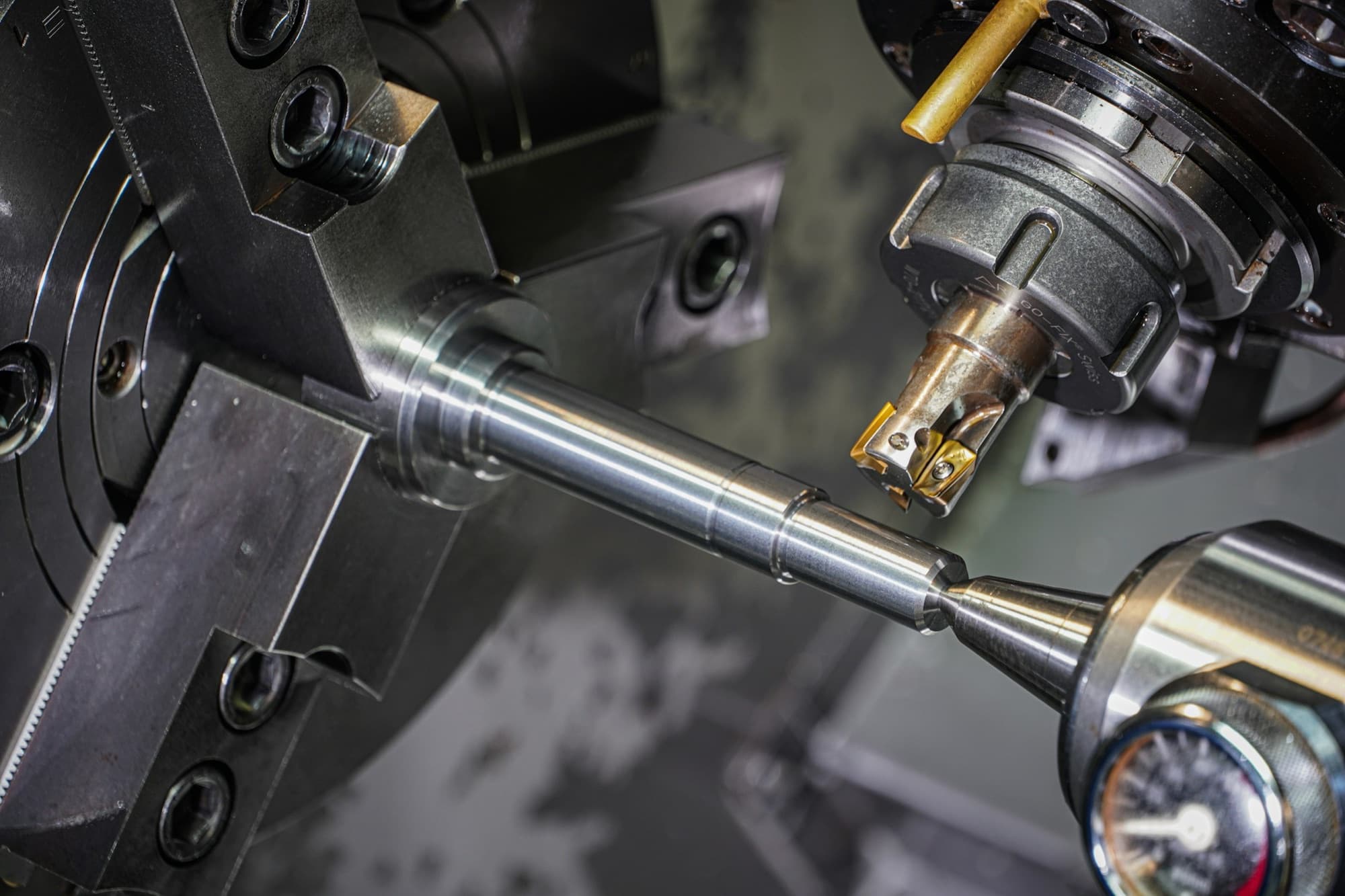 Screw machining
Turned pins, fittings, shafts, and bushings made from bar stock on multi-spindle and Swiss screw machines at volume.
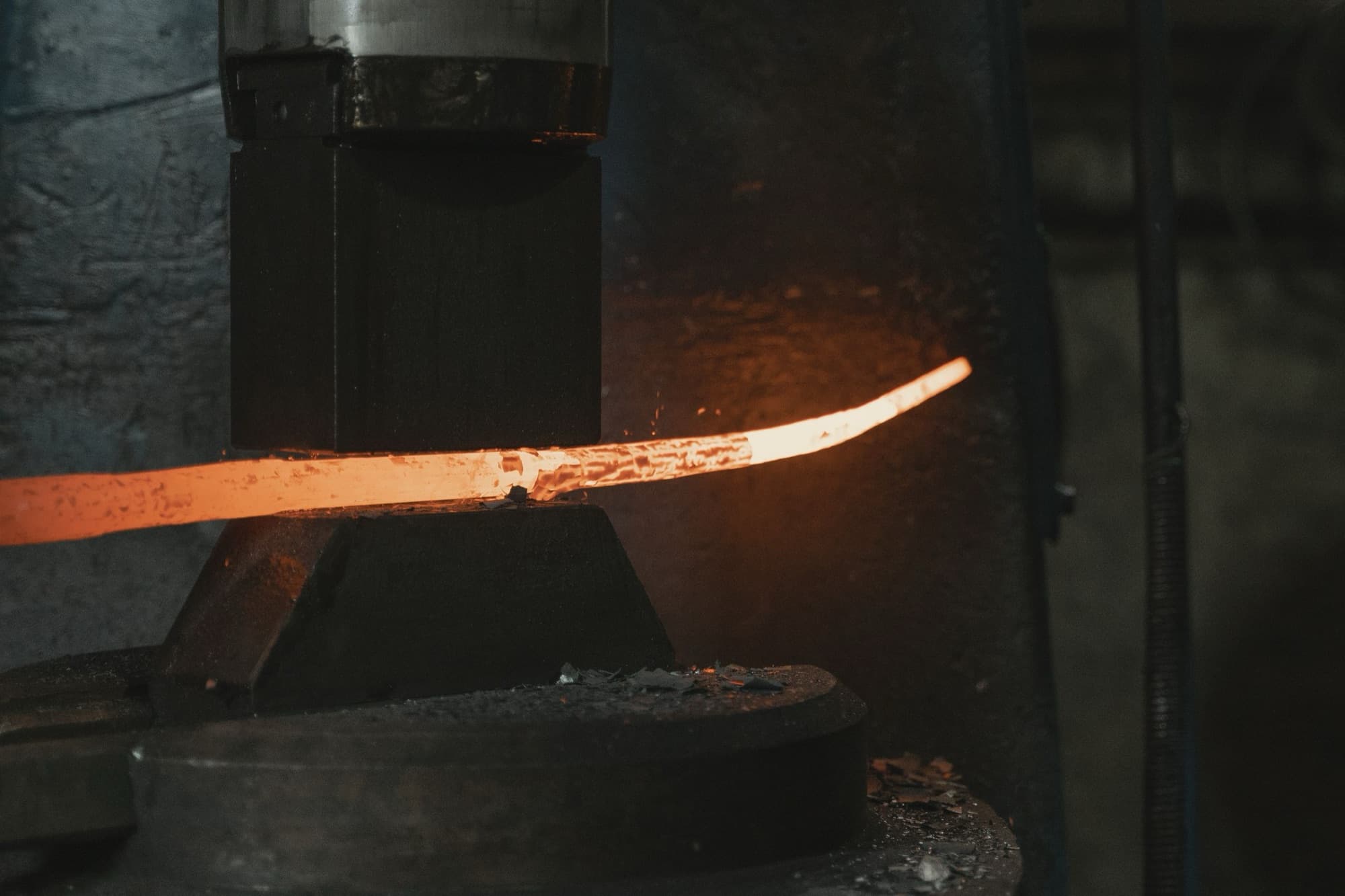 Forging
Closed-die and open-die forgings in carbon, alloy, and stainless steel and aluminum, with grain flow for strength.
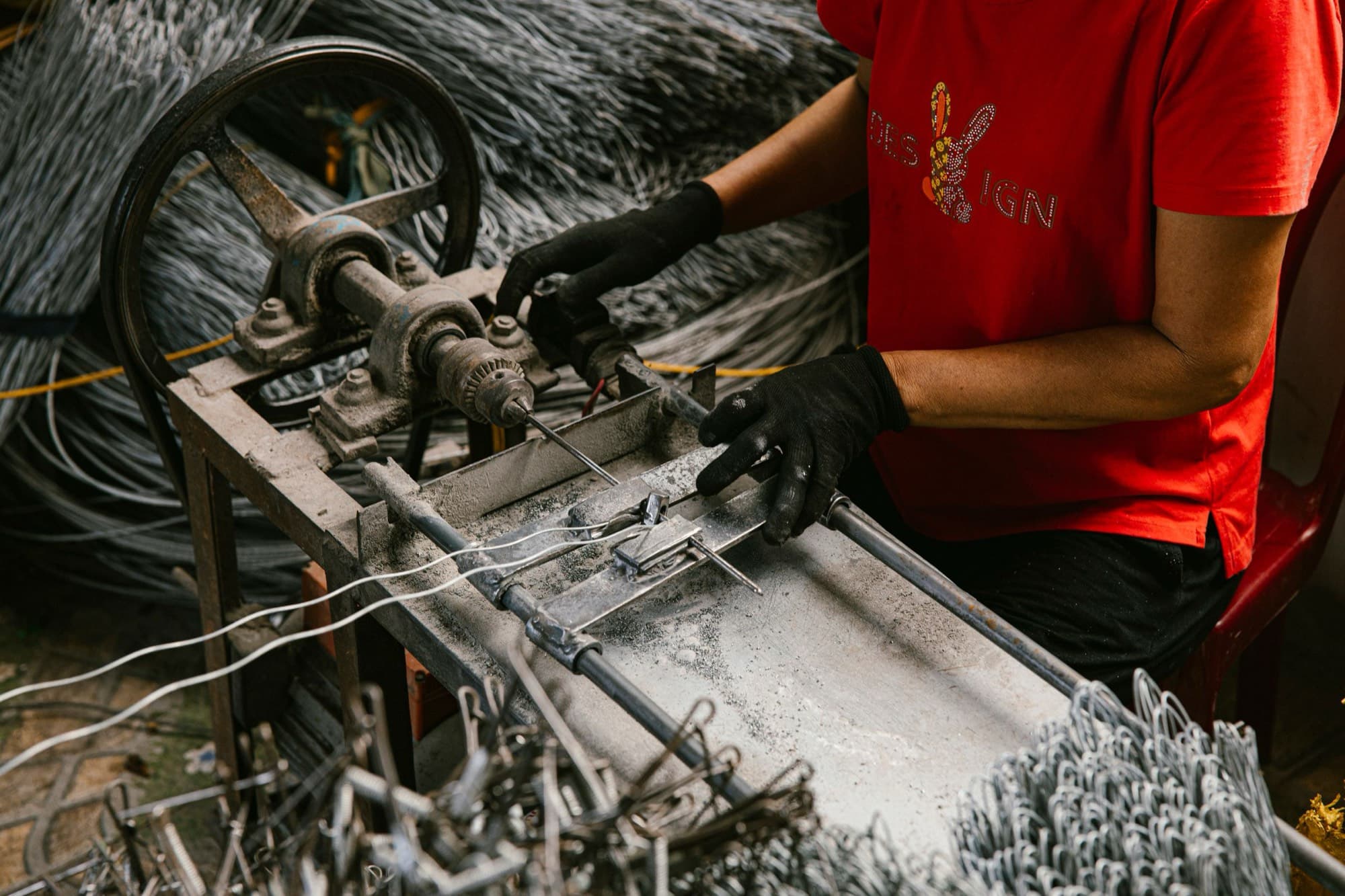 Springs & wire forms
Compression, extension, and torsion springs, wire forms, and fourslide clips made from round wire and flat strip.
 Die casting
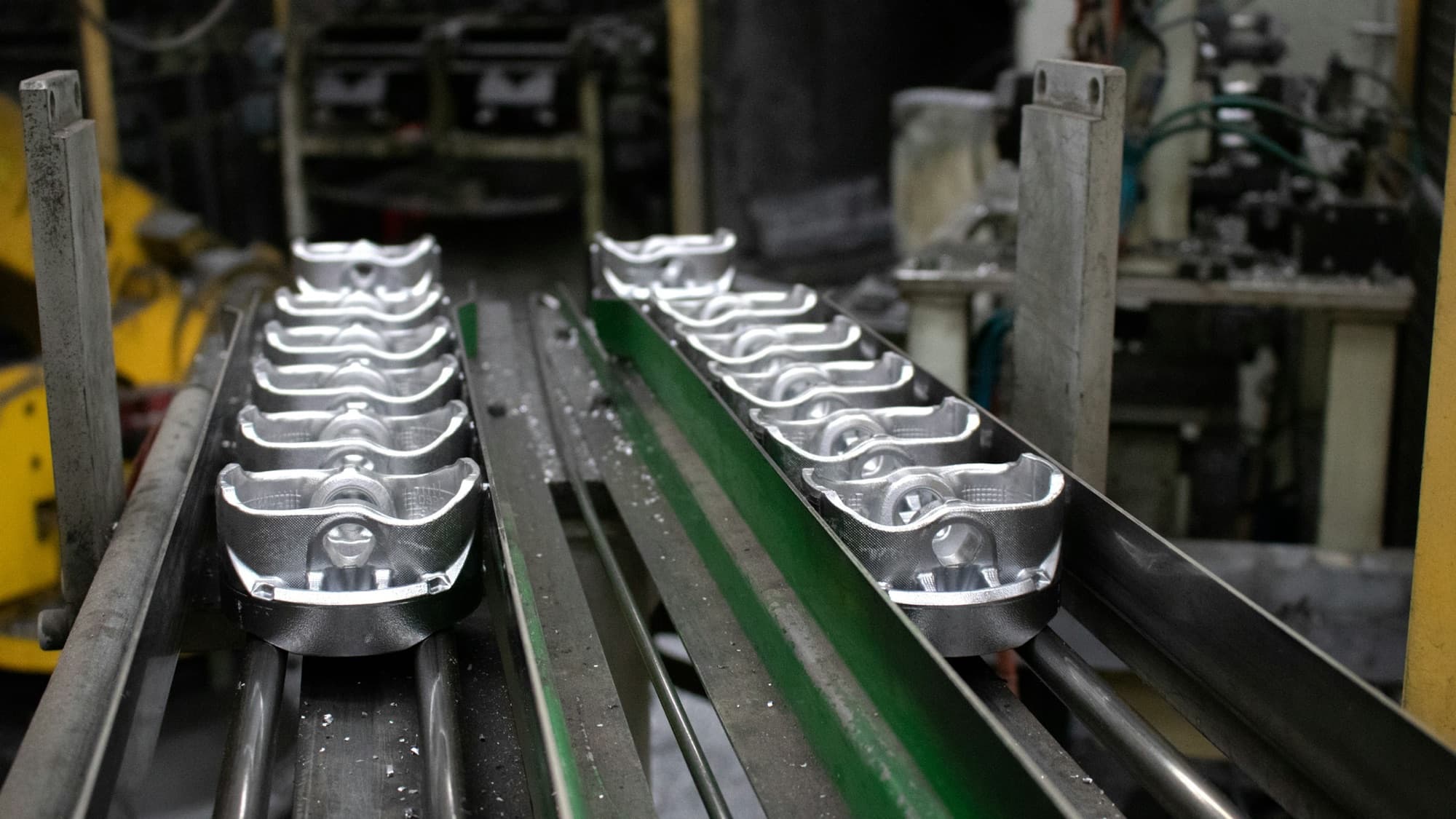
Molten zinc or aluminum injected into steel dies at high pressure. Thin walls and net shape at 2,500+ parts a year.
Which of these pays off at your quantity?
Parts per order
6 processes are at their best at this quantity, and 2 more can do it.
Drag to your quantity


What suppliers are held to
Print and flowdown
Your customer's drawing, revision, and quality clauses flow to the outside source. Formed features typically hold ±0.010 in (±0.25 mm) and GD&T follows ASME Y14.5, so the RFQ should carry the full print, not a sketch.
Material traceability
Mill test reports with heat numbers are expected for steel and aluminum, such as ASTM A1008 cold rolled sheet or ASTM A36 plate. Certs should follow the parts through plating and heat treat.
Welding standards
Welded assemblies are usually built to AWS D1.1 for structural steel, D1.3 for sheet steel, or D1.2 for aluminum. Programs that require certified welders go to principals that keep welder qualification records.
Tooling transfer
Moving existing dies to a new source means a tooling condition review, a tryout, and a first article before release. Written tooling ownership records prevent disputes when tools change hands.
Questions
When should a fab shop outsource a part instead of making it?
When the part needs a process you don't run, when volume justifies hard tooling you don't own, or when your presses and brakes are booked. A deep drawn cup at volume, for example, usually beats a rolled-and-welded one on both cost and leak tightness.
Can a principal run our existing customer-owned dies?
Often, yes. The principal needs the die or its drawings for review, press tonnage and shut height data, and the part print. Expect a tryout and first article inspection before production parts ship.
What is the difference between a stamping and a fabricated part?
A stamping is made in a dedicated die, so it carries tooling cost and a low piece price. A fabricated part is laser cut, bent, and welded with general tooling, so it has little or no tooling cost and a higher piece price. The crossover is usually in the low thousands of parts per year.
Send us the part.
Build it or upload a drawing. A rep routes it to principals already making parts for this industry.