Loading page
Core line, represented 25+ years
How do health care product companies source medical-grade components?
Health care product companies source housings, silicone seals, machined stainless and titanium parts, springs, and soft goods from principals that control materials and changes. Patient-contacting parts need biocompatible materials, and many programs require ISO 13485. SSG matches health care programs to principals that hold the certification and cleanliness controls the device requires.
- Part families
- 12
- Processes
- 8
- Materials
- 10

Parts we source for this industry
- 01Molded housings for monitors and home-care devices
- 02Silicone seals, valves, and diaphragms
- 03Machined stainless and titanium components
- 04Hospital bed and cart brackets
- 05Caster, brake, and lift mechanism springs
- 06Wheelchair and walker components
- 07Overmolded TPE grips and handles
- 08Sewn slings, straps, braces, and pads
- 09Die cast and machined aluminum frames
- 10Stamped stainless brackets and clips
- 11Molded casters and glides
- 12Precision screw machined pins and shafts
How these parts are made
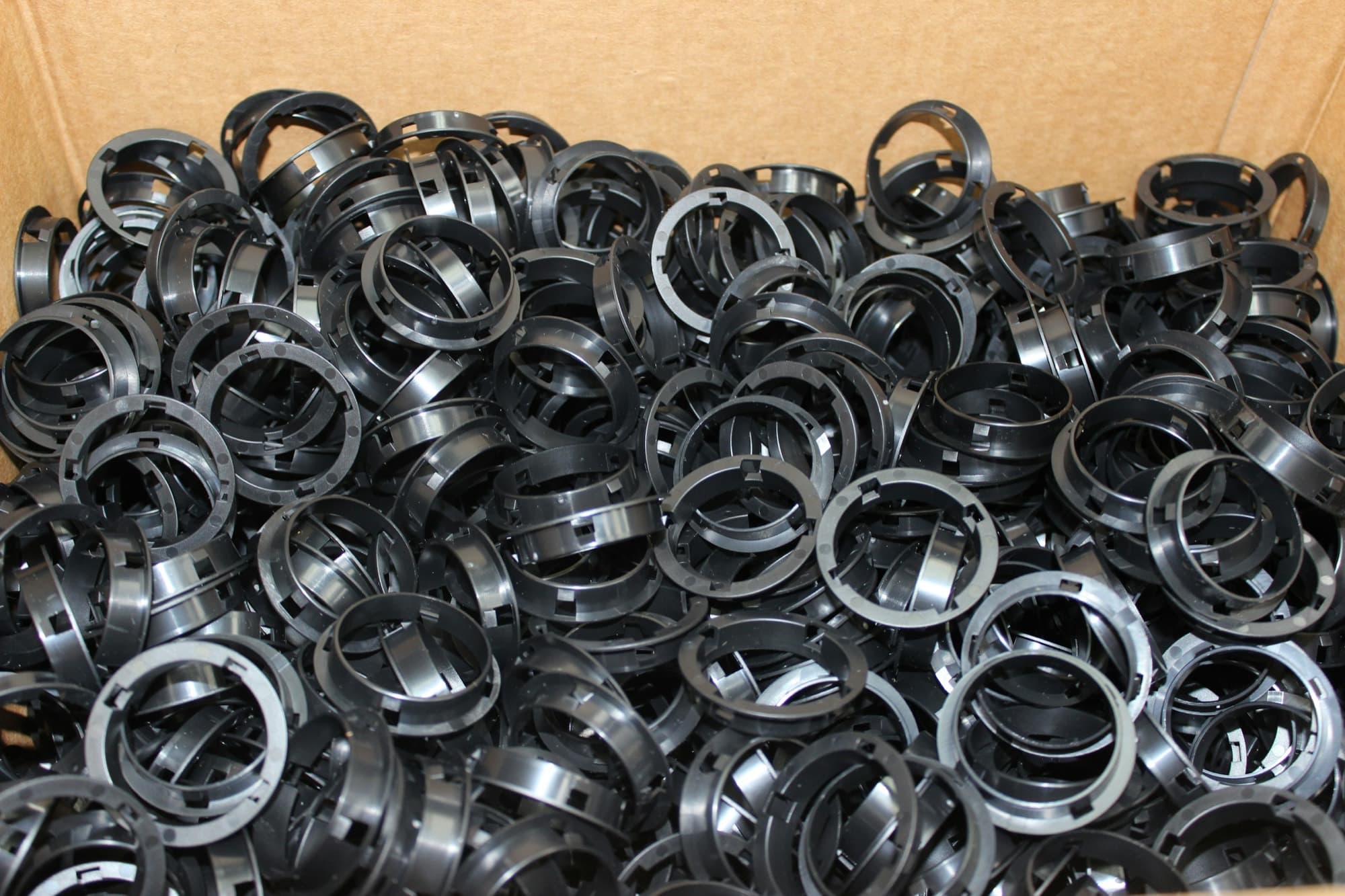 Injection molding
Molten thermoplastic injected into a steel or aluminum mold. Lowest piece price for plastic parts at 5,000+ a year.
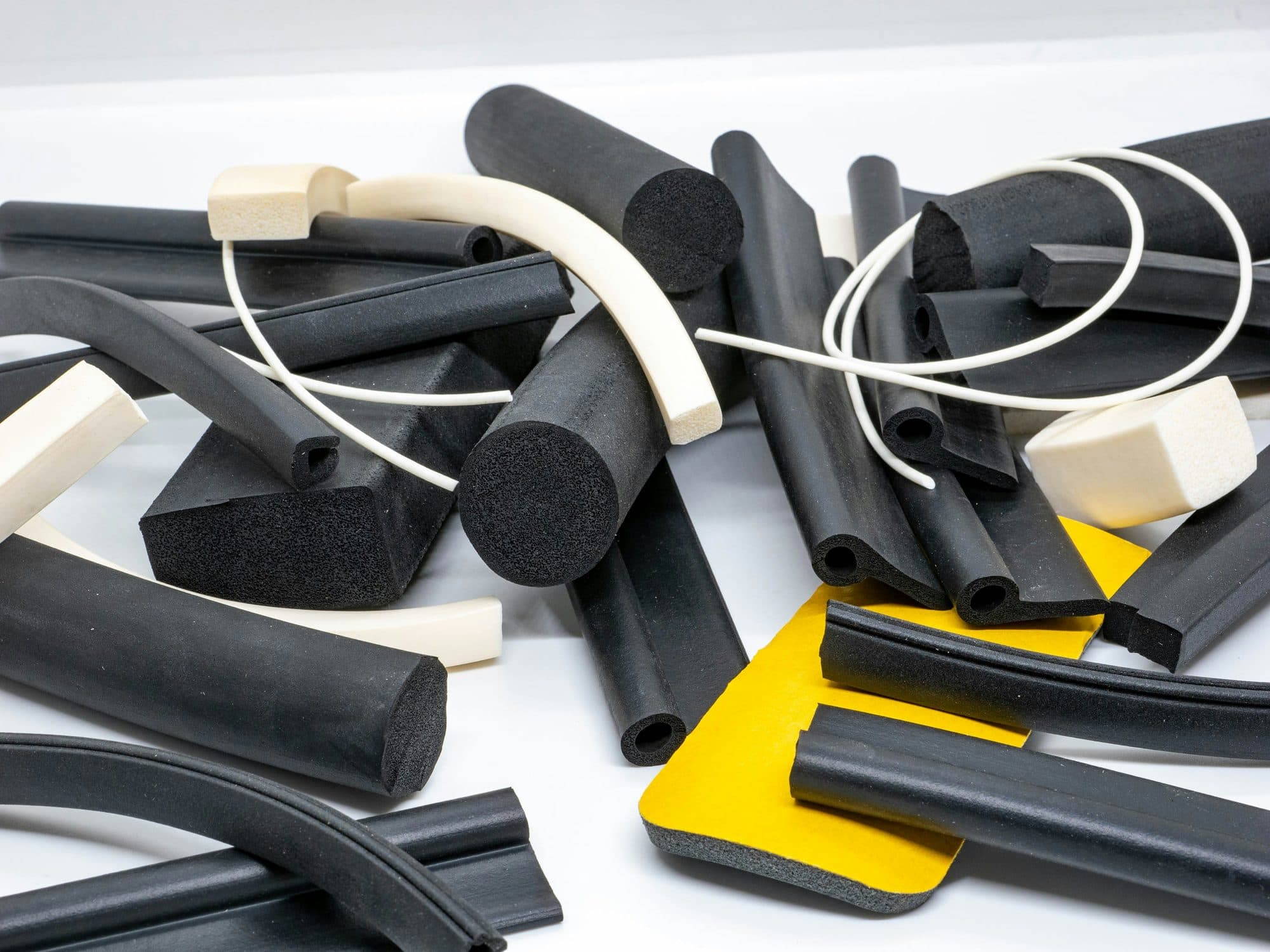 Rubber
Seals, gaskets, grommets, and profiles extruded or molded in EPDM, silicone, nitrile, neoprene, FKM, and TPE.
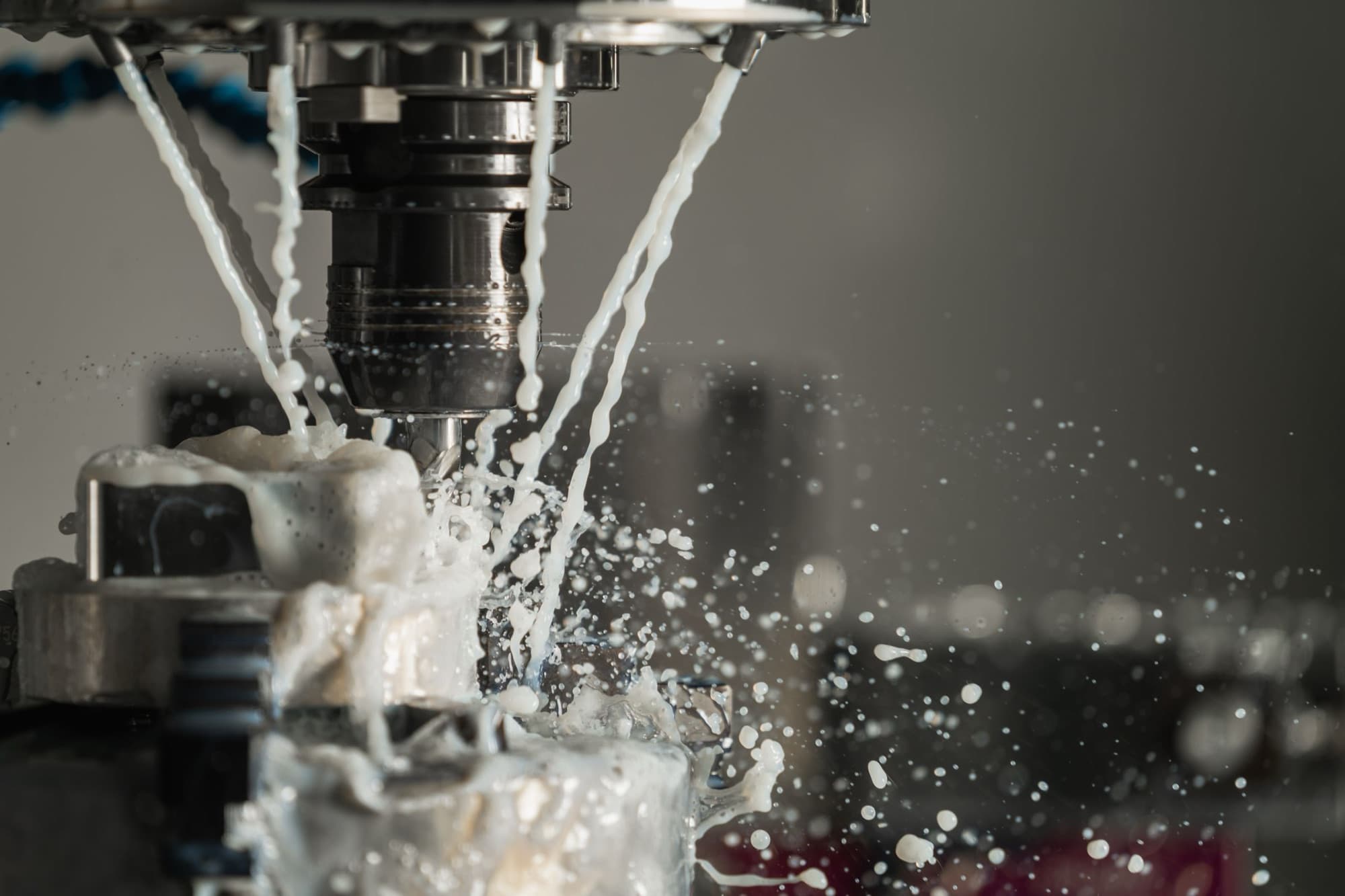 CNC machining
CNC milling, turning, and production sawing from bar, plate, castings, and forgings, from prototype to production.
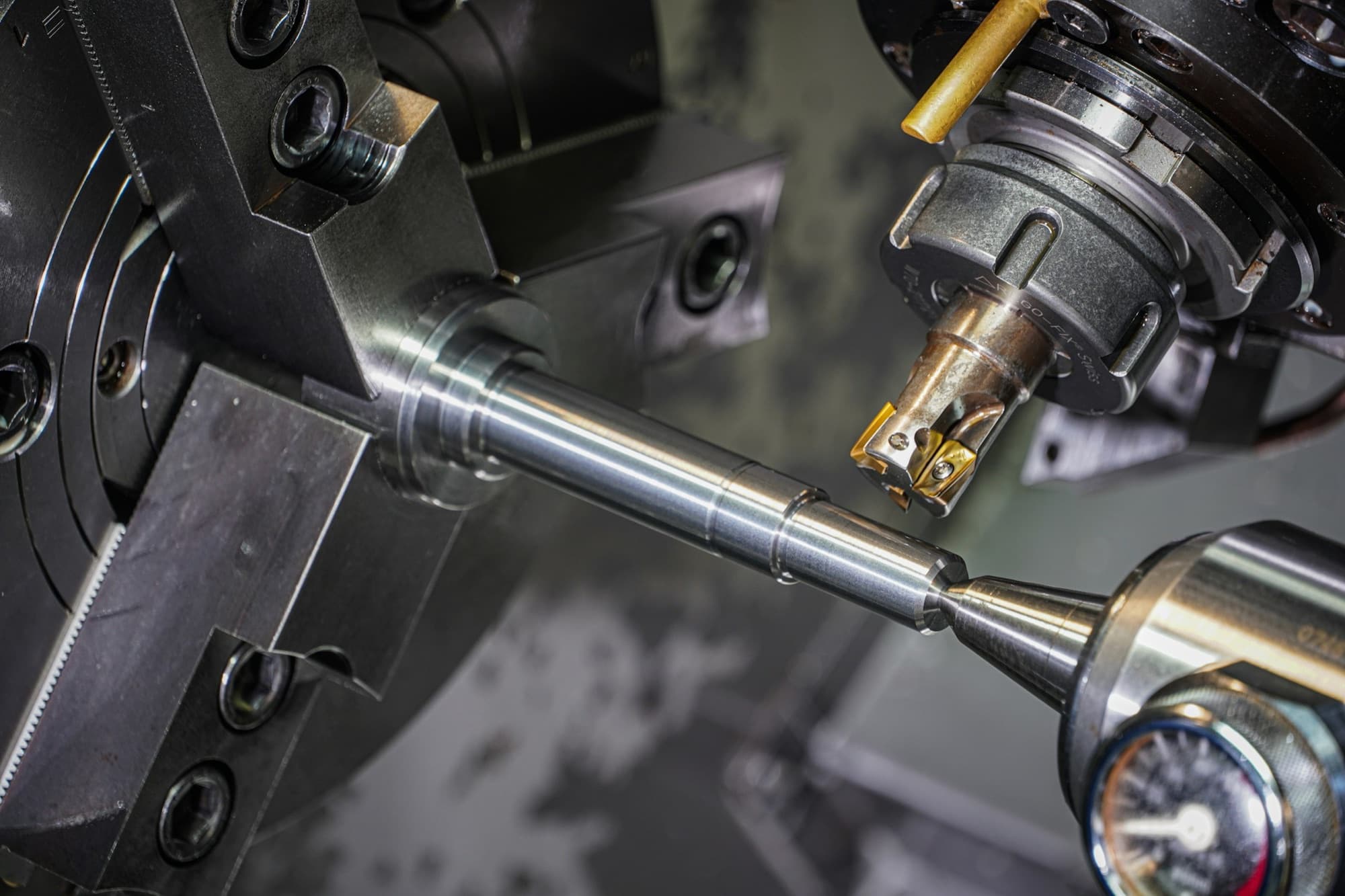 Screw machining
Turned pins, fittings, shafts, and bushings made from bar stock on multi-spindle and Swiss screw machines at volume.
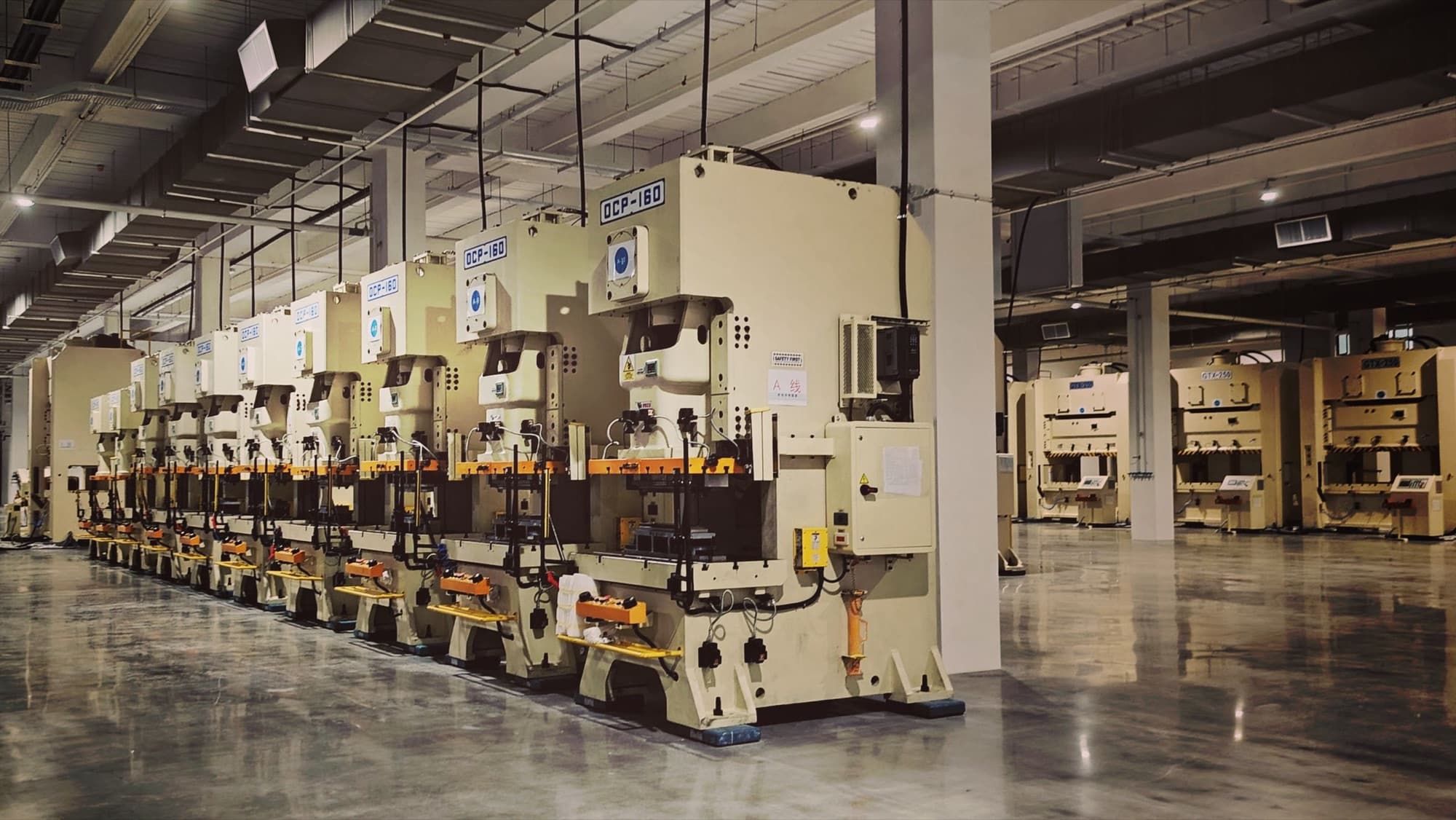 Stamping
Short- to medium-run stampings: brackets, clips, shields, and plates cut and formed from sheet or coil in a press.
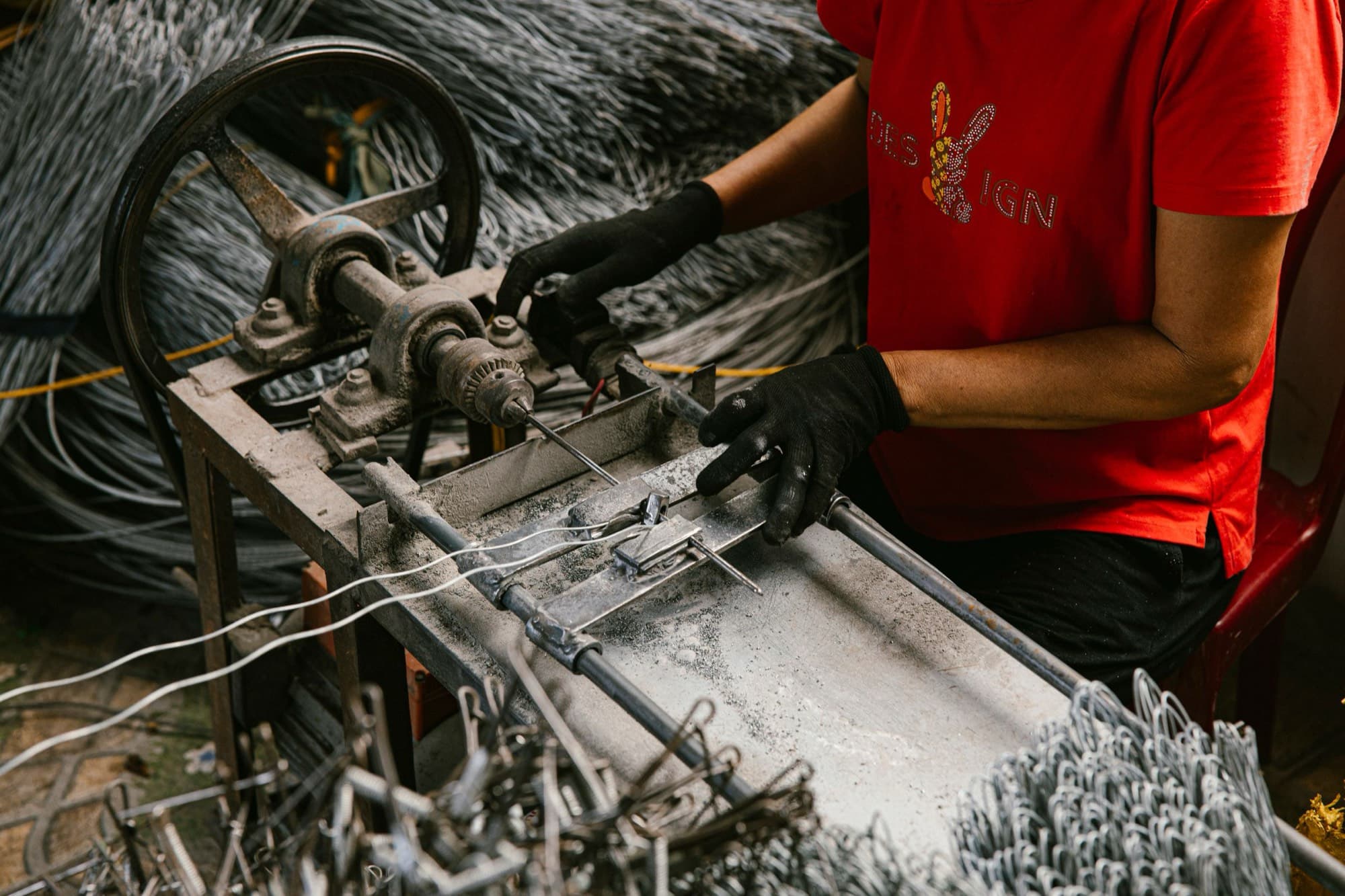 Springs & wire forms
Compression, extension, and torsion springs, wire forms, and fourslide clips made from round wire and flat strip.
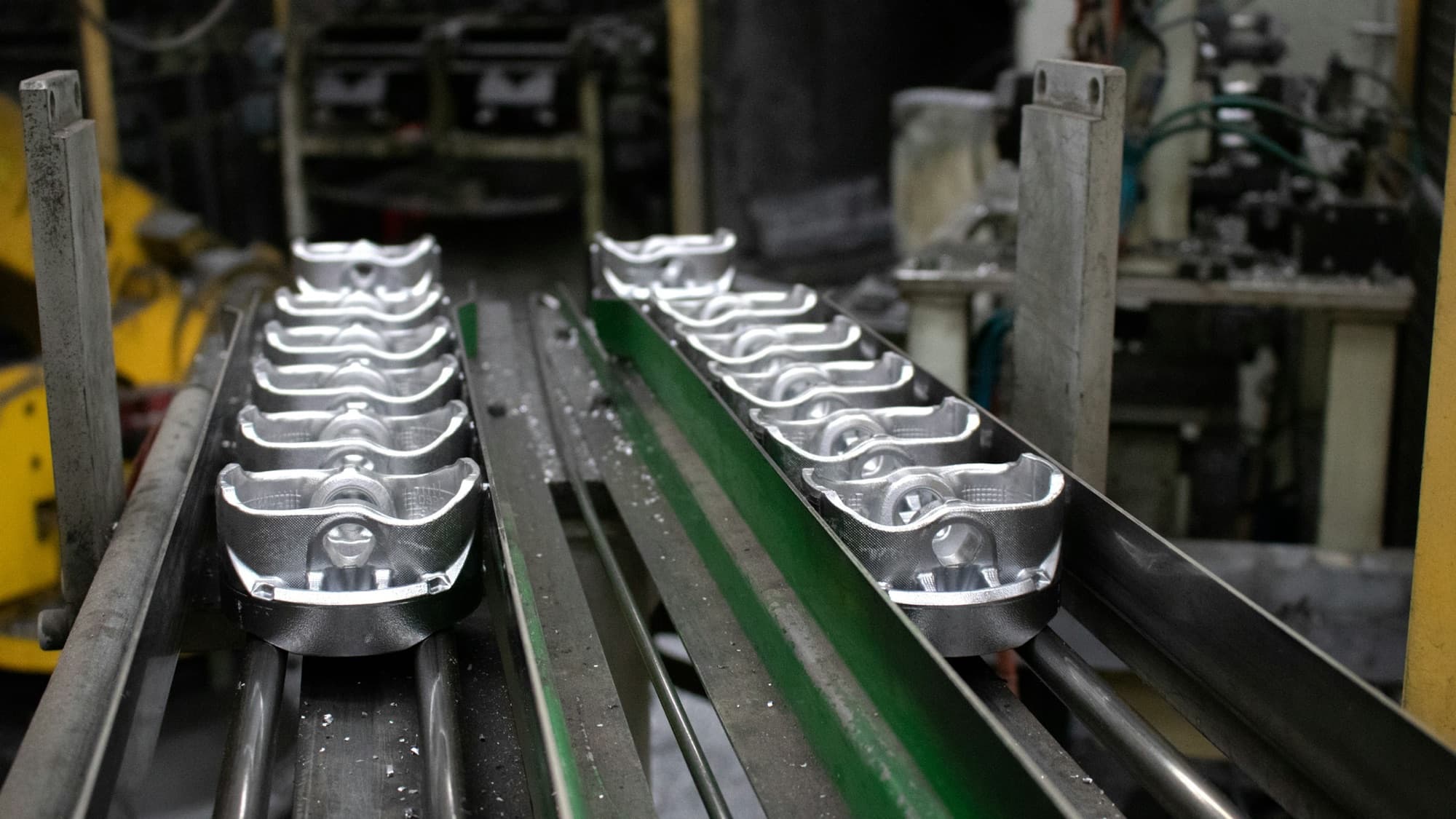 Die casting
Molten zinc or aluminum injected into steel dies at high pressure. Thin walls and net shape at 2,500+ parts a year.
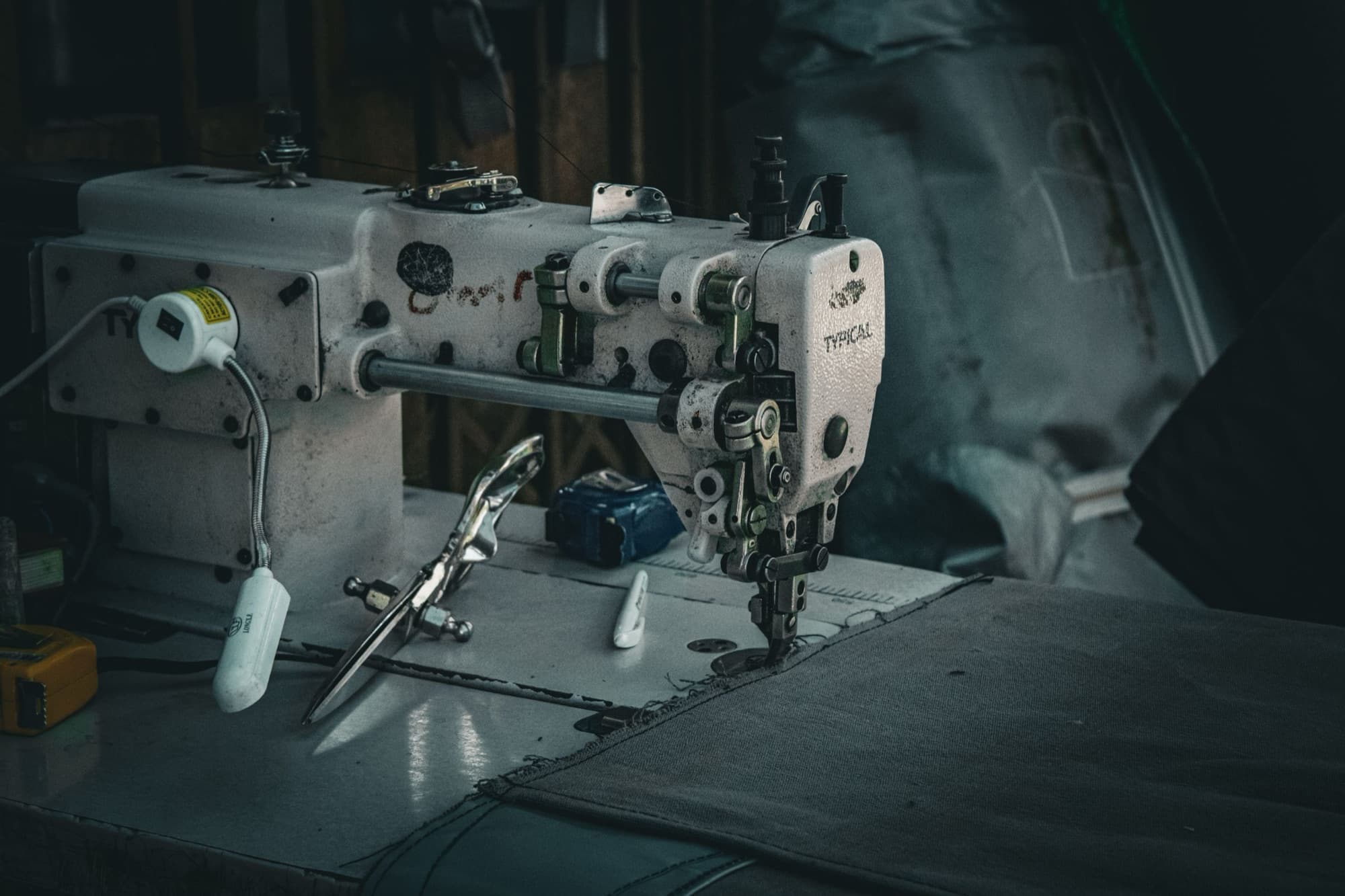 Soft goods
Cut-and-sewn covers, bags, cases, straps, cushions, and industrial textiles, from pattern development to production.
Which of these pays off at your quantity?
Parts per order
6 processes are at their best at this quantity, and 2 more can do it.
Drag to your quantity


What suppliers are held to
Quality system
Many device makers require ISO 13485 of component suppliers, especially for patient-contacting or critical parts. The FDA's Quality Management System Regulation in 21 CFR Part 820 now incorporates ISO 13485. SSG matches programs to principals that hold ISO 13485 where the device requires it.
Biocompatibility
Patient-contacting materials are evaluated under ISO 10993-1, and many resins and silicones are supplied with USP Class VI data. Medical-grade material lots are traceable, and resin changes require notification.
Cleaning and cleanliness
Housings must withstand hospital disinfectants without stress cracking, and some parts are molded or packaged in ISO 14644-1 cleanrooms, commonly Class 7 or Class 8.
Process validation and change control
Critical processes are validated through IQ, OQ, and PQ, and no change to material, tooling, or process is made without the customer's approval.
Medical electrical equipment
Powered devices are tested to IEC 60601-1, which sets enclosure, flammability, and creepage requirements that flow down to molded and machined parts.
Questions
Do component suppliers need ISO 13485?
Not always. The device maker holds regulatory responsibility and decides which suppliers need it. Critical and patient-contacting parts usually come from ISO 13485 suppliers, while brackets and noncontact parts often come from ISO 9001 suppliers.
What is IQ/OQ/PQ?
Installation, operational, and performance qualification: proof that equipment is installed correctly, that the process makes good parts across its operating window, and that it does so consistently in production. Device makers expect it for molding and other critical processes.
Which plastics resist hospital disinfectants?
Polypropylene, PBT, and chemically resistant copolyesters handle most disinfectants well. Standard PC and PC/ABS can stress crack under quats and alcohols, so use grades tested against the disinfectants named in the device's cleaning instructions.

Send us the part.
Build it or upload a drawing. A rep routes it to principals already making parts for this industry.