Loading page
Core line, represented 25+ years
How do water treatment manufacturers source NSF-compliant components?
Water treatment manufacturers source control valve bodies, filter housings, and fittings from molders running NSF-listed resins, plus seals, springs, and machined parts in compliant materials. Every wetted material must pass NSF extraction testing for the system's certification. SSG matches programs to principals that already mold and machine parts for certified water treatment products.
- Part families
- 12
- Processes
- 7
- Materials
- 9
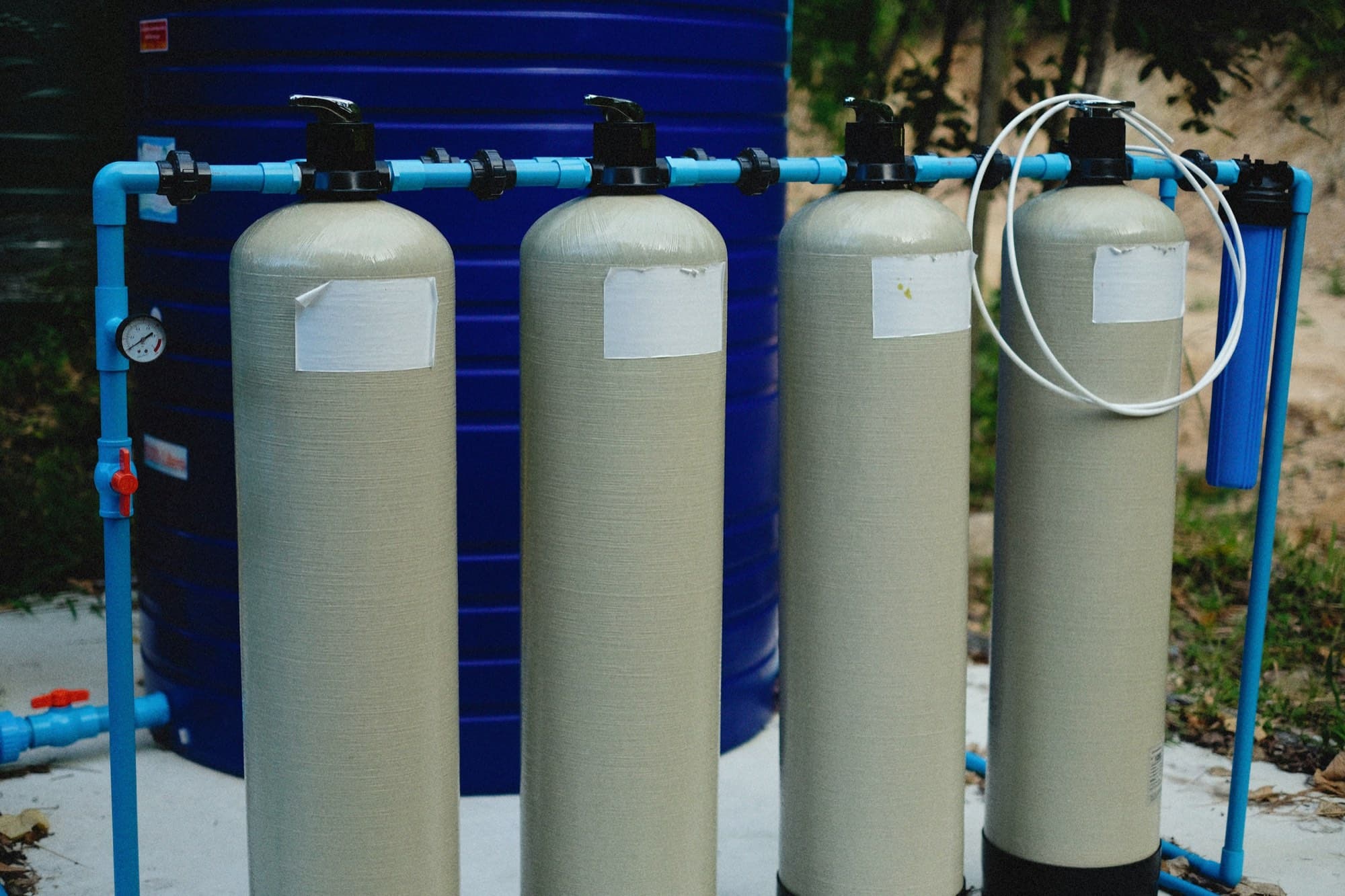
Parts we source for this industry
- 01Softener control valve bodies and pistons
- 02Injector nozzles and throats
- 03Filter housings, sumps, and caps
- 04Distributor tubes and baskets
- 05Brine valve floats and shutoffs
- 06Reverse osmosis membrane housings
- 07EPDM seals, spacers, and O-rings
- 08Stainless piston rods and springs
- 09Bypass valve bodies
- 10Stamped tank brackets and straps
- 11Molded faucet and drain adapters
- 12Brass fittings and quick-connects
How these parts are made
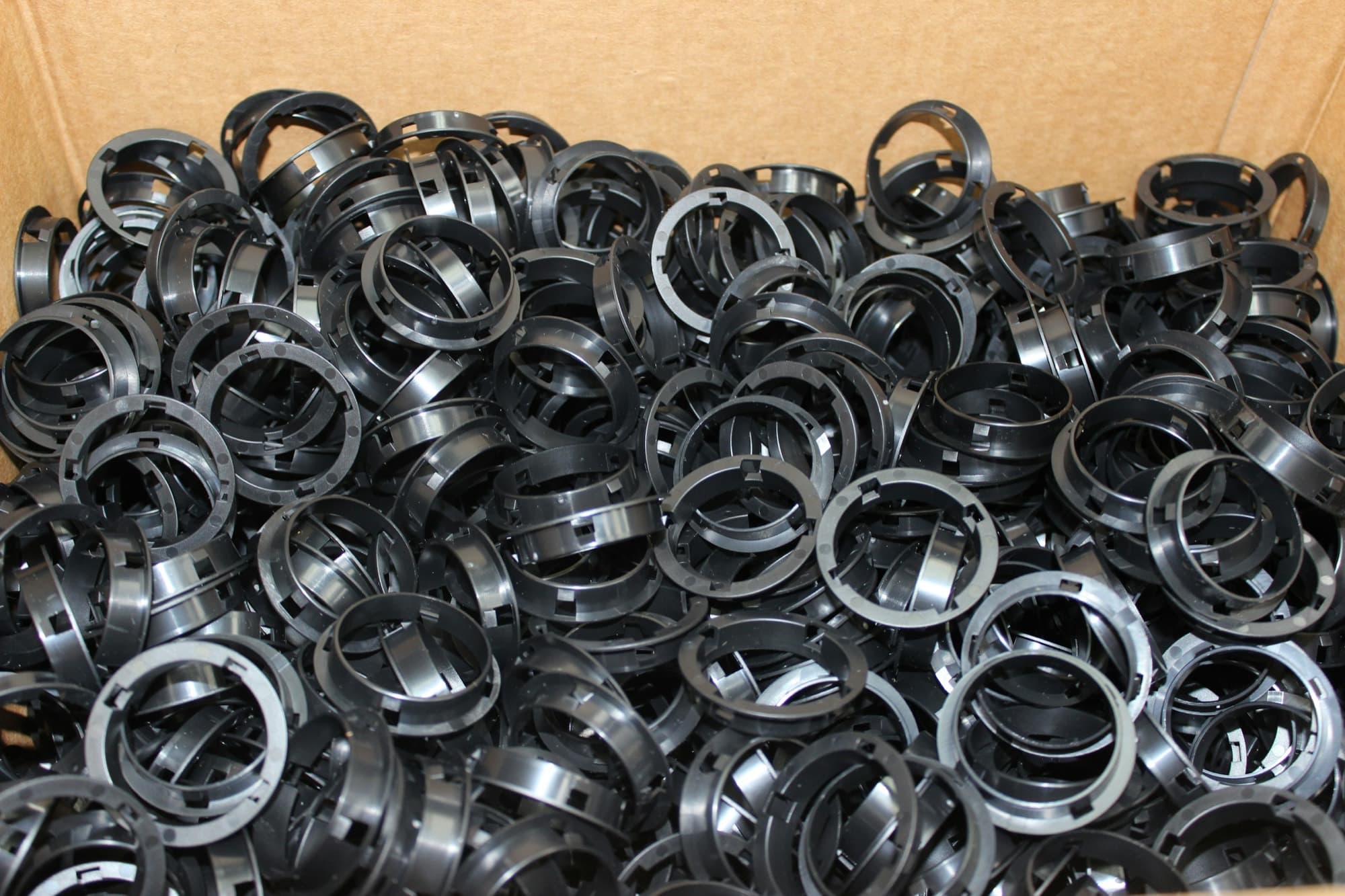 Injection molding
Molten thermoplastic injected into a steel or aluminum mold. Lowest piece price for plastic parts at 5,000+ a year.
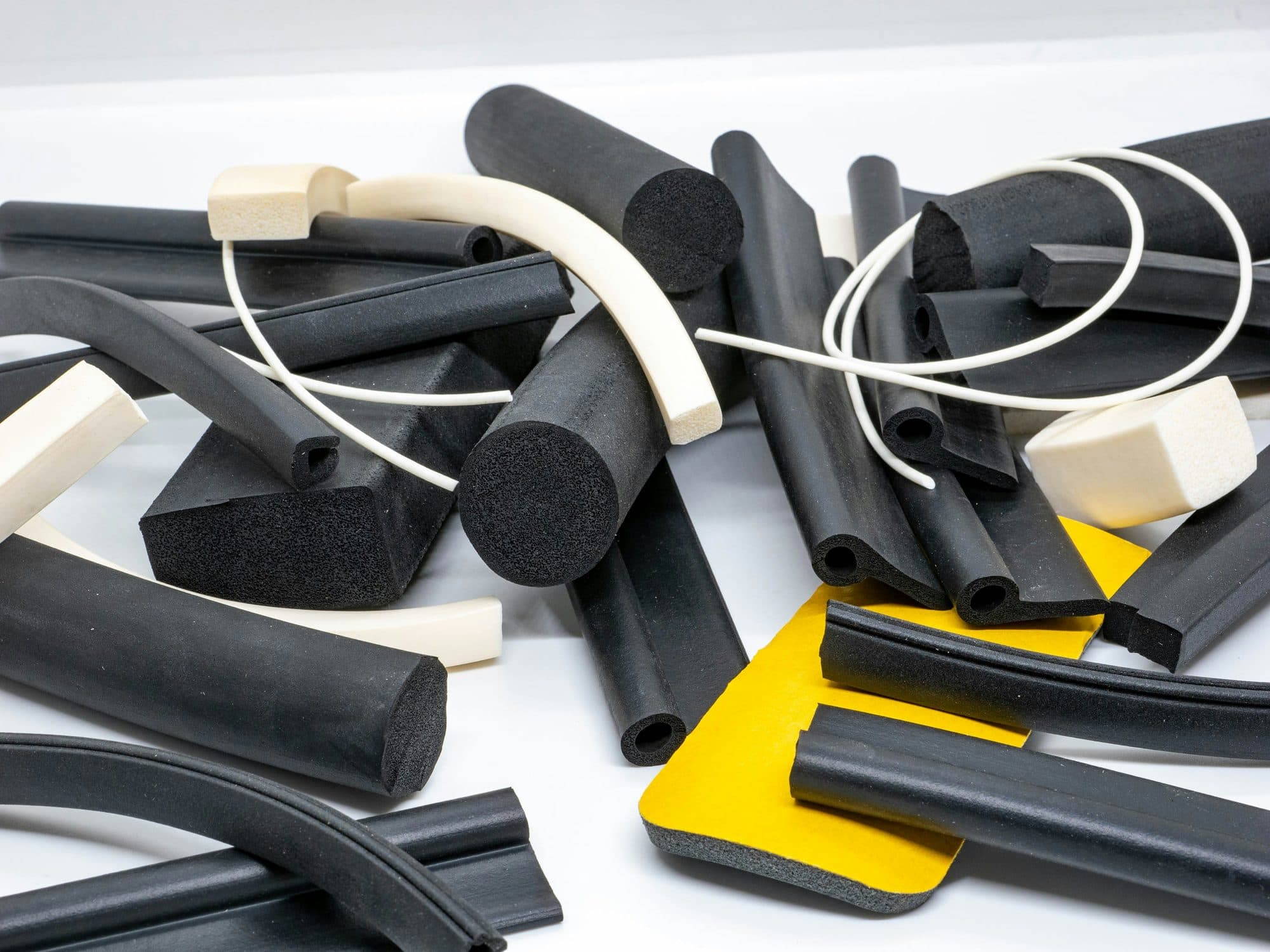 Rubber
Seals, gaskets, grommets, and profiles extruded or molded in EPDM, silicone, nitrile, neoprene, FKM, and TPE.
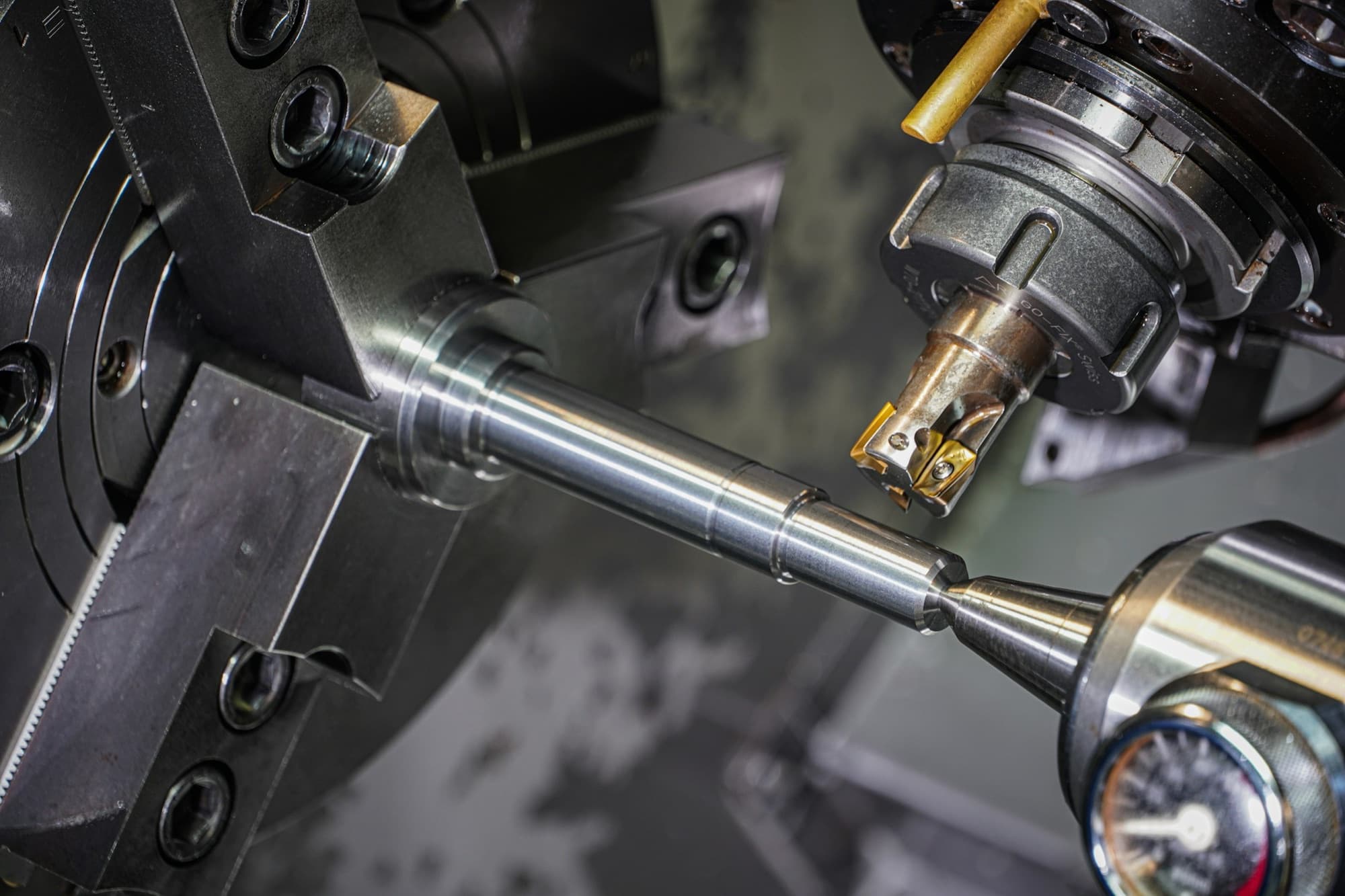 Screw machining
Turned pins, fittings, shafts, and bushings made from bar stock on multi-spindle and Swiss screw machines at volume.
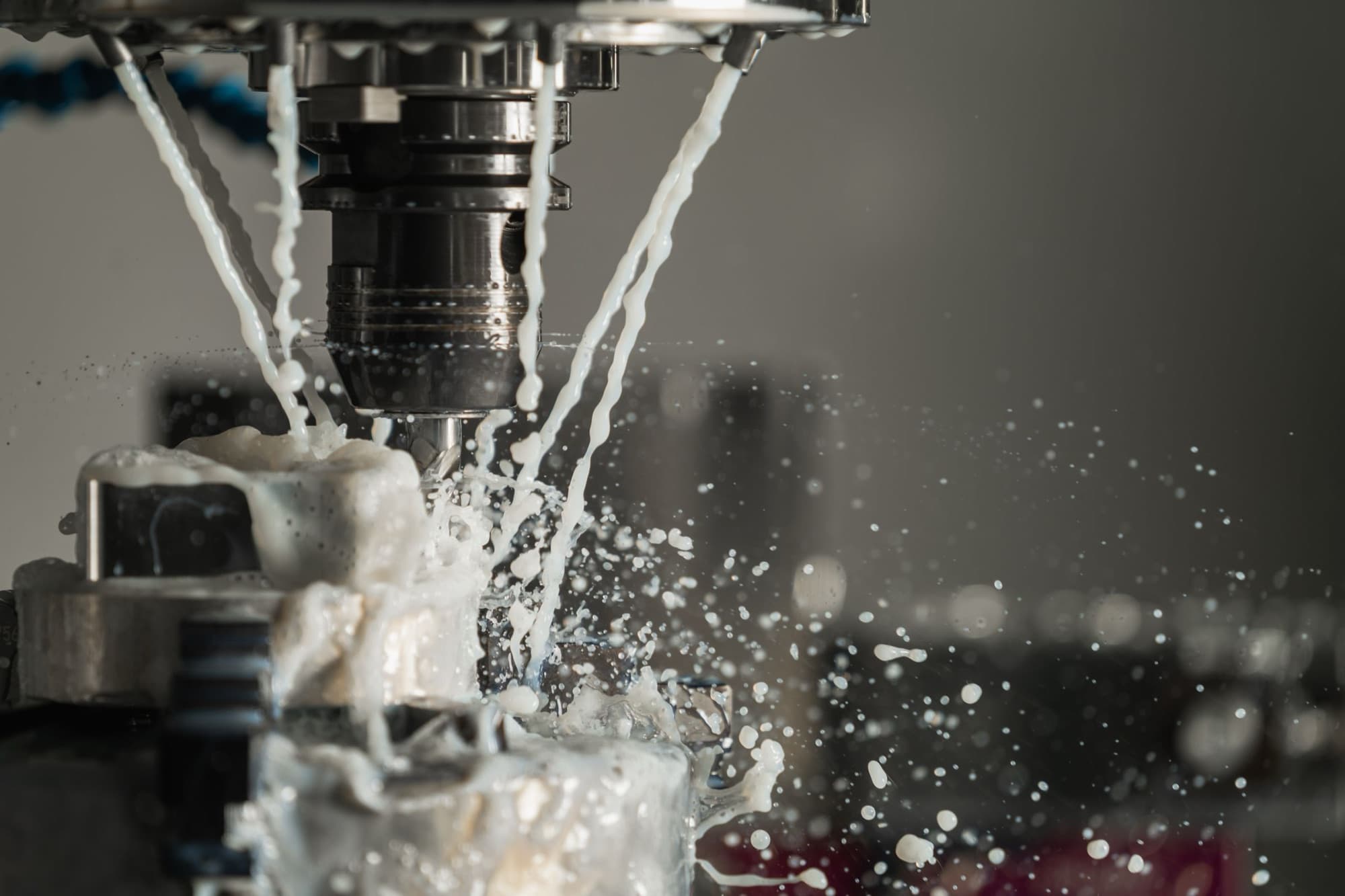 CNC machining
CNC milling, turning, and production sawing from bar, plate, castings, and forgings, from prototype to production.
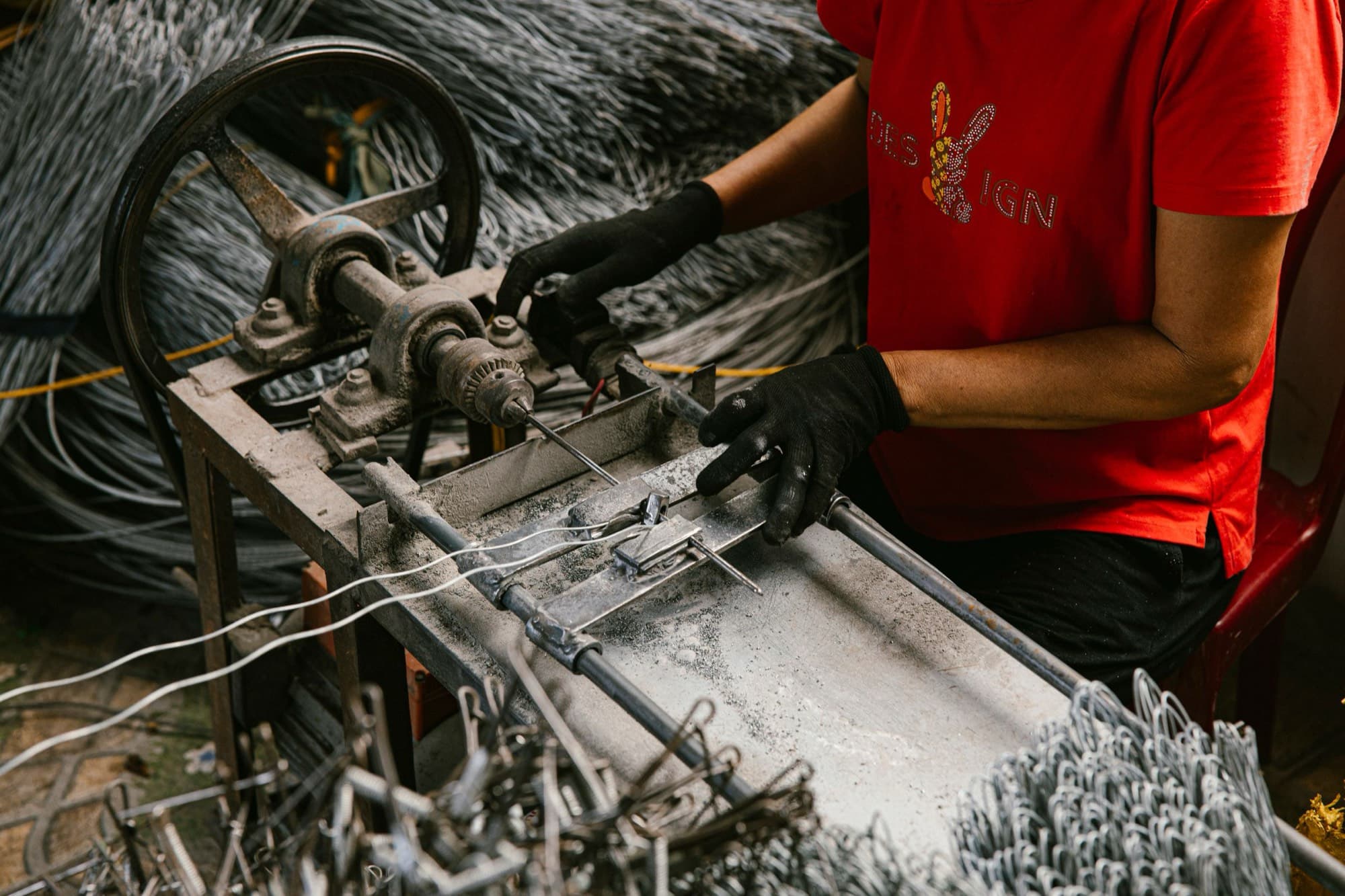 Springs & wire forms
Compression, extension, and torsion springs, wire forms, and fourslide clips made from round wire and flat strip.
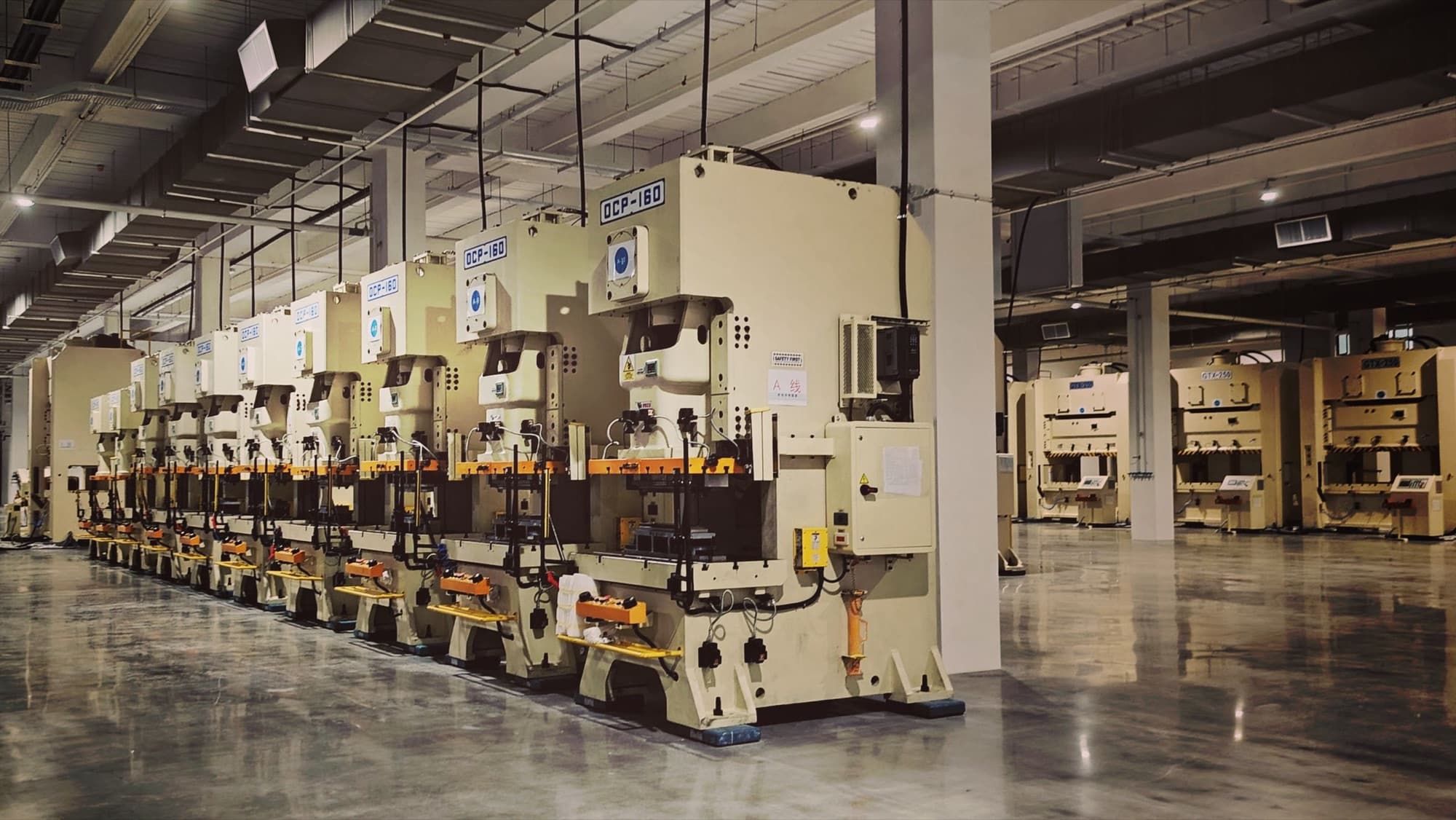 Stamping
Short- to medium-run stampings: brackets, clips, shields, and plates cut and formed from sheet or coil in a press.
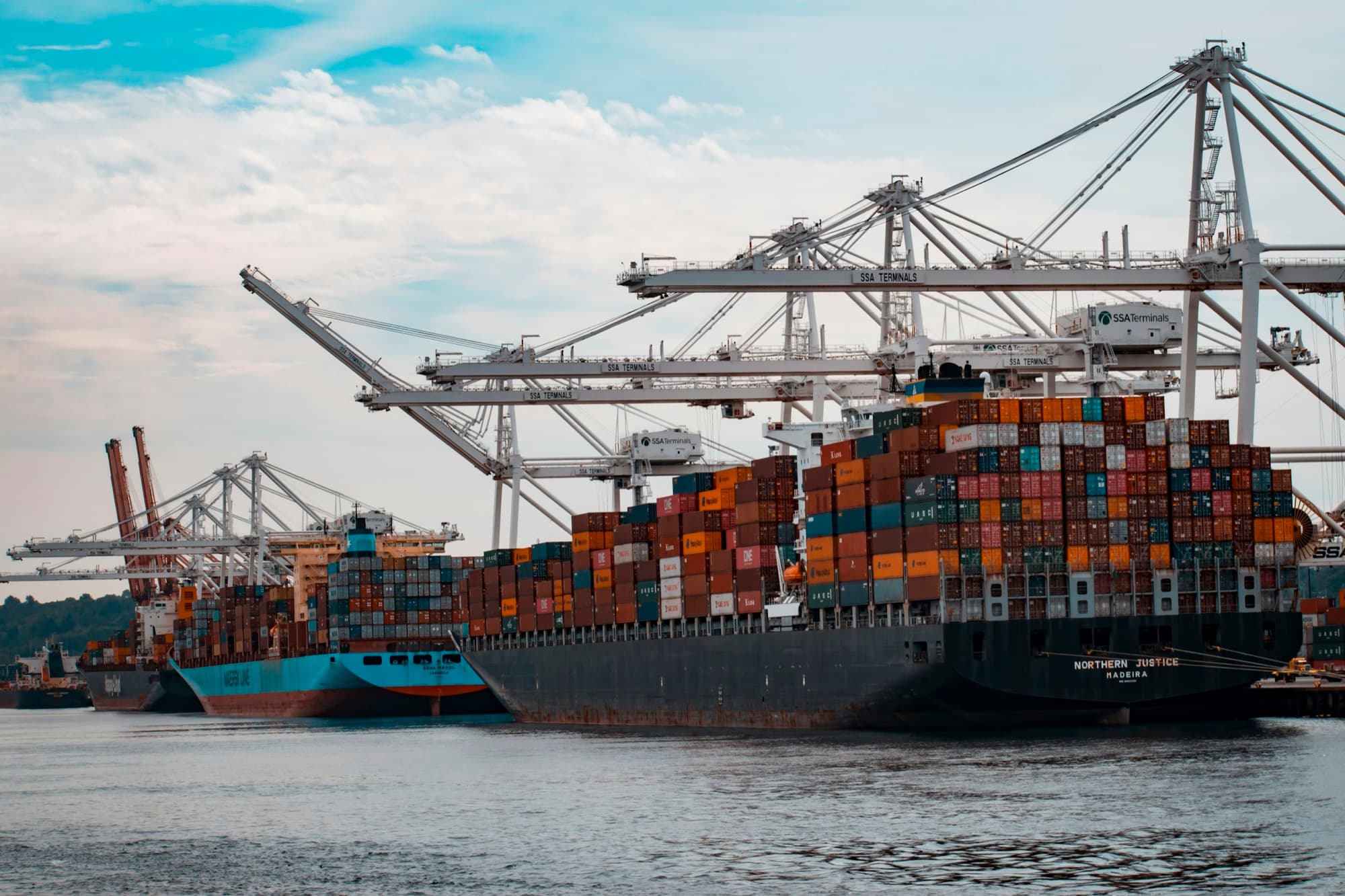 Offshore sourcing
Parts made by vetted overseas manufacturers, with landed-cost analysis, quality control, and logistics managed.
Which of these pays off at your quantity?
Parts per order
5 processes are at their best at this quantity, and 2 more can do it.
Drag to your quantity


What suppliers are held to
System standards
Softeners are certified to NSF/ANSI 44, aesthetic filters to NSF/ANSI 42, health-effects filters to NSF/ANSI 53, reverse osmosis systems to NSF/ANSI 58, and UV systems to NSF/ANSI 55. WQA also certifies products to these standards under its Gold Seal program.
Wetted materials
Resins, elastomers, and lubricants in contact with water must pass extraction testing, and components already listed to NSF/ANSI/CAN 61 and 372 simplify system certification. Lubricant and colorant changes need review.
Pressure performance
Pressure-bearing housings and valves go through hydrostatic burst and cyclic pressure testing under these standards, so knit lines, gate location, and wall thickness are reviewed before tooling.
Chlorine and chloramine
Municipal water carries chlorine or chloramine, which degrades some elastomers. Peroxide-cured EPDM is the usual seal choice, and nitrile is generally avoided for long-term wetted service.
Questions
Does every component need its own NSF listing?
No. The system is certified, but every wetted material must pass extraction testing. Using resins and components already listed to NSF/ANSI/CAN 61 lowers retest risk and speeds certification.
Which elastomers hold up to chloramine?
Peroxide-cured EPDM and FKM resist chloramine well. Nitrile and sulfur-cured EPDM degrade faster, swelling or cracking over time. Specify the compound, not just the polymer family.
Why are valve bodies often glass-filled plastic?
Glass fiber raises stiffness and creep resistance, so the body holds seal compression and thread engagement under constant line pressure. Glass-filled modified PPO and nylon are common, in grades listed for potable water.
Send us the part.
Build it or upload a drawing. A rep routes it to principals already making parts for this industry.