Loading page
Core line, represented 25+ years
How do fastener distributors source special and made-to-print parts?
Fastener distributors source specials, the parts their catalog lines don't cover, from screw machine, cold heading, stamping, and wire form shops, with certs and lot traceability their customers require. Quantities range from a few hundred pieces to blanket orders in the millions. SSG gives distributors one RFQ path to principals that make specials to print.
- Part families
- 12
- Processes
- 7
- Materials
- 10
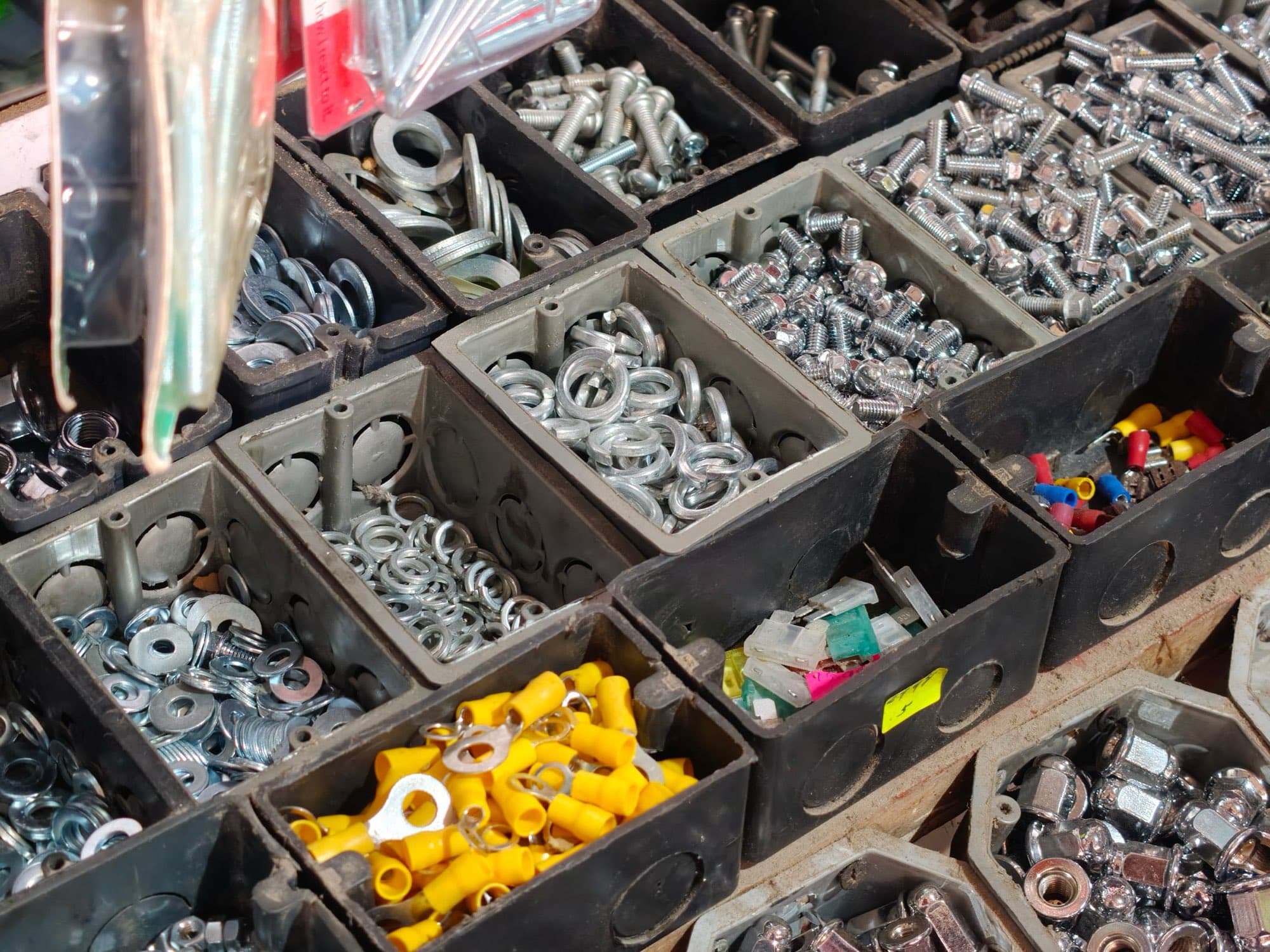
Parts we source for this industry
- 01Special shoulder bolts and studs
- 02Screw machined standoffs and spacers
- 03Clevis pins and hitch pins
- 04Hairpin cotters and R-clips
- 05Custom stamped washers and shims
- 06Brass threaded inserts
- 07Forged eye bolts
- 08Compression and extension springs
- 09Weld nuts and weld studs
- 10Wire forms and snap rings
- 11Cold headed rivets and pins
- 12Molded nylon clips and grommets
How these parts are made
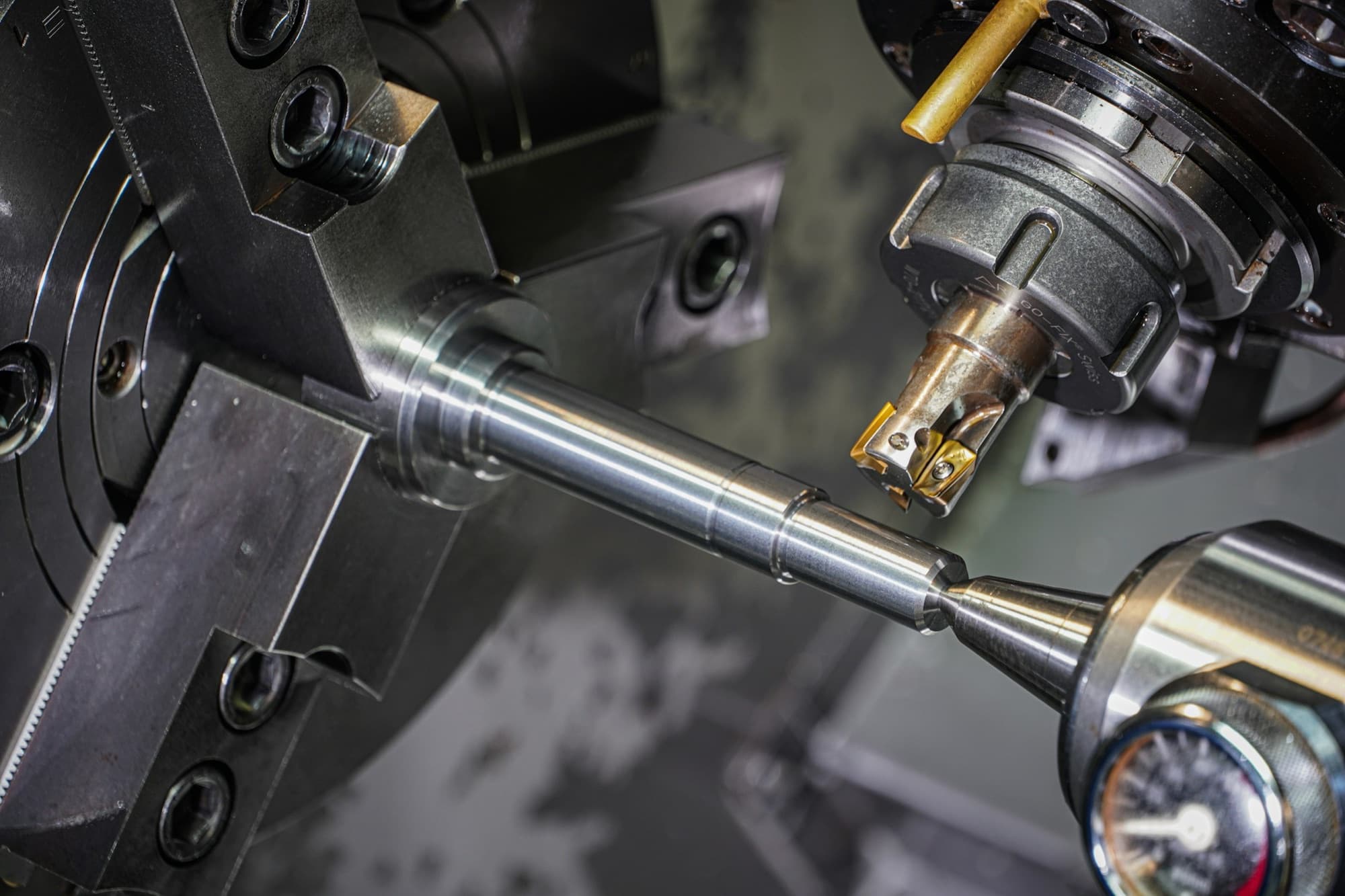 Screw machining
Turned pins, fittings, shafts, and bushings made from bar stock on multi-spindle and Swiss screw machines at volume.
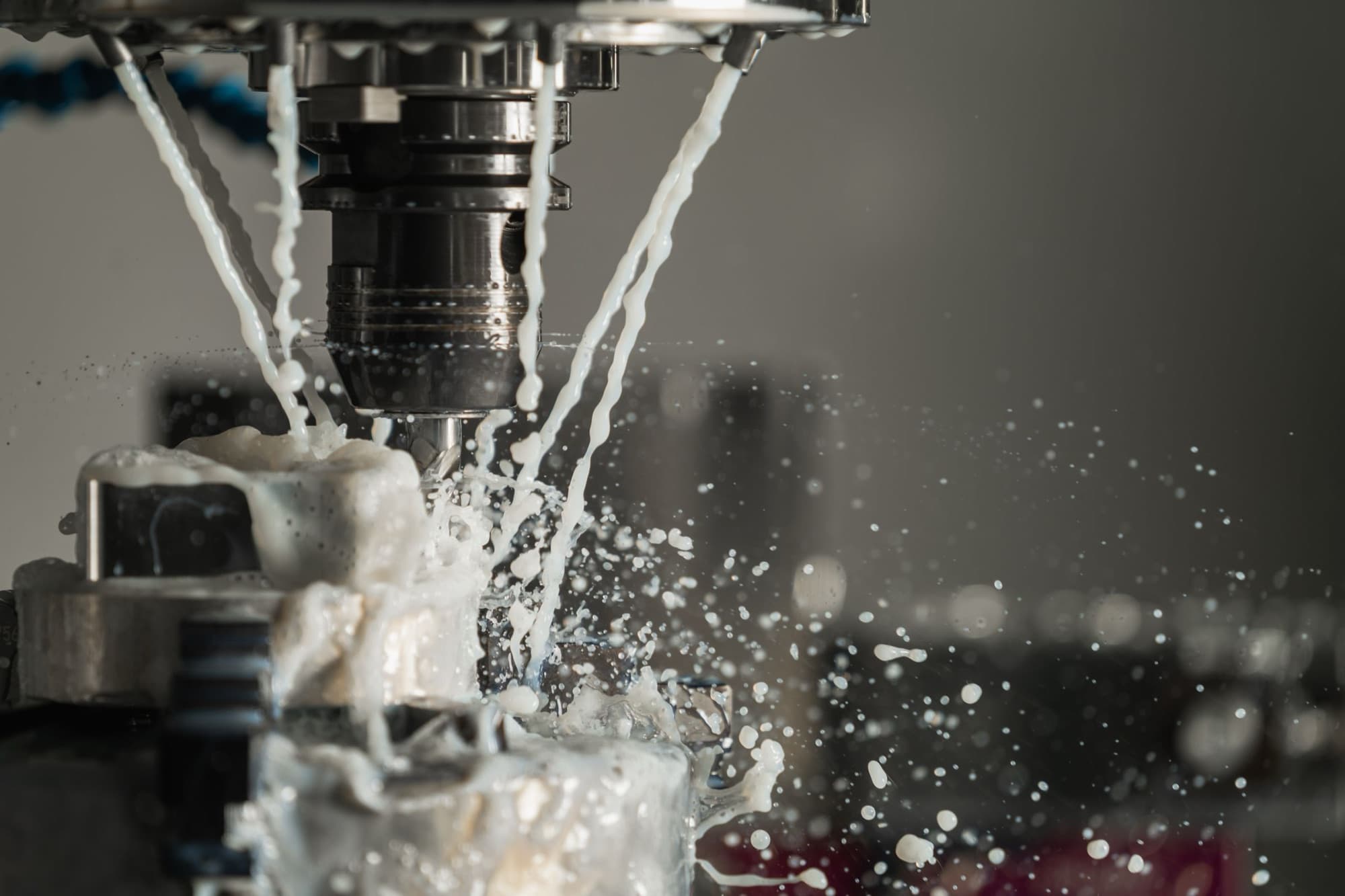 CNC machining
CNC milling, turning, and production sawing from bar, plate, castings, and forgings, from prototype to production.
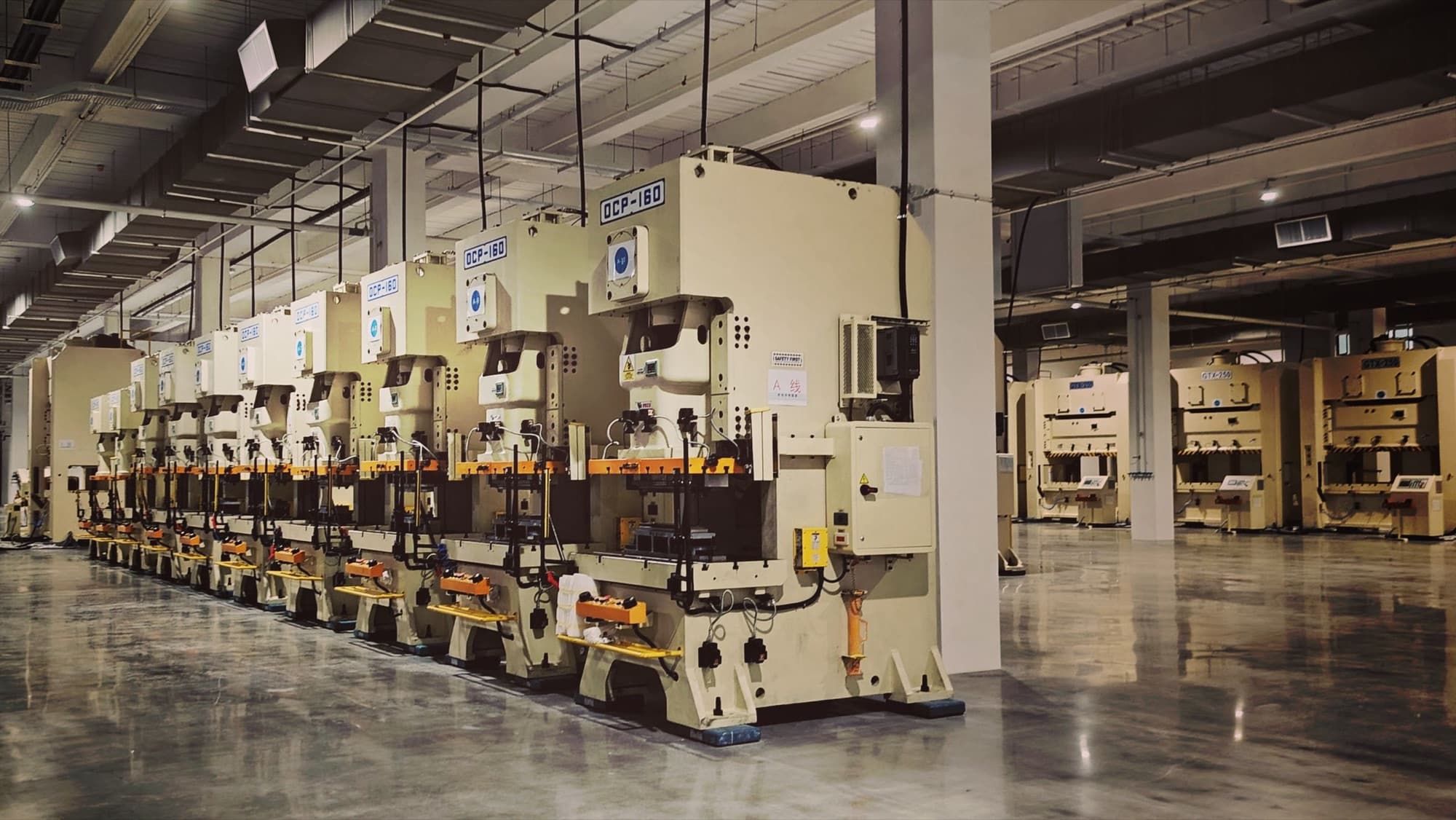 Stamping
Short- to medium-run stampings: brackets, clips, shields, and plates cut and formed from sheet or coil in a press.
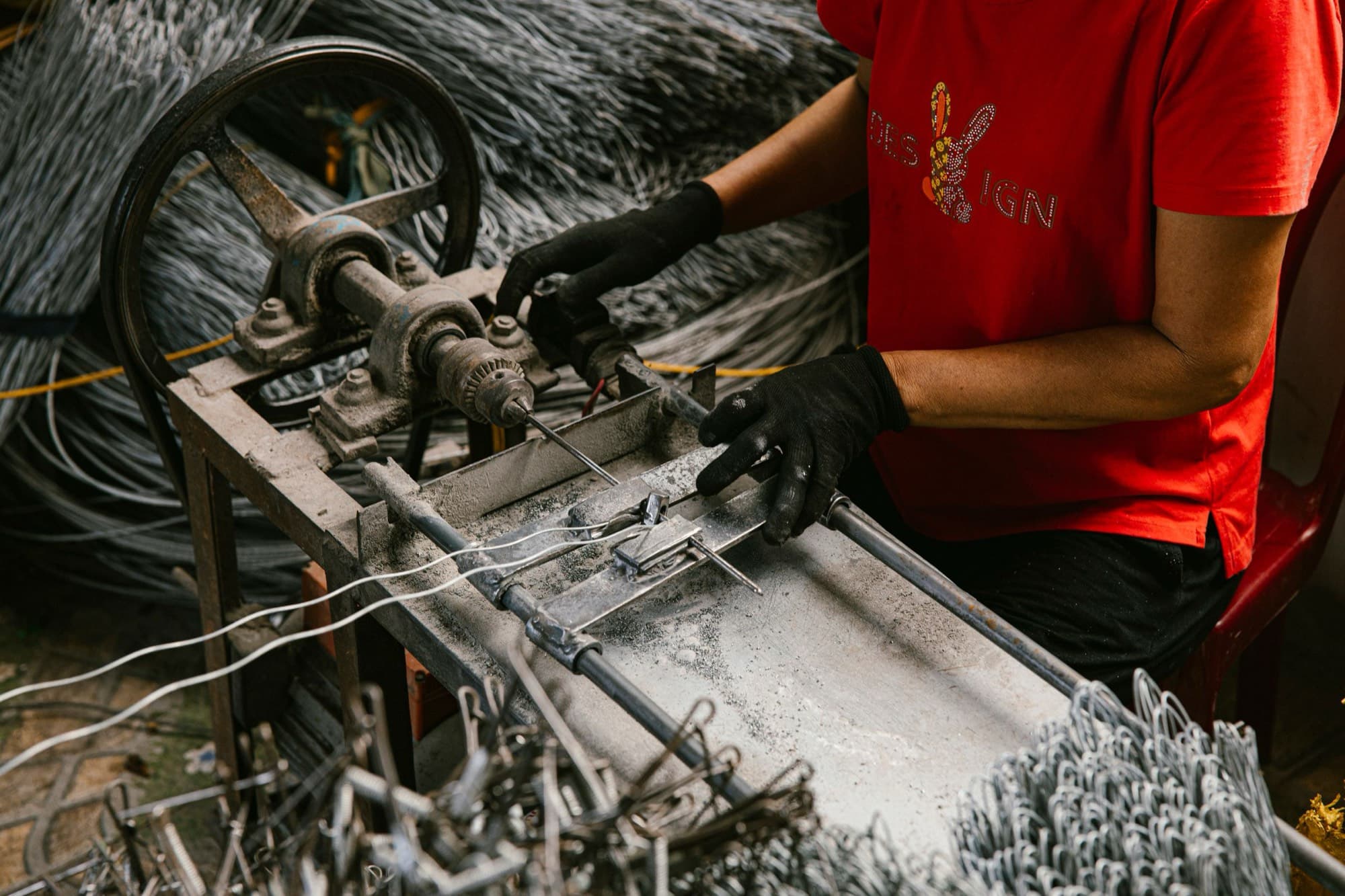 Springs & wire forms
Compression, extension, and torsion springs, wire forms, and fourslide clips made from round wire and flat strip.
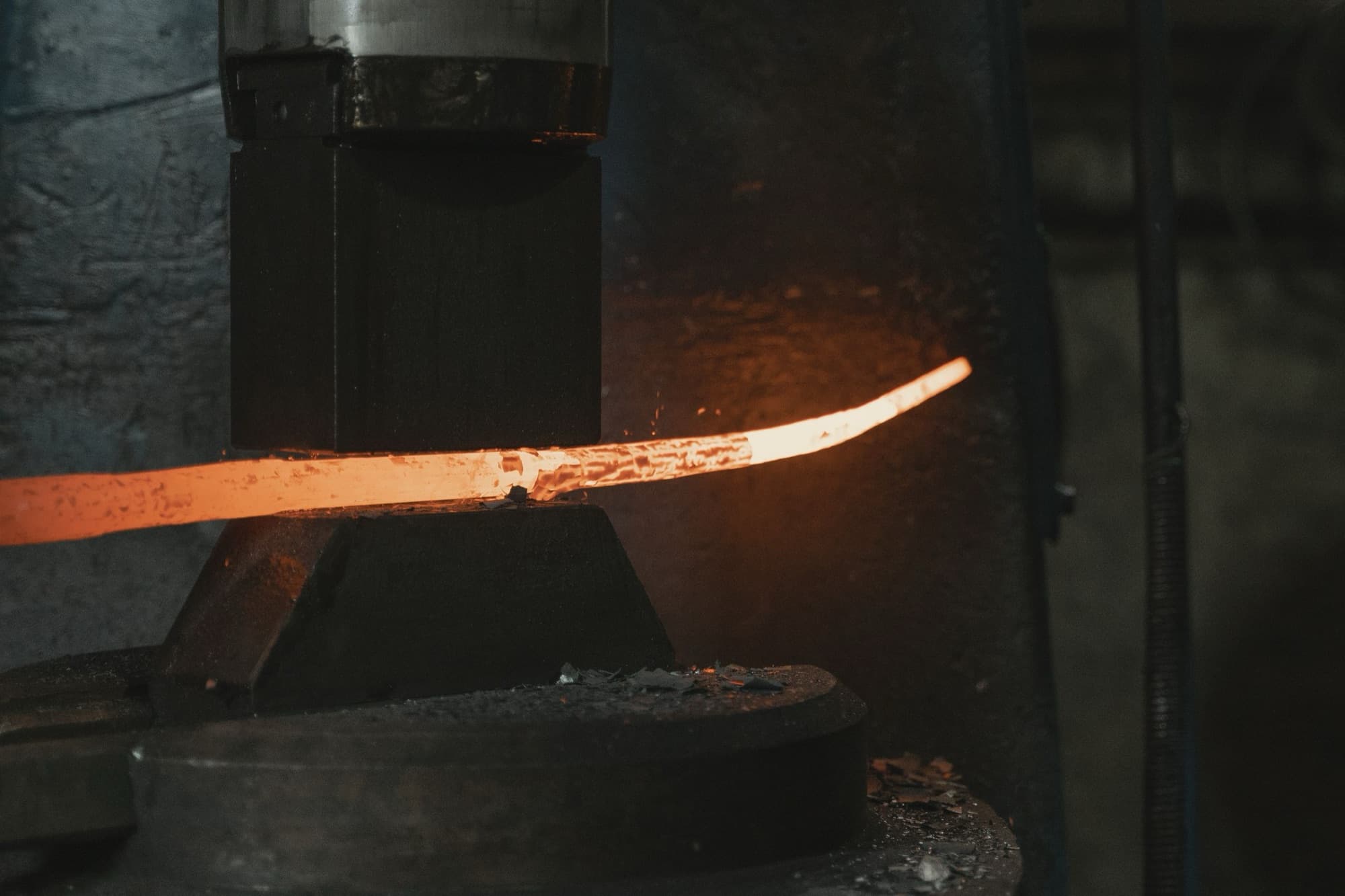 Forging
Closed-die and open-die forgings in carbon, alloy, and stainless steel and aluminum, with grain flow for strength.
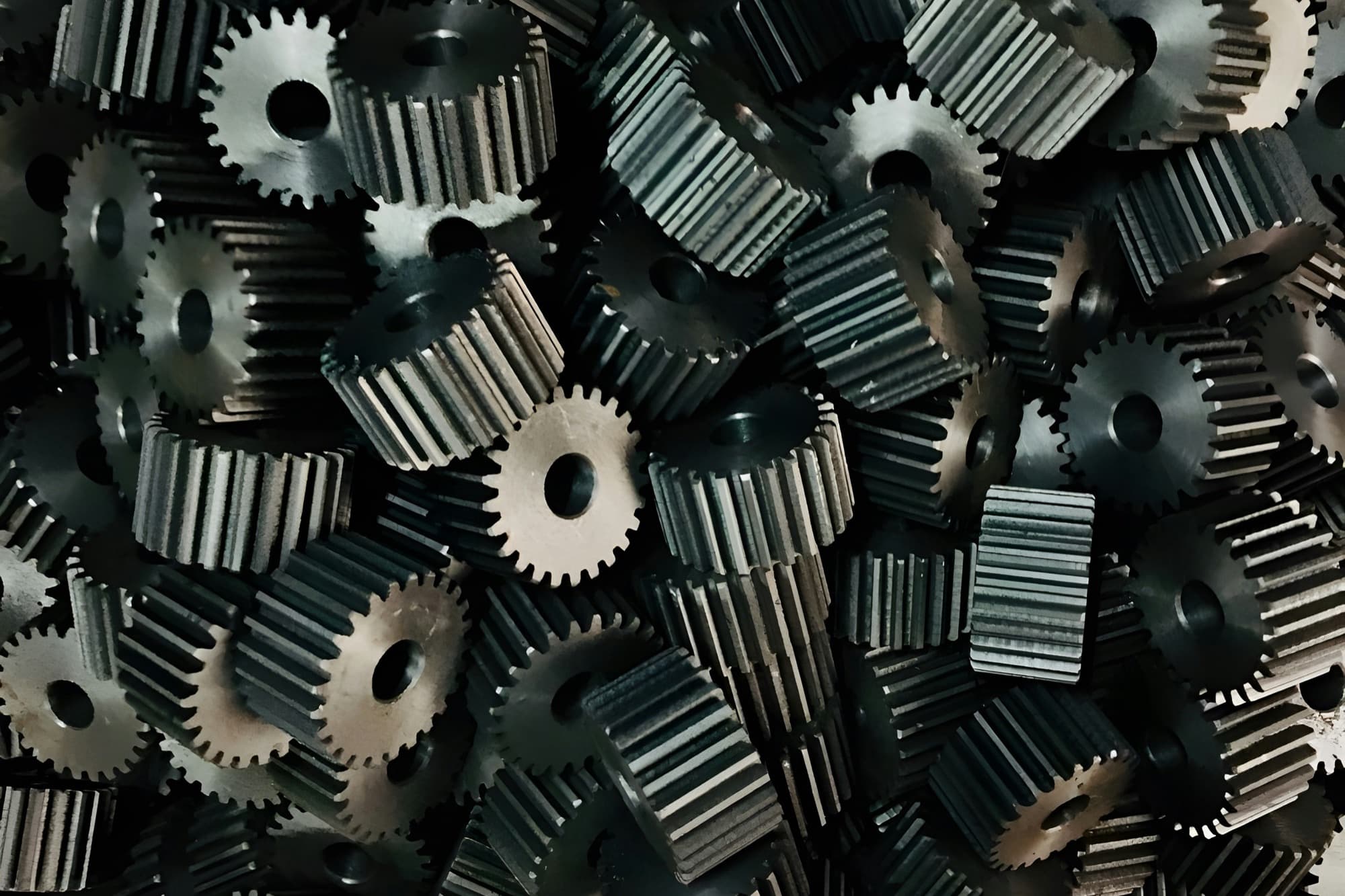 Powdered metal
Net-shape gears, bushings, and structural parts pressed from metal powder and sintered, with little or no machining.
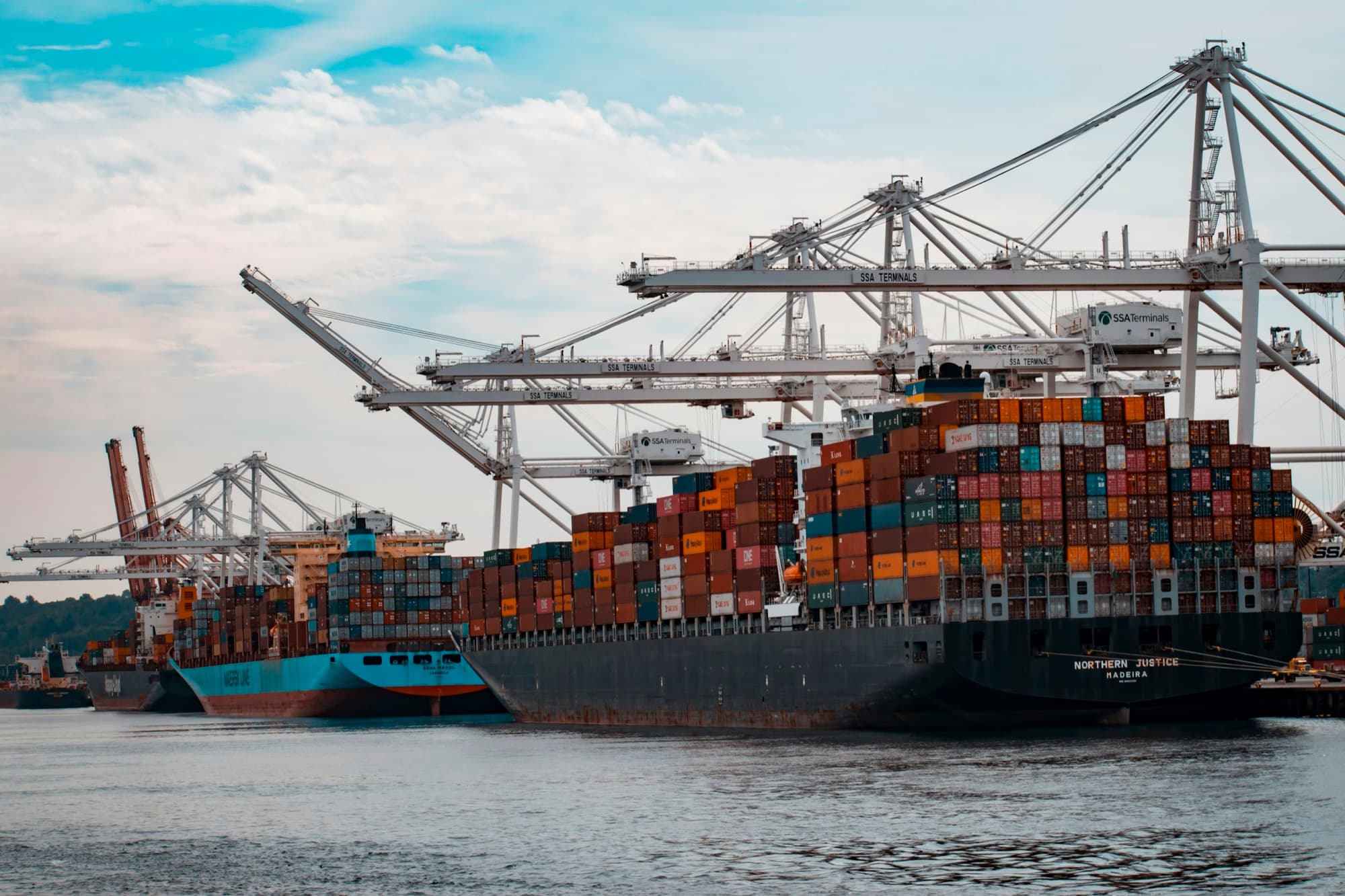 Offshore sourcing
Parts made by vetted overseas manufacturers, with landed-cost analysis, quality control, and logistics managed.
Which of these pays off at your quantity?
Parts per order
5 processes are at their best at this quantity, and 2 more can do it.
Drag to your quantity


What suppliers are held to
Grade standards and markings
Specials are built to the grade they claim: SAE J429 Grades 2, 5, and 8, ISO 898-1 property classes such as 8.8 and 10.9, ASTM F3125 structural bolts, and ASTM F593 stainless. Grade and manufacturer head markings are applied where the standard calls for them.
Lot traceability
Distributors expect mill certs, chemical and mechanical test reports, and lot numbers that tie each shipment to a heat of material. The Fastener Quality Act and ASME B18.18 set the framework for many industrial fasteners.
Plating and embrittlement
Electroplated coatings on fasteners follow ASTM F1941, and hardened parts need hydrogen embrittlement relief baking after plating. The bake belongs on the cert.
DFARS and origin
Defense programs often require specialty metals compliant with DFARS 252.225-7009, with melt-source documentation. Country of origin marking and correct HTS classification, heading 7318 for steel screws and bolts, are the importer's responsibility.
Questions
What paperwork should come with a special fastener?
At minimum, a certificate of conformance, material certs with heat number, and dimensional inspection results. Add mechanical test results for graded parts, plating certs with bake records for hardened parts, and DFARS or country-of-origin statements when the customer requires them.
Cold heading or screw machining for a special?
Cold heading for high volumes, usually tens of thousands and up, of headed parts like bolts and rivets. It wastes almost no material and work hardens the part. Screw machining suits lower volumes, complex turned profiles, and parts larger than a header's capacity.
Can specials be made in small lots?
Yes, with realistic expectations. Setup and material minimums push the price of runs under a few hundred pieces up sharply. Blanket orders with scheduled releases usually earn a better price than several small spot buys.
Send us the part.
Build it or upload a drawing. A rep routes it to principals already making parts for this industry.